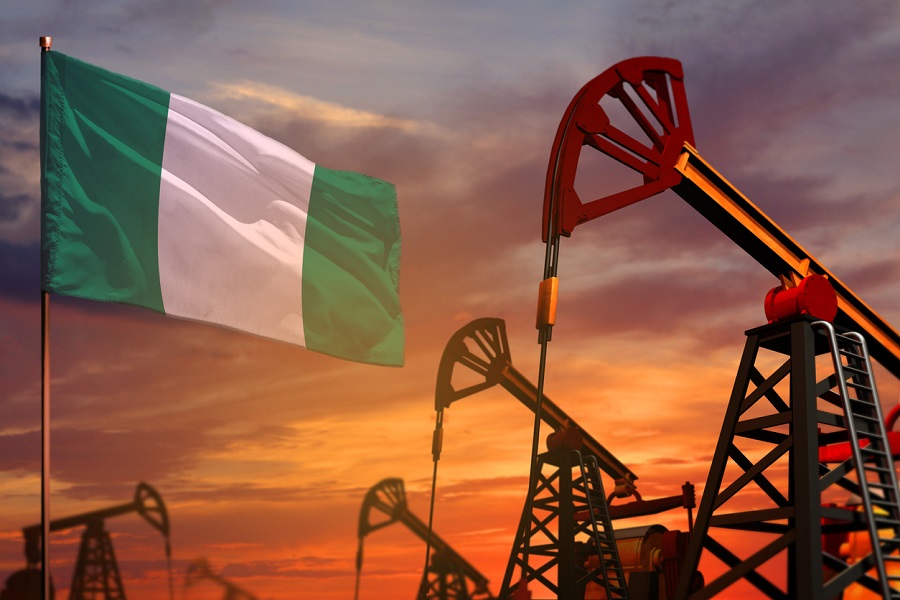
The Organization of the Petroleum Exporting Countries and its allies (OPEC+) is set to approve a significant production increase of 548,000 barrels per day (bpd) for September at its August 3, 2025, virtual meeting, according to Bloomberg. This move, part of a plan to fully restore 2.2 million bpd cut in 2023, could further depress global oil prices, posing challenges for Nigeria’s oil-dependent economy.
Brent crude futures, trading near $69 per barrel on July 28, have fallen 7% in 2025, pressured by OPEC+’s supply increases, slowing demand from China, and robust U.S. production. The anticipated hike, which includes an additional 300,000 bpd for the UAE, follows a year of unexpected output boosts despite earlier predictions of supply constraints. Strong summer demand and tight diesel markets have partially offset price declines, but analysts warn of potential oversupply risks if global demand weakens.
For Nigeria, a key OPEC member, the production surge threatens revenue stability. The country’s crude oil output rose to 1.505 million bpd in June 2025, per OPEC’s Monthly Oil Market Report, yet it struggles to meet its 1.5 million bpd quota. Nigeria is pushing for a 25% quota increase to 2 million bpd by 2027, but declining oil prices could strain its fiscal position. The naira, trading at approximately N1,529/$ on July 29, 2025, based on X posts, faces further pressure from potential oil revenue shortfalls, following a 73% drop in exchange rate gains to N589.45 billion in H1 2025, as reported by the Federation Account Allocation Committee.
OPEC+’s Joint Ministerial Monitoring Committee will assess market conditions on July 29, though its findings will not influence the August 3 decision. The group may pause additional cuts of 1.66 million bpd, scheduled to remain until 2026, to monitor demand trends. Nigeria, reliant on oil for over 80% of its export earnings, must navigate this volatility to achieve its $1 trillion economy goal by 2030. Analysts urge diversification and enhanced production capacity to mitigate risks from global oil market shifts.