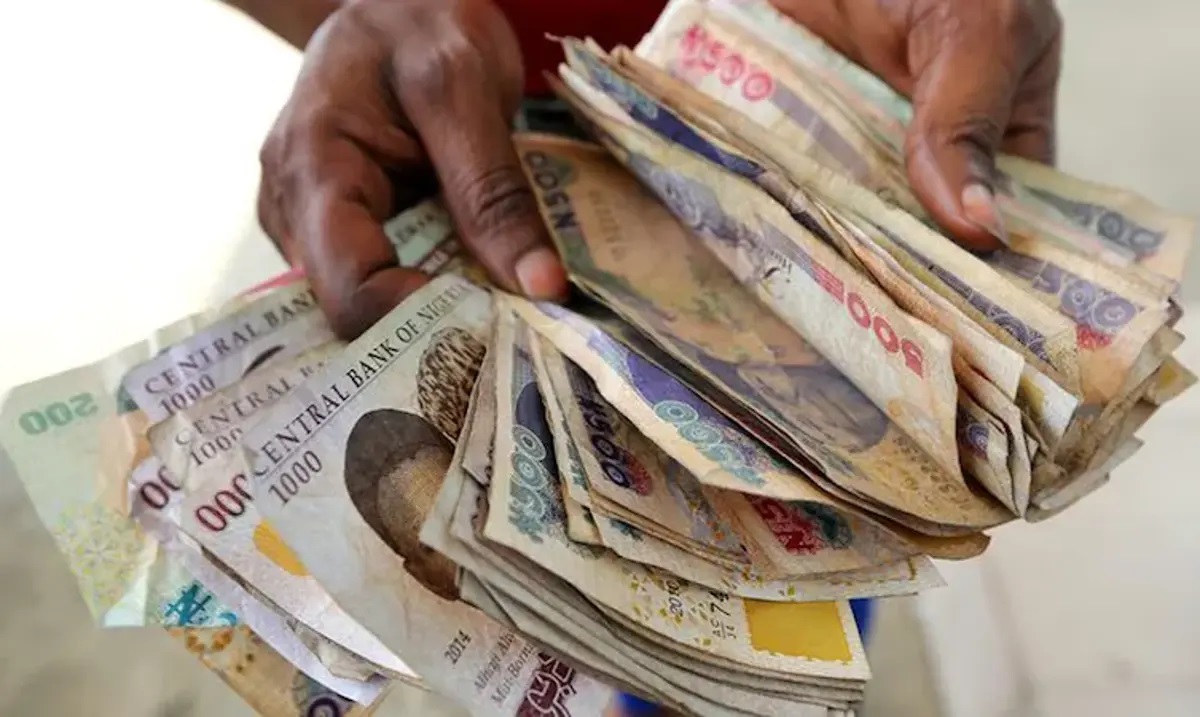
The naira has shown significant strength, appreciating to N1,535 per dollar in the parallel market on July 29, 2025, from N1,580 on July 1, driven by an oversupply of dollars and intensified efforts by security agencies to curb forex speculation and hoarding, according to currency traders. The stability in Nigeria’s foreign exchange (forex) market reflects the Central Bank of Nigeria’s (CBN) effective policy reforms, increased fiscal discipline, and growing investor confidence.
Aminu Gwadebe, President of the Association of Bureau De Change Operators (ABCON), told Nairametrics that the forex market has stabilized due to supply outstripping demand, alongside CBN’s proactive measures, commodity price stability, and the cessation of ways and means financing. “The naira’s strength stems from higher foreign inflows, improved balance of payments, and collaborative efforts among regulators, security agencies like the EFCC and NFIU, and market operators,” Gwadebe said. He highlighted that reduced speculation and hoarding, driven by security interventions, have bolstered the naira’s value.
The CBN’s reforms, including lifting restrictions on 41 items accessing forex in the official market and introducing financial products for diaspora remittances, have enhanced liquidity. These measures have narrowed the exchange rate gap between the official Nigerian Foreign Exchange Market (NFEM) and the parallel market to just N2, with the naira at N1,537/$ in the official market and N1,535/$ in the parallel market. This convergence has reduced arbitrage opportunities, stabilizing the system.
A Lagos-based BDC operator, Abubakar, noted a surge in dollar supply, stating, “People no longer see the need to hoard dollars, and some are wary of speculative holding due to enforcement actions.” Another anonymous trader credited positive economic projections from agencies like Fitch and Moody’s, noting the parallel market’s recent outperformance over the official market.
The CBN’s injection of $360 million into the market through authorized dealers has further supported the naira, alongside rising external reserves, which grew by $422 million to $37.822 billion. These reforms have also revitalized naira-denominated bonds, which gained 8.6% in July, topping Bloomberg’s EM Local Currency Government Universal Index. With inflation dropping to 22.2% in June and currency volatility falling from 23% to 4.6%, Nigeria’s forex market is witnessing renewed optimism, fostering capital inflows and economic stability.