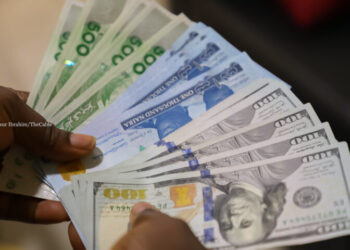
The Nigerian naira traded with relative stability in the official foreign exchange market during the first half of the week, settling at N1,361 per US dollar.
According to market updates, the local currency showed limited movement against the greenback, reflecting the Central Bank of Nigeria’s (CBN) continued active intervention to maintain order in the FX space. These interventions, including direct dollar sales to Bureaux De Change (BDCs) and authorised dealers, have helped contain volatility in recent sessions.
Strong Reserves Back Currency Stability
Nigeria’s external reserves, which have risen to around $50 billion, continue to provide solid support for the naira. The current level offers nearly nine months of import cover, strengthening the CBN’s ability to defend the currency and discourage speculative activities.
The Cash Reserve Ratio (CRR) remains at 45%, helping to sterilise excess naira liquidity, while the Monetary Policy Committee (MPC) maintains a tight monetary stance to keep inflationary pressures in check.
Dollar Strengthened by US Economic Data
The US dollar remained firm globally after stronger-than-expected US jobs data. Nonfarm Payrolls came in at 172,000, nearly double the forecasted 85,000, reducing expectations of aggressive rate cuts by the Federal Reserve.
This development supported the US Dollar Index (DXY), which hovered near 99.8 and showed potential to retest the 100 level, especially with upcoming inflation data.
Market Dynamics
Despite corporate demand continuing to exert some pressure in the parallel market, the official window has remained relatively stable. Analysts note that the sustainability of the current equilibrium will depend on consistent oil revenues, sustained CBN interventions, and the ability to attract portfolio inflows into naira assets.
While the naira has shown resilience in recent weeks, market participants will be closely monitoring global oil prices, US monetary policy decisions, and domestic liquidity conditions for direction in the coming sessions.