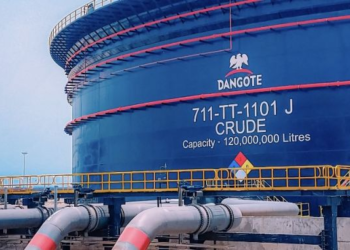
Petrol is selling for as much as ₦1,370 per litre in Lagos after a fresh round of depot price increases forced major filling stations to raise pump rates.
Market checks showed NNPC and MRS stations charging ₦1,360 per litre for Premium Motor Spirit, while Mobil offered ₦1,349. Independent marketers were selling between ₦1,365 and ₦1,370, depending on location. Marketers say higher wholesale costs, together with transport and operating expenses, are driving the adjustments.
Lagos Depots Push Prices Higher
Several Lagos depots raised their rates. A.A. Rano increased petrol by ₦75 to ₦1,295 per litre. African Terminal, Aiteo and Integrated moved to about ₦1,300. NIPCO raised its price by ₦55 to ₦1,305. Dangote Refinery added a smaller ₦3, taking its gantry price to ₦1,303. MRS held its depot price at ₦1,310.
The pattern points to sustained pressure in the downstream market as operators pass on higher supply costs before product reaches the pump.
Port Harcourt, Warri and Calabar
Outside Lagos, Matrix in Port Harcourt raised petrol by ₦15 to ₦1,300, while Bulk Strategic, Masters and T.S.L stayed at ₦1,300. In Warri, A.Y.M. Shafa and Matrix each increased by ₦17 to ₦1,300, and Parker added ₦15 to the same level. In Calabar, Fynefield and Northwest listed petrol at ₦1,360.
Diesel Moves the Other Way
Diesel prices eased at several depots even as petrol climbed. In Lagos, WOSBAB cut diesel by ₦21 to ₦1,809, Bulk Strategic lowered its rate by ₦15 to ₦1,835, and Rain Oil and Dangote Refinery adjusted down to ₦1,850 and ₦1,823. In Warri, Matrix and Rain Oil each reduced diesel by ₦5 to ₦1,835, while Edo Refinery, NIPCO and Prudent held at ₦1,840.
Dangote’s Recent Moves
Dangote Petroleum Refinery had lifted its petrol gantry price to ₦1,300 on 3 November from ₦1,215, reversing two earlier cuts. The latest modest increase to ₦1,303 keeps the refinery close to other major wholesale quotes in Lagos.
What It Means for Consumers
The split between rising petrol and softer diesel underscores how volatile Nigeria’s downstream market remains. For motorists and households, higher petrol prices mean more expensive transport and further strain on budgets. Further pump adjustments are possible as filling stations continue to respond to changing depot costs.