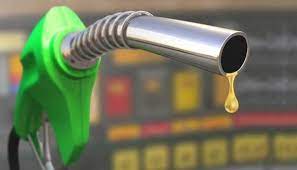
Petrol attendants across Nigeria are increasingly manipulating fuel pumps to shortchange consumers, costing the nation millions of liters of Premium Motor Spirit (PMS) annually, according to Financial Vanguard investigations. With daily petrol consumption at 50 million liters, as reported by the Nigerian Midstream and Downstream Petroleum Regulatory Authority (NMDPRA), the lack of regulatory oversight has allowed sharp practices to flourish at filling stations.
Checks revealed that NMDPRA rarely inspects stations to ensure compliance with dispensing standards, enabling attendants to exploit consumers through pump tampering. Low wages, often as little as N20,000 monthly, and economic hardship drive attendants to engage in these practices. In Lagos, motorist Badmus Samami recounted being charged N22,000 for N20,000 worth of petrol at a station in Iyana Isolo. After insisting on a receipt, which the attendant claimed was unavailable due to a lack of printing paper, he discovered the overcharge, which was attributed to an “error” amid distractions.
In Uyo, Akwa Ibom, keke rider Etim Ufot noted that cheating intensifies during fuel scarcity, prompting riders to use one-liter jars to verify quantities. He avoids stations known for under-dispensing, which lose customers as a result. At Udofot Petroleum, a liter was sold accurately at N900, with the attendant, Joy, affirming strict adherence to regulations. An NNPC station in Uyo sold a liter for N890, maintaining compliance.
In Calabar, Cross River, tests at Uddy King and Agims stations exposed inconsistencies. At Uddy King, pump 9 dispensed 1.13 liters to fill a one-liter container, blamed on power issues affecting calibration. The manager claimed pumps are shut down if variations exceed 0.5 liters. At Agims, attendants insisted a one-liter container was overcapacity when it wasn’t filled, despite payment for a full liter.
The findings highlight a systemic issue, with motorists like John Theophilus in Lagos using jerry cans to counter under-dispensing. The NMDPRA’s limited personnel and absence from stations exacerbate the problem, leaving consumers vulnerable. As fuel prices hover around N890–N900 per liter, calls are growing for stricter oversight to protect Nigerians from exploitation at the pump.