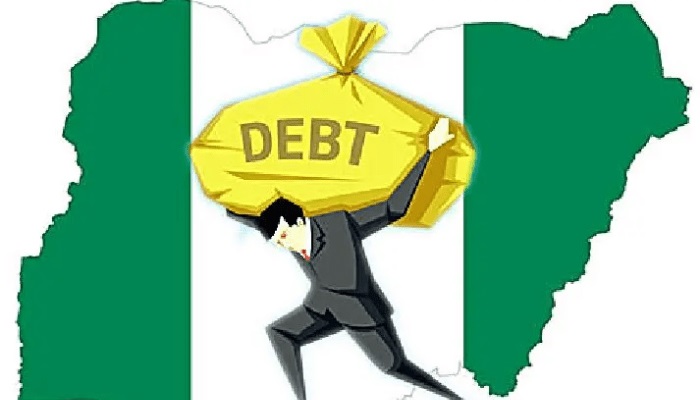
Nigeria’s fiscal management has been under scrutiny in recent years, and concerns about the country’s rising debt levels have been at the forefront of economic discussions. In the first quarter of 2023, the Federal Government borrowed a staggering N1.83tn from the Central Bank of Nigeria (CBN) through Ways and Means Advances, further exacerbating the nation’s debt burden. This financial article aims to delve into the implications of this substantial borrowing, the role of the CBN, the potential consequences for the economy, and the measures that need to be taken to address the mounting debt crisis.
Understanding Ways and Means Advances
The Ways and Means Advances facility is a tool used by central banks around the world to assist governments in managing temporary budgetary shortfalls. The CBN, being the central bank of Nigeria, extends such loans to the Federal Government when it faces temporary deficiencies in budget revenue. This mechanism is designed to provide liquidity support during financial emergencies, enabling the government to meet its immediate financial obligations without resorting to external borrowing or resorting to printing more money, which could lead to inflation.
The provision for Ways and Means Advances is outlined in Section 38 of the CBN Act of 2007, which allows the central bank to grant temporary advances to the Federal Government at its discretion and subject to the imposition of interest rates. However, this facility is not intended to be a long-term solution to budgetary issues, and its use should be within specific limits set by law to prevent excessive monetary financing.
Rising Borrowings and Escalating Debt
The recent data from the CBN’s quarterly statistical bulletin shows alarming trends in Nigeria’s borrowing pattern. The Federal Government’s borrowing from the CBN soared from N23.53tn in December 2022 to N25.36tn in March 2023. This indicates a significant increase in debt over a short period, raising concerns among economists, financial experts, and citizens alike.
The escalating debt burden can be attributed to various factors, including declining revenue from oil exports, limited tax collection efficiency, and the government’s persistent budget deficits. The need to fund critical infrastructure projects, social programs, and other expenditures has put immense pressure on the government’s finances, leading to increased reliance on borrowing, including from the CBN.
Potential Implications of Excessive Borrowing
1. Inflationary Pressure: One of the major concerns associated with excessive government borrowing from the central bank is its potential impact on inflation. When the government resorts to borrowing from the CBN, it effectively increases the money supply in the economy. If this money is not adequately matched by an increase in economic output, it can lead to higher inflation rates, eroding the purchasing power of citizens and exacerbating poverty levels.
2. Exchange Rate Vulnerability: Nigeria’s economy heavily depends on oil exports, which makes it susceptible to fluctuations in global oil prices. Excessive borrowing can put pressure on the country’s foreign exchange reserves, making it challenging to maintain a stable exchange rate. A weaker exchange rate can lead to higher import costs, further contributing to inflationary pressures and affecting businesses and consumers.
3. Crowding Out Private Investment: Large government borrowings can reduce the availability of credit in the financial system, crowding out private sector investment. When the government absorbs a significant portion of available funds, it leaves fewer resources for businesses and entrepreneurs to access capital for productive ventures. This can hinder economic growth and job creation.
4. Debt Servicing Burden: As the debt burden grows, the cost of servicing the debt through interest payments also increases. A considerable portion of the government’s revenue may end up being used to service debt rather than being invested in critical sectors such as education, healthcare, and infrastructure. This can create a cycle of increasing debt and reduced public investment, hampering long-term economic development.
Addressing the Debt Crisis
To avoid the negative consequences of mounting debt, the Nigerian government must take decisive actions to address the root causes of the problem. Some potential measures include:
1. Fiscal Discipline: Implementing fiscal discipline is crucial to managing debt sustainably. The government should prioritize efficient tax collection, reduce wasteful spending, and enforce budgetary constraints to ensure that expenditure aligns with revenue.
2. Economic Diversification: Overreliance on oil revenue makes the Nigerian economy vulnerable to external shocks. Diversifying the economy by promoting non-oil sectors such as agriculture, manufacturing, and technology can enhance revenue streams and reduce dependency on oil earnings.
3. Enhanced Transparency and Accountability: Promoting transparency in public financial management and ensuring accountability in government spending can help build trust with citizens and investors. This, in turn, may attract foreign direct investment and strengthen economic stability.
4. Long-Term Debt Sustainability Plan: The government should develop a comprehensive and transparent plan to manage debt sustainably. This includes setting clear debt targets, monitoring debt-to-GDP ratios, and employing prudent debt management strategies.
5. Promote Private Sector Participation: Encouraging private sector participation in infrastructure development through public-private partnerships can alleviate the burden on government finances. This approach can attract private investments and foster economic growth while ensuring that critical projects are completed.
Bottom Line
Nigeria’s increasing debt levels, particularly the significant borrowing from the Central Bank of Nigeria through Ways and Means Advances, pose significant risks to the nation’s economic stability. As debt continues to rise, inflation, exchange rate vulnerability, and reduced private sector investment are just some of the potential consequences. To address this crisis, the government must exercise fiscal discipline, diversify the economy, promote transparency, and develop a sustainable debt management plan. Implementing these measures can help Nigeria navigate its debt challenges and pave the way for a more prosperous and resilient economy.