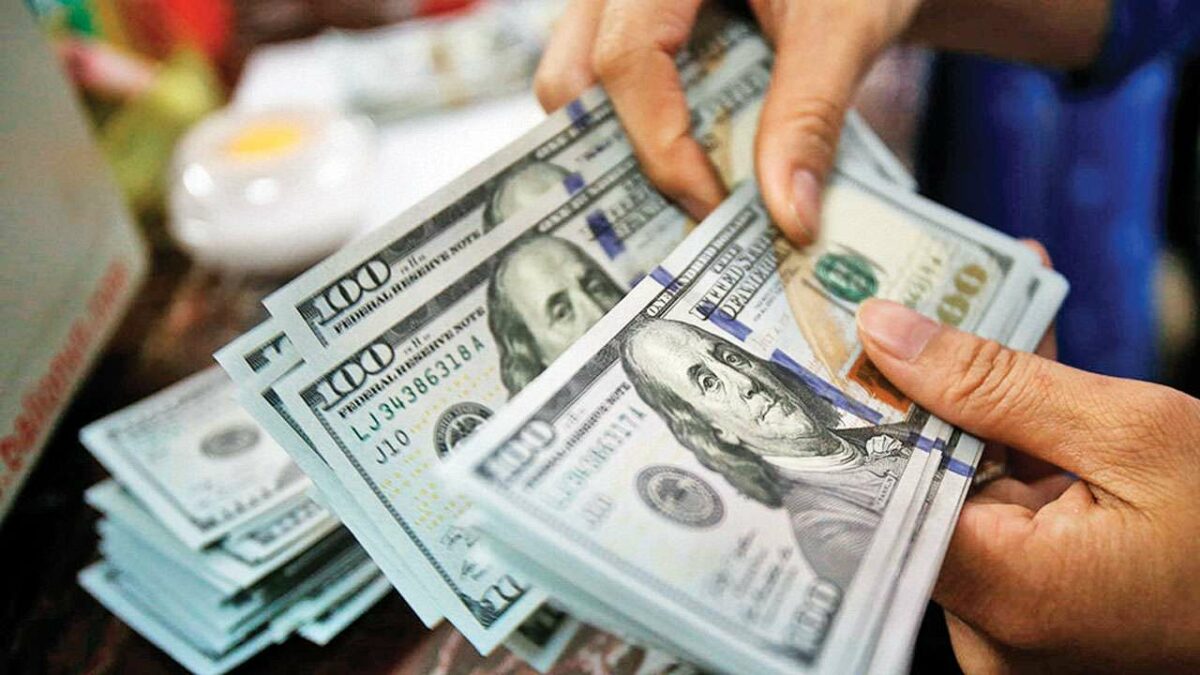
Bureau De Change (BDC) operators in Nigeria are grappling with severe operational challenges, with many on the brink of collapse due to the Central Bank of Nigeria’s (CBN) decision to cut off their access to foreign exchange (forex) through official channels. The licensed currency traders are struggling to cover essential costs such as staff salaries, office rent, licensing fees, and other regulatory compliance expenses, as their revenue streams dwindle.
The CBN’s suspension of dollar allocations to BDCs has left these operators without a reliable source of foreign currency, forcing them to rely on inconsistent walk-in customers. This situation has been exacerbated by a shift in consumer behavior, with many Nigerians opting for online platforms or International Money Transfer Operators (IMTOs) for forex transactions, reducing demand for physical cash exchanges.
A Struggling Sector
Abubakar Ardo, a BDC operator, shared his concerns in an interview with [Publication Name]. “The situation is dire,” he said. “Without access to the official forex window, our businesses are barely surviving. We depend on small, irregular transactions from customers, which isn’t sustainable. Many operators have had to downsize staff or temporarily shut down to cut costs.” Ardo emphasized that the lack of income is making it nearly impossible to meet overhead expenses while maintaining active licenses.
The broader retail forex market is also facing uncertainty, with many BDC operators still navigating the CBN’s recapitalization and licensing requirements. These challenges have left the sector in a precarious state, with operators urging the CBN to reintegrate them into the official forex market to stabilize their businesses and support the bank’s policies.
Calls for Reintegration
Aminu Gwadebe, President of the Association of Bureau De Change Operators of Nigeria (ABCON), highlighted the critical state of the industry. “Our operations are on the verge of extinction,” he stated. “While we support the CBN’s efforts to stabilize the naira and eliminate exchange rate volatility, the lack of access to official forex markets has left most operators struggling to survive.” Gwadebe noted that discussions with the CBN are ongoing, with hopes of restoring BDCs’ active role in the retail forex market.
BDCs have long advocated for greater involvement in Nigeria’s foreign exchange ecosystem, arguing that their participation is essential for ensuring liquidity and supporting the CBN’s market reforms. The unification of Nigeria’s forex market in June 2023, which consolidated all exchange windows into one, was intended to enhance liquidity and stability. However, the exclusion of BDCs from official forex channels has hindered their ability to contribute effectively.
A History of Policy Shifts
In July 2021, the CBN halted forex sales to BDCs, accusing some operators of facilitating illegal financial activities, including money laundering. In February 2024, the bank briefly resumed forex sales to BDCs after revoking the licenses of over 4,173 operators for non-compliance with regulatory guidelines. This move aimed to boost liquidity in the retail forex market, but the CBN later discontinued these sales, leaving BDCs in limbo.
BDC operators have urged the CBN to reinstate policies from 2015 that allowed them to access forex through commercial banks’ autonomous windows and act as agents for diaspora remittances. Such measures, they argue, would enable them to provide much-needed liquidity in the retail forex market and support the CBN’s broader objectives.
A Path Forward
The ongoing struggles of BDC operators highlight the need for a balanced approach to Nigeria’s forex market policies. While the CBN’s efforts to stabilize the naira have shown some success, the exclusion of BDCs has created significant challenges for these operators and the retail forex sector. As discussions between the CBN and BDC operators continue, the industry remains hopeful for a resolution that will restore their access to official forex channels and ensure their survival in an increasingly digital financial landscape.