RateCaptain
  • Home
    • About Us
    • Contact Us
  • FX Rates
  • Money Market
  • Cryptocurrency
  • Commodities
  • Corporates
No Result
View All Result
Subscribe
  • Home
    • About Us
    • Contact Us
  • FX Rates
  • Money Market
  • Cryptocurrency
  • Commodities
  • Corporates
No Result
View All Result
RateCaptain
No Result
View All Result
Home Economy

Lagos Commuters Grapple with Soaring Bus Fares Amid Deepening Fuel Crisis

Akpan Edidong by Akpan Edidong
April 29, 2024
in Economy
Reading Time: 1 min read
A A
0
Fuel Subsidy Removal Negatively Impacts 90% of Nigerian Businesses
Share on FacebookShare on TwitterShare on WhatsappShare on Telegram

As fuel scarcity continues to grip Lagos and other major cities, commuters are facing skyrocketing bus fares and longer waits for public transportation, impacting their daily routines and livelihoods.

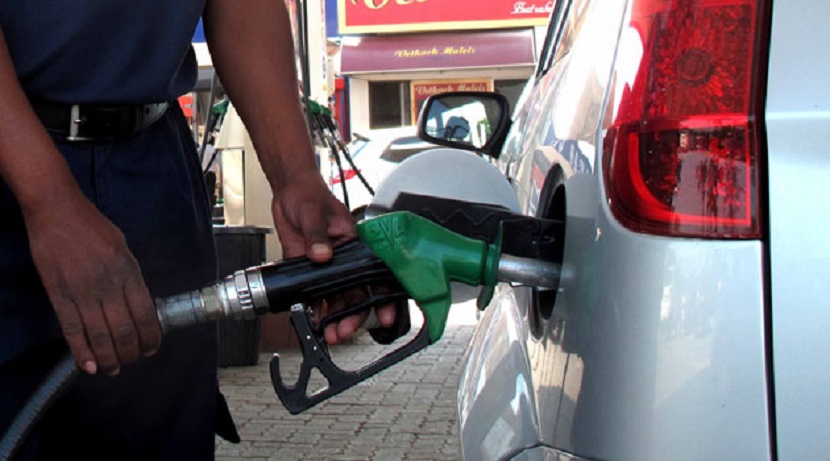
Tricycles and buses, vital for daily commutes, have become scarce as operators struggle to obtain fuel. Many filling stations have halted sales, while those still operating are charging prices well above the normal range.

AlsoRead

Nigerian Issuers Pay Up to 20% to Raise Debt in First Half of 2026

Nigeria’s FX Market Hits Record $4.4 Billion Weekly Turnover 

US Imposes 12.5% Tariff on Nigerian Exports Over Forced Labour Concerns

Observations on Monday morning revealed crowded bus stops and parks across Lagos, with commuters stranded due to the scarcity of available vehicles. At locations like Ojota, queues formed as people awaited tricycles and minibuses, only to find them in short supply.

For those lucky enough to secure a ride, fares remained steep. While some routes maintained usual rates, others saw prices double or even triple. Chichi, a commuter from Pencinema, Ogba, lamented paying N400 instead of the usual N200 fare to Ikeja, reflecting a 100% increase attributed to the fuel scarcity.

Similarly, Tolulope faced a forty-minute delay on her journey from Iyana Oworo to Allen in Ikeja, arriving late to work and paying an extra N200 due to inflated fares.

The disparity in fuel prices adds to commuters’ woes. While some areas reported fuel selling at N700 to N1,000 per litre, others saw prices soar as high as N1,500 on the black market. Drivers cited difficulties in obtaining petrol as the reason for increased fares, with some forced to resort to expensive alternatives.

The ongoing fuel crisis exacerbates existing transportation challenges in Lagos, posing significant hardships for residents reliant on public transit. As commuters grapple with higher costs and longer waits, the need for swift resolution of the fuel scarcity becomes increasingly urgent.
Tags: #Lagosbus farescommutersFuel Crisis
Previous Post

Naira Records 10% Surge Against Dollar Amid EFCC’s Crackdown on Speculators

Next Post

Tinubu Addresses WEF: Nigeria’s Subsidy Removal to Prevent Economic Collapse

Related News

FG Secures $1.95 Billion in World Bank Loans Amidst Debt Concerns

Nigerian Issuers Pay Up to 20% to Raise Debt in First Half of 2026

by Victoria Attah
July 28, 2026
0

Corporate borrowers and state-backed entities paid coupon rates as high as 20% to access Nigeria’s debt capital market in the...

Nigeria Plans New FX Rules, Targeting 750 Naira Exchange Rate

Nigeria’s FX Market Hits Record $4.4 Billion Weekly Turnover 

by Jide Omodele
July 28, 2026
0

Nigeria’s foreign exchange market recorded its highest weekly turnover of 2026, with total transactions in the FX Spot and Derivatives...

US Imposes 12.5% Tariff on Nigerian Exports Over Forced Labour Concerns

by Victoria Attah
July 27, 2026
0

The United States has imposed a 12.5% tariff on most Nigerian exports following a Section 301 investigation that concluded Nigeria...

Fuel Subsidy Removal: Should Nigeria Continue With a Regressive Petrol Subsidy?

Petrol Climbs to N1,400 per Litre as Transport Fares Rise Across Nigeria

by Akpan Edidong
July 27, 2026
0

Petrol prices have surged to as high as N1,400 per litre in parts of Nigeria, prompting a fresh wave of...

Next Post
Key Takeaways From President Tinubu Speech.

Tinubu Addresses WEF: Nigeria's Subsidy Removal to Prevent Economic Collapse

Leave a Reply Cancel reply

Your email address will not be published. Required fields are marked *

Recommended

CBN Allows Oil Companies to Resume Dollar Sales to Banks in Effort to Boost Supply.

Cash Outside Banks Falls by N486 Billion to Seven-Month Low

July 28, 2026
FG Secures $1.95 Billion in World Bank Loans Amidst Debt Concerns

Nigerian Issuers Pay Up to 20% to Raise Debt in First Half of 2026

July 28, 2026

Popular Story

  • CBN Allows Oil Companies to Resume Dollar Sales to Banks in Effort to Boost Supply.

    Cash Outside Banks Falls by N486 Billion to Seven-Month Low

    0 shares
    Share 0 Tweet 0
  • Petrol Climbs to N1,400 per Litre as Transport Fares Rise Across Nigeria

    0 shares
    Share 0 Tweet 0
  • Cooking Gas Prices Drop Across Nigeria as Lagos Records Lowest Rate of N1,200 per kg

    0 shares
    Share 0 Tweet 0
  • Nigerian Issuers Pay Up to 20% to Raise Debt in First Half of 2026

    0 shares
    Share 0 Tweet 0
  • Banks’ Maximum Lending Rate Eases to 33.16% in June

    0 shares
    Share 0 Tweet 0

RateCaptain

We bring you the most accurate in new and market data. Check our landing page for details.

  • Home
  • About Us
  • Privacy Policy
  • Terms & Conditions
  • Disclaimer
  • Cookie Policy
  • Contact Us

Copyright © 2022 RateCaptain - All rights reserved by RateCaptain.

No Result
View All Result
  • Home
    • About Us
    • Contact Us
  • FX Rates
  • Money Market
  • Cryptocurrency
  • Commodities
  • Corporates

Copyright © 2022 RateCaptain - All rights reserved by RateCaptain.

RateCaptain
Manage Cookie Consent
To provide the best experiences, we use technologies like cookies to store and/or access device information. Consenting to these technologies will allow us to process data such as browsing behavior or unique IDs on this site. Not consenting or withdrawing consent, may adversely affect certain features and functions.
Functional Always active
The technical storage or access is strictly necessary for the legitimate purpose of enabling the use of a specific service explicitly requested by the subscriber or user, or for the sole purpose of carrying out the transmission of a communication over an electronic communications network.
Preferences
The technical storage or access is necessary for the legitimate purpose of storing preferences that are not requested by the subscriber or user.
Statistics
The technical storage or access that is used exclusively for statistical purposes. The technical storage or access that is used exclusively for anonymous statistical purposes. Without a subpoena, voluntary compliance on the part of your Internet Service Provider, or additional records from a third party, information stored or retrieved for this purpose alone cannot usually be used to identify you.
Marketing
The technical storage or access is required to create user profiles to send advertising, or to track the user on a website or across several websites for similar marketing purposes.
  • Manage options
  • Manage services
  • Manage {vendor_count} vendors
  • Read more about these purposes
View preferences
  • {title}
  • {title}
  • {title}
?>