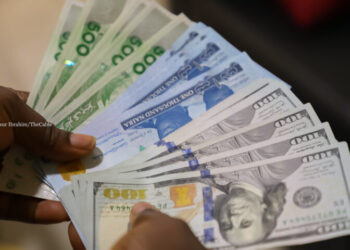
The Naira came under mild pressure in the official foreign exchange market on Wednesday, closing at N1,361.5 per US dollar, down from N1,356.5 recorded in the previous session.
According to data published by the Central Bank of Nigeria (CBN), the local currency experienced a moderate depreciation amid a significant slowdown in trading activity. Daily turnover in the Nigerian Foreign Exchange Market (NFEM) plunged by approximately 57%, falling to $54.29 million from $125.69 million the previous day.
The number of completed deals also declined sharply to 74 from 125, indicating reduced market participation during the session. Intraday trading ranged between N1,357 and N1,361.5, with the simple average exchange rate settling at N1,360.13.
Global Dollar Strength Weighs on Naira
The naira’s performance occurred against the backdrop of a firmer US dollar in global markets. The greenback hovered near a more than two-month high as investors raised expectations of further monetary tightening by the US Federal Reserve amid persistent inflation concerns. Renewed geopolitical tensions in the Middle East, including warnings from US President Donald Trump over Iran, also boosted safe-haven demand for the dollar.
This stronger dollar environment has placed pressure on several emerging market currencies, including the naira.
Reserves Continue to Grow
Despite the slight weakening, Nigeria’s external reserves maintained their upward trajectory, rising to $50.89 billion as of June 16, 2026. The healthy reserve level continues to provide a buffer for the CBN to support market liquidity and defend the currency when necessary.
The CBN has been actively intervening in the foreign exchange market in recent weeks to ensure stability, even as global and domestic factors influence currency movements.
While the naira has shown periods of resilience in recent times, analysts say sustained stability will depend on consistent foreign exchange inflows, particularly from oil exports, and the effectiveness of ongoing monetary policy measures. Market participants will be closely watching developments in global oil prices and US monetary policy for further direction in the coming sessions.