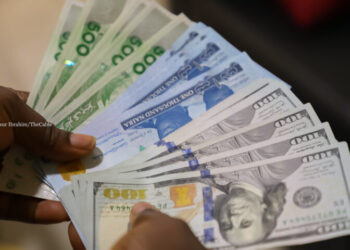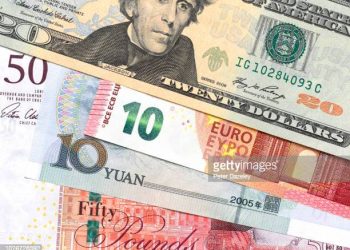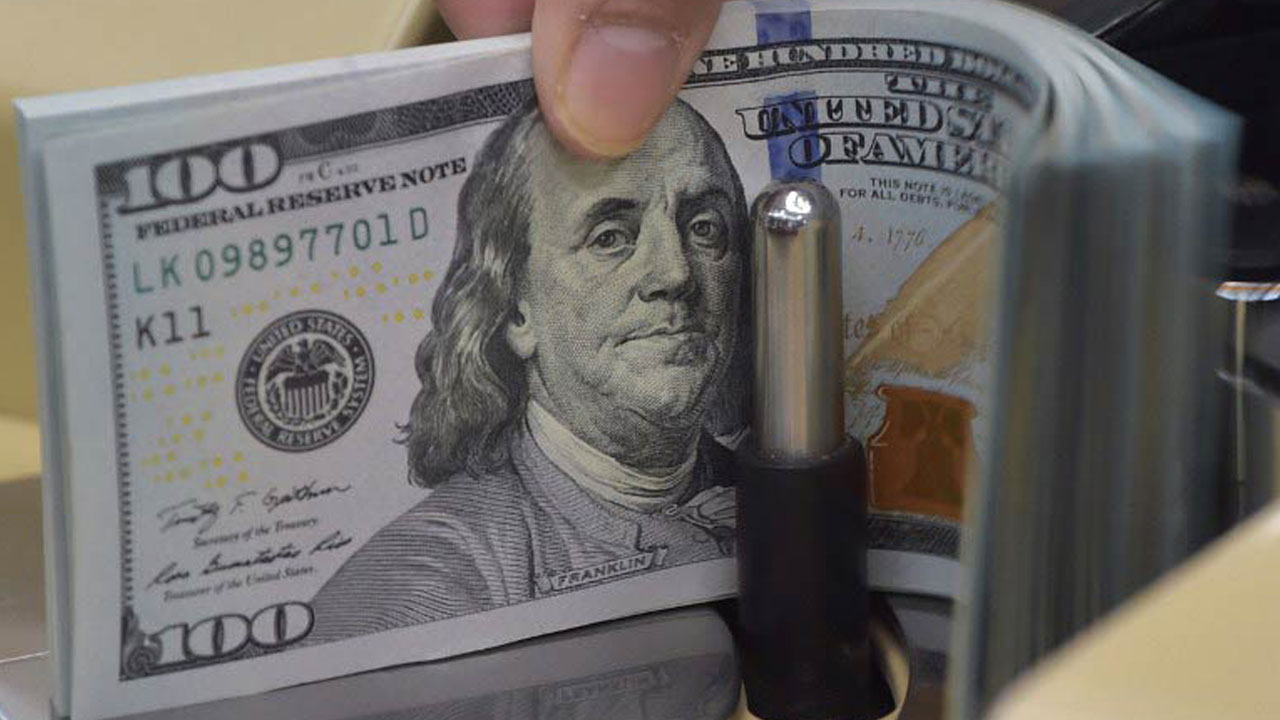
Nigeria’s foreign exchange market is facing renewed pressure as the gap between the official and parallel market rates has widened in recent weeks, highlighting persistent demand for dollars outside formal channels.
While the official market has benefited from improved liquidity and stronger external reserves, the parallel market has seen higher demand, pushing the premium between the two windows higher.
This development comes despite the Central Bank of Nigeria’s ongoing reforms aimed at improving transparency and boosting supply in the official market. The widening spread is often viewed as a signal of excess demand for foreign currency in the informal segment, particularly among small businesses and individuals who struggle to access dollars through authorised banks.
Reserves Offer Support
Nigeria’s external reserves have continued to grow, providing a stronger buffer for the official market. However, analysts say that demand in the parallel market has outpaced official supply, creating a mismatch that is driving the current premium.
Official remittance inflows have seen significant improvement since the implementation of foreign exchange reforms in late 2023, tripling from around $600 million per month. Despite this progress, the parallel market premium has crept higher recently.
Outlook for Stability
Market watchers are closely monitoring whether sustained growth in reserves and stronger foreign exchange inflows can help narrow the gap. If demand in the parallel market continues to rise faster than official supply, the pressure on the naira could intensify, even as the country’s external position improves.
For businesses and consumers, the current disparity means continued challenges in accessing affordable foreign exchange through formal channels. Sustained stability will require consistent dollar supply, improved market confidence, and effective policy measures to address structural imbalances in the foreign exchange system.