Nigerian crude oil grades have climbed to a 10-day high as renewed geopolitical tensions between the United States and Iran triggered fresh volatility in global energy markets.
Brent crude jumped nearly 3% to trade above $90 per barrel, while Nigerian light sweet crudes such as Bonny Light, Qua Iboe, and Forcados were anchored around $93 per barrel.
The surge followed reports of attacks on two ships attempting to pass through the Strait of Hormuz, one of the world’s most critical oil shipping lanes. This has raised fears of potential supply disruptions, prompting traders to price in higher risk premiums.
Escalating Military Actions
The United States Central Command announced it had conducted strikes against Iranian military targets for the ninth consecutive night, targeting command sites, missile and drone facilities, and maritime infrastructure. This followed the death of a US soldier in northern Iraq, bringing the total to 17 since the conflict began.
Secretary of State Marco Rubio stated that the US military response was necessary as long as Iran attempts to control an international waterway.
Nigeria’s Production Gains
Despite the global tensions, Nigeria’s oil output has shown improvement. According to the Nigerian Upstream Petroleum Regulatory Commission (NUPRC), average crude production reached 1.56 million barrels per day in June 2026 the highest monthly level since April 2020. Total liquids output, including condensates, averaged 1.735 million barrels per day.
Bonny and Forcados terminals remain the country’s top producers, with enhanced security around critical infrastructure contributing to the recent gains.
Domestic Market Impact
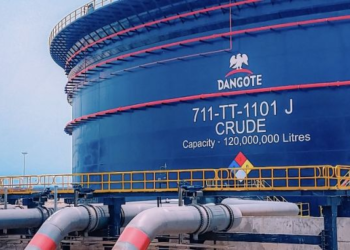
The expansion of Dangote Petroleum Refinery has significantly altered the domestic demand picture. The refinery lifted around 40.4 million barrels of Nigerian crude grades within 60 days, providing strong local demand support for Bonny Light, Forcados, and Bonga.
European refiners are also paying a premium for Nigerian grades to avoid the risks associated with shipping through the Strait of Hormuz.
While the recent price rally offers short-term benefits to Nigeria’s export earnings, analysts warn that prolonged instability in the Middle East could disrupt global supply chains and affect the country’s long-term production and revenue outlook. The situation remains fluid as diplomatic efforts continue amid heightened military activity in the region.