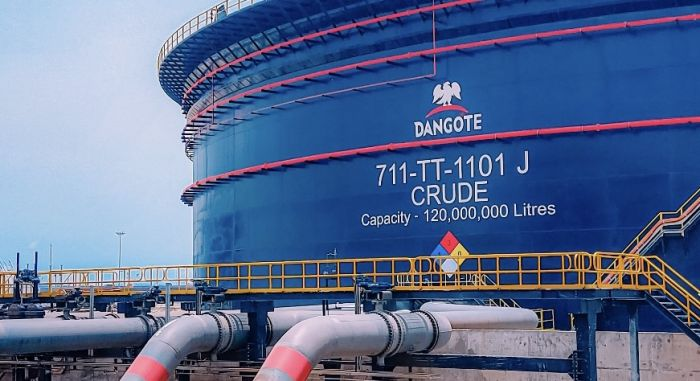
Dangote Petroleum Refinery and Petrochemicals reported net income of N6.29 trillion for the nine months ended 30 September 2026, as the facility moved from construction into full commercial operations.
Revenue for the period rose to N29.96 trillion, more than double the previous comparable figure, supported by higher processing volumes and favourable global refining margins. The plant, owned by Aliko Dangote, reached its full processing capacity of 700,000 barrels per day during the period.
Cash Position Turns Positive
The company ended the nine months with N866.51 billion in cash. That represents a sharp turnaround from the N2.26 trillion net debt position recorded a year earlier.
Operating at 700,000 barrels per day, the refinery is central to Nigeria’s effort to expand domestic fuel production and reduce long-standing dependence on imported refined products. The N6.29 trillion net profit over nine months places it among the country’s most profitable businesses by reported earnings. Longer-term sustainability, however, will depend on operating costs, financing obligations and underlying cash flows.
IPO Seeks N2.13 Trillion
Alongside the earnings results, the Lagos-based refinery is advancing plans to raise N2.13 trillion through an initial public offering of 4.1 billion shares. The transaction would rank among the largest of its kind on the African continent.
Dangote said during a facility tour that investor interest had significantly exceeded expectations, with demand running at three to four times the company’s original target. In response, the refinery extended the subscription window by two weeks.
David Bird, chief executive of Dangote Petroleum Refinery and Petrochemicals, said the extension was intended to give a wider range of prospective investors the opportunity to participate.
The company announced on Monday, 12 October, that the Securities and Exchange Commission had approved the change, moving the closing date from 13 October to 27 October 2026. The offer opened on 14 September and is expected to become Africa’s largest share sale.
Wider Implications
The share offering is set to broaden public ownership of the refinery and test investor willingness to back large-scale industrial projects in Nigeria. A successful N2.13 trillion raise would also deepen the local capital market and give Nigerian investors direct exposure to the country’s largest refining asset.
For fuel consumers, the key question remains whether sustained operation at full capacity will deliver more reliable domestic supply and exert downward pressure on pump prices over time.