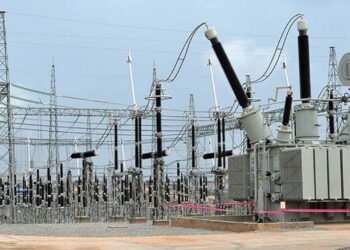
The Federal Government is set to raise approximately N729 billion through a second sovereign bond issuance to clear verified legacy debts owed to electricity generation companies (GenCos).
This move is part of the first phase of the Presidential Power Sector Debt Reduction Programme and aims to restore liquidity across the power value chain while strengthening investor confidence in the sector.
The planned issuance, which will follow an Investors’ Forum scheduled for Tuesday, July 21, 2026, will bring the total value of the first two bond tranches to about N1.23 trillion.
First Tranche Successfully Executed
The initial bond of N501 billion was issued in January 2026 under the programme approved by President Bola Tinubu. The government promptly met its first coupon and principal repayment obligations on July 14, 2026, reinforcing its commitment to honouring contractual terms.
Structured Debt Resolution Framework
The broader N4 trillion Presidential Power Sector Debt Reduction Programme was approved by the Federal Executive Council in 2025, with the Nigerian Bulk Electricity Trading Plc (NBET) serving as the sponsoring institution. The programme is being executed through multiple debt instruments issued by NBET Finance Company Plc, a special purpose vehicle created specifically for this purpose.
The bonds are backed by the full faith and credit of the Federal Government and supported by robust risk mitigation measures.
NBET CEO Johnson Akinnawo described the upcoming issuance as a significant step toward resolving long-standing financial obligations in the power sector.
“By improving liquidity across the electricity value chain, the programme will help strengthen the financial position of market participants, support new investment, and promote sustainable electricity generation for the benefit of Nigerians,” he said.
The government believes that addressing these legacy debts through a transparent, market-based approach will create a more stable and bankable electricity market, capable of attracting fresh capital and supporting Nigeria’s long-term economic development goals.