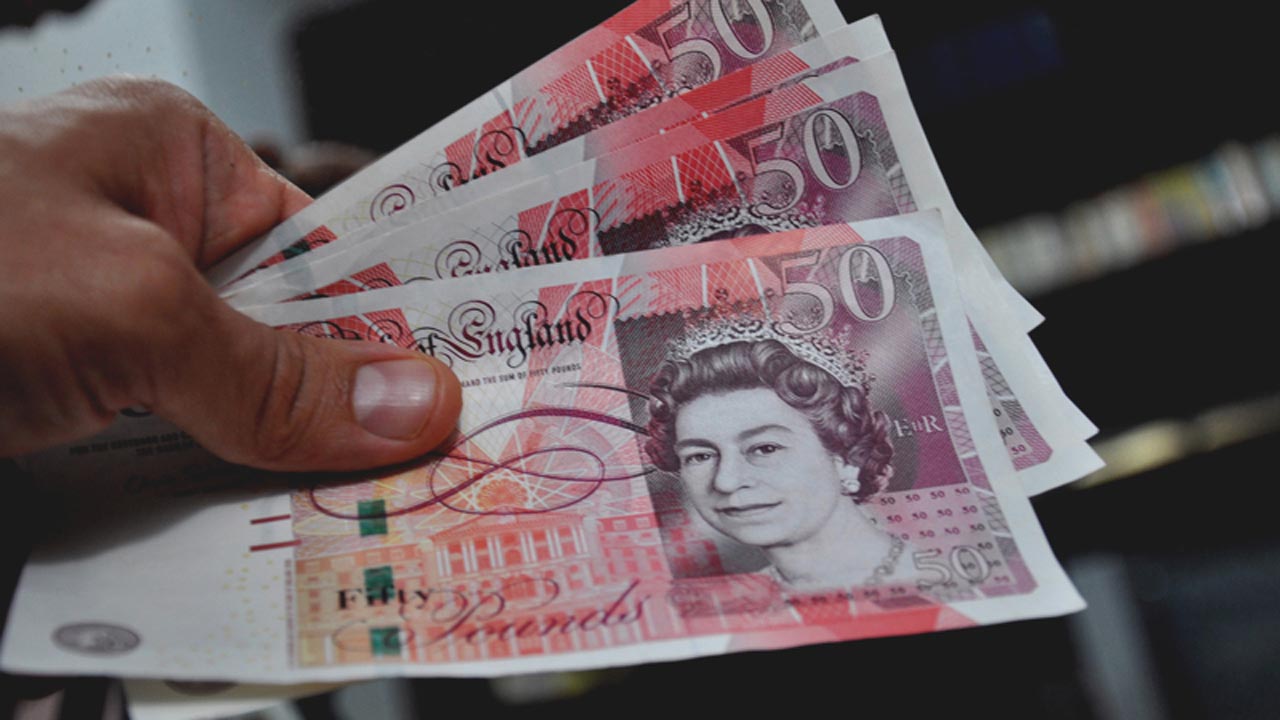
The naira continued its recent appreciation against the British pound, closing at N1,767 per pound on the official market on Wednesday and remaining below the N1,800 resistance level.
The currency’s strength against sterling reflects improving domestic economic conditions. Technical indicators showed long stop-loss orders being triggered below N1,800, with weekly and daily GBP/NGN charts displaying pronounced bearish candles and elevated volume consistent with institutional activity countering thinly traded short positions. Intraday trading consolidated in the mid-N1,750 range as order-book dynamics shifted modestly.
Movements in the pair have also been shaped by fluctuations in Nigerian foreign-exchange liquidity and broader global valuations of the pound.
Domestic Supports for the Naira
The Central Bank of Nigeria continues efforts to stabilise the domestic FX market by clearing outstanding backlogs and maintaining a tighter monetary stance to contain inflation. Higher crude-oil prices have provided additional support, given that Nigeria’s foreign-exchange earnings remain closely linked to global energy markets. Changes in oil output and international prices therefore feed directly into the naira’s performance.
Pound Holds Up Against a Softening Dollar
In global markets the US dollar struggled to make headway against the pound and traded near the 1.3200 level on Thursday its weakest point since late June of the previous year. The dollar’s pullback from near an 18-month high has been driven by the Federal Reserve’s hawkish posture, elevated US bond yields and geopolitical uncertainty.
Expectations of a relatively firm Bank of England stance have helped underpin the pound and limited further declines in GBP/USD. Recent price action has been range-bound, interpreted by some technicians as a consolidative phase after the sharp drop from the August swing high. The upper edge of the range aligns with the 100-period simple moving average on the four-hour chart, while the MACD remains negative though narrowing and the RSI sits at 41.7, pointing to a mildly bearish bias. A decisive break below support near $1.3180 would open the door to further downside.
Yields and Oil Add to Global Backdrop
US Treasury yields climbed sharply, with the 10-year rate reaching 5.35 per cent its highest level since April 2002 and the 30-year yield also hitting multi-year peaks. Oil prices moved above $100 a barrel after escalated Iranian attacks on tankers in the Strait of Hormuz, raising inflation concerns that in turn pushed bond yields higher.
Investors increased holdings of Treasuries ahead of a $39 billion 10-year auction and a subsequent 30-year sale, as well as planned buybacks of existing securities. In Europe, funds rotated out of French debt into safer German bonds, keeping the German 10-year yield near 3.5 per cent. The resulting US-German yield differential of more than 1.8 percentage points has encouraged dollar purchases to capture the spread, with the euro—accounting for 58 per cent of the US Dollar Index—driving a large share of the index’s movement.
For the naira, the combination of firmer domestic fundamentals, supportive oil prices and a softer global dollar environment has helped sustain its recent strength against the pound.