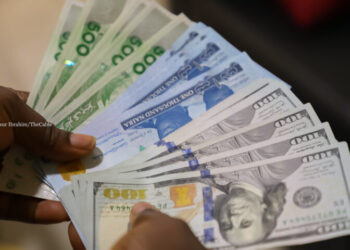
Naira came under renewed pressure in the parallel market on Monday, depreciating to N1,410 per US dollar, up from N1,397 the previous week and N1,408 on Friday.
Currency traders attributed the decline primarily to increased demand for foreign exchange as individuals and businesses prepare for the summer holiday season. One trader noted that dollar demand had picked up noticeably in recent days.
In contrast, the official foreign exchange market showed some resilience last week. Data from the Central Bank of Nigeria indicated the naira appreciated by N10.74 week-on-week to close at N1,370.19 per dollar, a gain of 0.78%.
Reserves Provide Strong Buffer
Nigeria’s external reserves continued to strengthen, reaching $51.45 billion as of June 30, 2026 marking a significant 38.27% increase from the same period in 2025. This robust reserve position has enhanced the CBN’s ability to intervene and support the naira when needed.
However, a recent report by Quest Merchant Bank highlighted a moderation in foreign exchange supply during June, with total inflows declining by 26% month-on-month to approximately $2.8 billion. The slowdown was driven mainly by lower exporter proceeds and reduced corporate inflows.
Despite the softer supply, sustained CBN interventions helped maintain relative stability in the official window. Analysts expect supply conditions to remain supportive in the coming months, backed by offshore inflows and gradually improving macroeconomic fundamentals.
The widening gap between the official and parallel markets reflects seasonal pressures, particularly from summer travel demand. Market participants anticipate continued volatility in the black market in the short term, though stronger reserves and policy measures could help anchor the naira over the medium term.