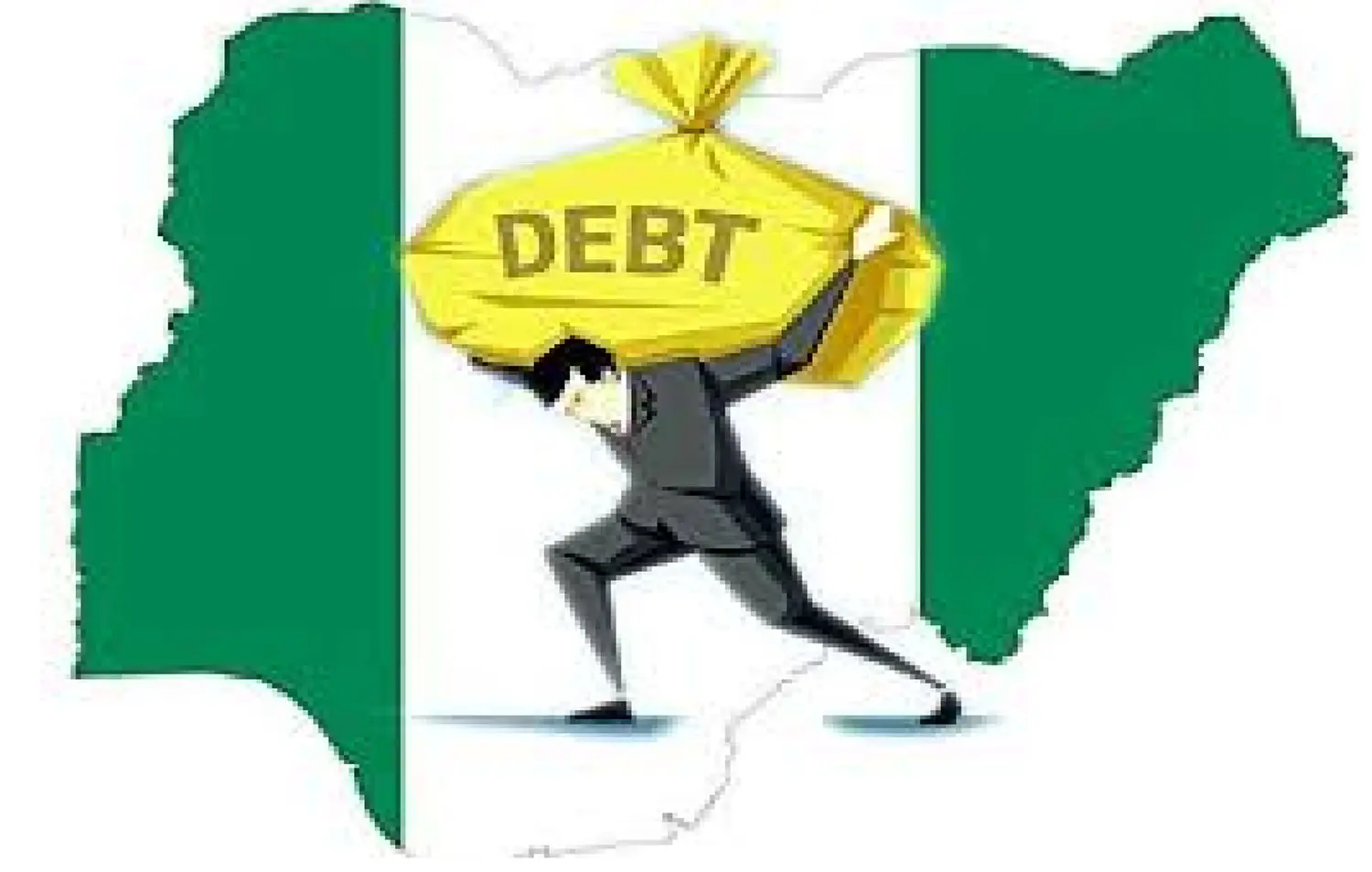
The Nigerian Federal Government has outlined plans to borrow N17.89 trillion in 2026, a sharp 72% increase from the N10.42 trillion earmarked for 2025, as it contends with a significant drop in projected revenue and a persistent fiscal deficit.
The proposal, detailed in the 2026-2028 Medium-Term Expenditure Framework and Fiscal Strategy Paper from the Budget Office of the Federation, indicates a challenging fiscal outlook. While total federal expenditure is expected to decrease slightly to N54.46 trillion in 2026, a forecasted 23% plunge in government revenue—from N38.02 trillion in 2025 to N29.35 trillion in 2026—has necessitated the substantial increase in borrowing.
Consequently, the fiscal deficit is projected to widen to N20.12 trillion in 2026, up from N14.10 trillion in 2025. However, due to anticipated growth in the nation’s Gross Domestic Product (GDP), the deficit-to-GDP ratio is expected to improve, falling from 4.17% to 3.61%.
Domestic debt markets will bear the brunt of the new borrowing. Approximately 80%, or N14.31 trillion, of the planned N17.89 trillion is slated to come from local sources, with only N3.58 trillion expected from external lenders. This continues a recent trend of heavy reliance on domestic financing.
Economists have expressed concern over the implications of the aggressive borrowing strategy. Dr. Muda Yusuf, CEO of the Centre for the Promotion of Private Enterprise, warned that the soaring debt could jeopardize recent economic progress and fuel inflation. Similarly, Prof. Adeola Adenikinju, President of the Nigerian Economic Society, cautioned that excessive domestic borrowing could “crowd out” the private sector by driving up interest rates.
The government’s debt service burden is also set to rise sharply. Debt servicing costs are projected to increase from N13.94 trillion in 2025 to N15.52 trillion in 2026. This would cause the debt service-to-revenue ratio to jump from 34% to 45%, indicating that nearly half of all government revenue would be allocated to servicing existing debts.
Looking ahead, the total proposed borrowing from 2026 to 2028 amounts to N54.91 trillion, signaling sustained reliance on debt to fund government operations. As the nation prepares to navigate this period of fiscal pressure, the government’s ability to balance necessary borrowing with sustainable economic management will be critical to maintaining stability and fostering growth.