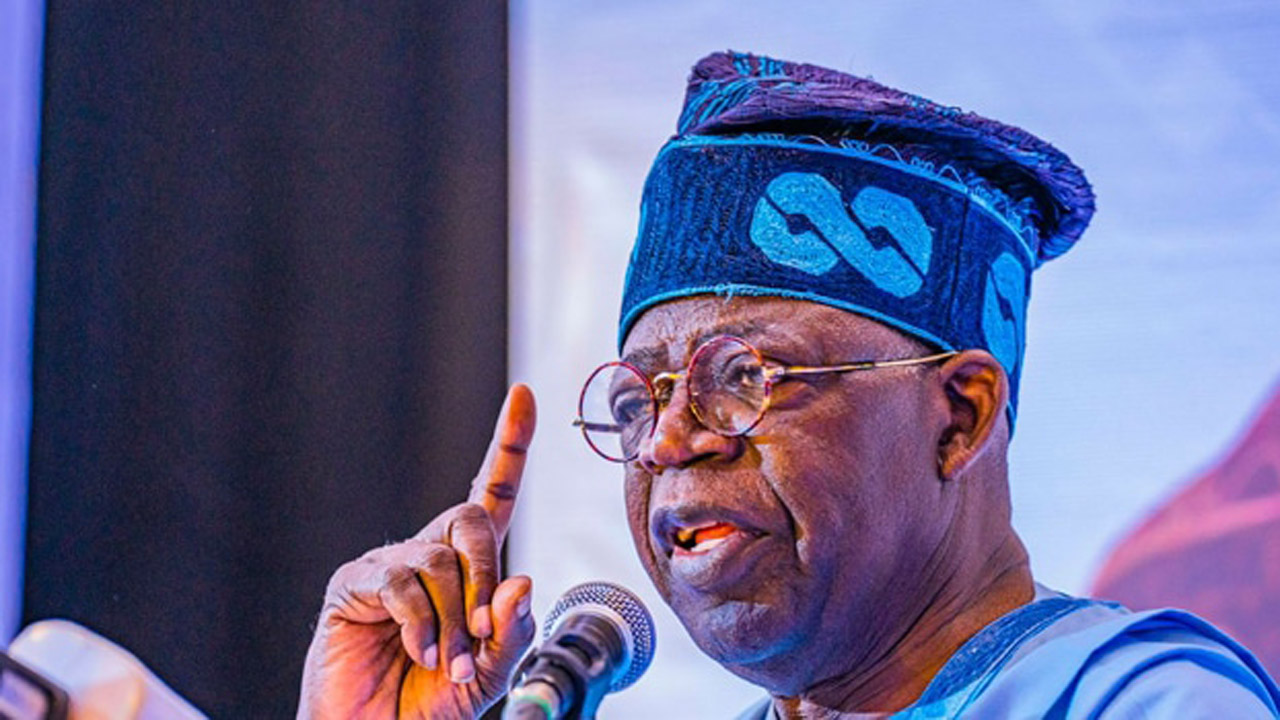
The Nigerian government is set to secure $1.75 billion in new loans from the World Bank by the end of 2025, despite a reported 40.5% increase in revenue for the first eight months of the year. The revenue, which reached N20.59 trillion from January to August 2025, marks a significant rise from the N14.6 trillion recorded in the same period of 2024, driven largely by a boost in non-oil revenue, according to a statement from the Presidency.
Non-oil revenues now constitute 75% of total collections, aligning with the government’s projections to meet its annual revenue targets. However, despite this financial uptick, Nigeria continues to grapple with funding shortages in critical areas such as infrastructure, prompting plans to borrow both domestically and internationally.
The World Bank loans will support key development initiatives across multiple sectors. A $500 million allocation is earmarked for the Nigeria Sustainable Agricultural Value-Chains for Growth project, aimed at enhancing agricultural productivity and rural development. This project is in the concept review stage, with approval expected by December 2025.
Another $500 million will fund the Building Resilient Digital Infrastructure for Growth initiative, designed to bolster Nigeria’s technology sector and digital economy. This project is in the negotiation phase, with approval slated for October 2025. Additionally, $250 million is allocated for the Health Security Programme in Western and Central Africa (Phase II), which focuses on strengthening Nigeria’s health systems and emergency preparedness, with approval anticipated by September 2025. Lastly, $500 million will support the Fostering Inclusive Finance for MSMEs project, aimed at improving access to finance for small and medium enterprises, with approval expected in December 2025.
This latest borrowing comes despite President Bola Tinubu’s earlier announcement that Nigeria had surpassed its 2025 revenue goals, suggesting reduced reliance on loans. However, unpaid debts for capital projects, estimated at N4 trillion, have sparked protests by local contractors, highlighting ongoing fiscal challenges.
Economic analysts have expressed mixed views on the new loans. Adewale Abimbola, a Lagos-based economist, noted that World Bank loans are often concessional, with favorable interest rates and repayment terms. He emphasized that the effectiveness of borrowing depends on its deployment into projects with strong revenue-generating potential. “Borrowing for viable, growth-oriented initiatives is not problematic if managed well,” Abimbola stated.
Conversely, Dr. Aliyu Ilias, a development economist, raised concerns about Nigeria’s escalating debt, which has risen from N87 trillion in 2023 to approximately N149 trillion today. He argued that with reported revenue surpluses from agencies like the Federal Inland Revenue Service and Nigeria Customs Service, the need for additional borrowing is questionable. Ilias warned that heavy debt servicing is straining public service delivery, limiting job creation, and exacerbating inflation and foreign exchange challenges.
Dr. Muda Yusuf, CEO of the Centre for the Promotion of Private Enterprise, stressed the importance of debt sustainability, noting that borrowing is a standard practice globally but must be tied to clear economic priorities. He cautioned that without robust revenue streams to service loans, Nigeria risks a cycle of borrowing to repay existing debts, which could undermine fiscal stability.
The World Bank has approved $8.4 billion in loans for Nigeria between June 2023 and August 2025, supporting 15 projects in sectors like energy, education, and governance. These include $1.95 billion from the International Bank for Reconstruction and Development and $6.5 billion from the International Development Association, which offers concessional financing to low-income countries.
As Nigeria navigates its fiscal strategy, experts urge the government to balance borrowing with stronger domestic revenue mobilization and efficient expenditure to ensure sustainable economic growth