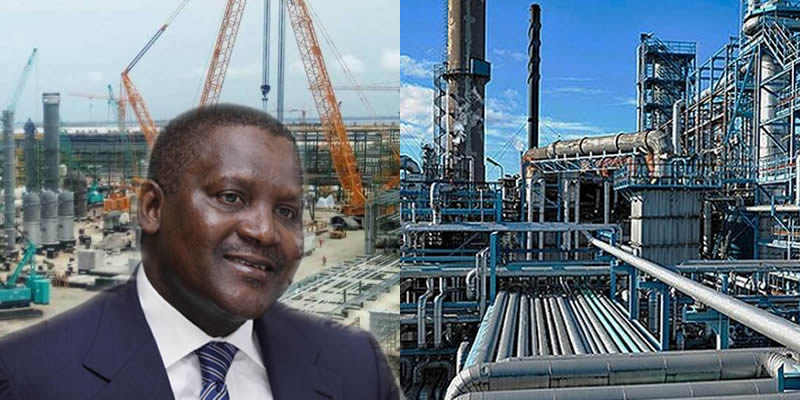
On May 22nd, 2023, President Buhari commissioned the Dangote Refinery in Lagos, marking a significant milestone for Nigeria and the African region. As the world’s largest single-train refinery with a capacity of 650,000 barrels per day, the refinery is expected to meet Nigeria’s entire demand for refined petroleum products and generate a surplus for export. This blog post explores how the Dangote Refinery can positively impact Nigeria’s economy and contribute to exchange rate stability.
1. Reduction in Fuel Imports:
Nigeria’s heavy dependence on fuel imports has exerted pressure on the demand for foreign currency, particularly the dollar. By producing enough petroleum products domestically, the Dangote Refinery will significantly reduce or eliminate the need for imports. This decreased demand for dollars can help strengthen the naira against the dollar and alleviate pressure on the exchange rate.
2. Exporting Refined Crude Oil:
The Dangote Refinery’s operation can lead to increased production and exports of refined petroleum products, generating foreign exchange earnings for Nigeria. By exporting excess products to other countries, Nigeria can increase its reserves and bolster the supply of dollars in the foreign exchange market. This increased dollar supply can stabilize or strengthen the naira, boosting investor confidence and the currency’s value.
3. Increased Foreign Exchange Reserves:
As the Dangote Refinery reduces Nigeria’s dependence on imported fuel, it conserves foreign exchange reserves. Higher reserves provide stability and confidence in the currency, positively impacting the exchange rate. Additionally, the opportunity cost of subsidizing petroleum products, including loss of export revenue, can be gained, thereby boosting external reserves.
4. Reduce Inflation-Linked Currency Depreciation:
Nigeria’s reliance on imported petroleum products contributes to inflationary pressures. With the Dangote Refinery’s production capacity, the country can become more self-sufficient, reducing the need for expensive imports. This decreased dependence on imports can mitigate the impact of imported inflation, as locally produced petroleum products are less influenced by global market dynamics. The reduced costs of fuel consumption can improve purchasing power and contribute to a more stable exchange rate.
5. Attract Foreign Investments:
The establishment of the Dangote Refinery showcases Nigeria’s commitment to developing its domestic refining capacity, attracting foreign investments. The refinery’s scale and strategic importance make Nigeria an attractive investment destination. Foreign direct investment brings in foreign currency inflows, strengthening foreign exchange reserves and positively impacting the exchange rate. Furthermore, foreign investments bring expertise, technology, and best practices, enhancing the refinery’s operations and the overall economy.
6. Improve Trade Balance:
The Dangote Refinery’s potential to reduce fuel imports and increase petroleum product exports can contribute to improving Nigeria’s trade balance. A positive trade balance, where exports exceed imports, attracts foreign investments and strengthens the country’s currency. By boosting Nigeria’s overall economic outlook, the refinery can contribute to exchange rate stability.
7. Job Creation and Economic Impact:
The Dangote Refinery’s operation and the creation of thousands of direct and indirect jobs stimulate economic growth, increase tax revenues, and improve fiscal stability. The resulting reduction in unemployment and increased purchasing power can have a positive impact on inflation rates and overall economic stability.
The commissioning of the Dangote Refinery is a significant achievement for Nigeria and holds immense potential for the country’s economy and exchange rate stability. By reducing fuel imports, increasing foreign exchange reserves, attracting foreign investments, and improving the trade balance, the refinery can positively impact the naira’s strength against the dollar. Additionally, the creation of jobs and the resulting economic growth further contribute to Nigeria’s overall stability and prosperity.
Drawbacks and Potential Challenges:
While the Dangote Refinery presents numerous opportunities for Nigeria’s economy and exchange rate stability, it is important to consider potential drawbacks and challenges that may arise:
Dependence on Oil Sector:
Nigeria’s heavy reliance on the oil sector for revenue and foreign exchange earnings poses a risk to the economy. Despite the Dangote Refinery’s potential to reduce fuel imports, Nigeria’s overall economic diversification efforts may still be limited. Any fluctuations in global oil prices or disruptions in the oil market could impact the country’s exchange rate stability.
Infrastructure and Maintenance:
Maintaining the operations and infrastructure of such a massive refinery requires ongoing investment and skilled manpower. Ensuring the refinery’s efficient and uninterrupted operation will require a robust maintenance plan and continuous infrastructure development. Failure to adequately address these aspects may lead to operational challenges, delays, or increased costs.
Environmental Concerns:
Large-scale industrial projects, such as refineries, have the potential to impact the environment. It is crucial for Nigeria to prioritize and enforce strict environmental regulations to minimize the refinery’s ecological footprint. Proper waste management, emissions control, and monitoring are essential to mitigate environmental risks and ensure sustainable operations.
Technological Advancements:
The oil and gas industry is rapidly evolving, with advancements in technology and renewable energy sources. As the Dangote Refinery is a long-term investment, Nigeria must adapt and incorporate emerging technologies to remain competitive in the global energy market. Failure to keep up with technological advancements could hinder the refinery’s efficiency and sustainability.
Market Volatility and Competition:
The global petroleum market is subject to volatility due to various factors, such as geopolitical tensions, supply-demand dynamics, and economic fluctuations. Nigeria’s ability to compete with other refining nations and navigate market uncertainties will impact the success and profitability of the Dangote Refinery. Maintaining a competitive edge and adapting to changing market conditions will be crucial for long-term success.
Government Policies and Regulations:
The stability of Nigeria’s economic policies and regulatory framework plays a vital role in attracting investments and fostering a conducive business environment. It is essential for the government to maintain transparent and consistent policies, create a level playing field, and ensure regulatory compliance. Any policy inconsistencies or unpredictable changes could impact investor confidence and disrupt the refinery’s operations.
Bottom line
While the Dangote Refinery holds immense promise for Nigeria’s economy and exchange rate stability, it is important to acknowledge the potential challenges and drawbacks that may arise. Nigeria must proactively address these concerns by diversifying its economy, investing in infrastructure and maintenance, adopting environmentally responsible practices, embracing technological advancements, and maintaining stable government policies. By effectively managing these challenges, Nigeria can maximize the benefits of the Dangote Refinery and drive long-term economic growth and stability.