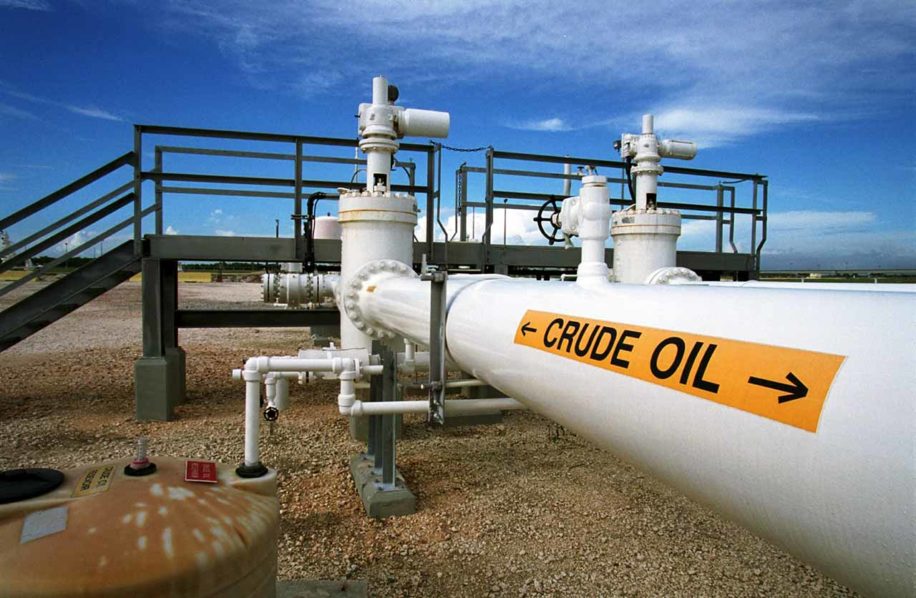
Global oil prices rose above $100 a barrel on Wednesday for the first time since late July, as a sharp intensification of conflict between the United States and Iran heightened concerns about further disruptions to crude supplies.
According to Oilprice.com, Brent crude, the international benchmark, climbed to around $101.20 a barrel, up more than 3 per cent on the day after briefly surpassing the $100 threshold earlier in the session. The US benchmark, West Texas Intermediate, traded near $96 a barrel.
Latest Military Exchanges
The rally followed the most recent phase of military exchanges in the Middle East. The US Central Command said American forces had destroyed five Iranian crude oil carriers four in the Gulf of Oman and one near Kharg Island in response to ballistic missile attacks by Iran’s Islamic Revolutionary Guard Corps on a US Navy warship.
Iran responded by firing ballistic missiles towards US forces at Jordan’s al-Azraq Air Base. Jordan’s Armed Forces reported intercepting 18 of the 20 missiles, with the remaining two landing in unpopulated areas and no casualties recorded. The IRGC also claimed attacks on US vessels and oil tankers, though those claims remain unverified.
The escalation comes after Houthi attacks on energy facilities in southern Saudi Arabia, which forced the kingdom to suspend operations at several sites.
Implications for Nigeria
For Nigeria, the jump in oil prices offers a substantial revenue opportunity. Current levels of Brent and other benchmarks are well above the $64.85-per-barrel assumption used in the 2026 federal budget. Sustained higher prices could increase government earnings from royalties, taxes and other oil-related revenues.
At the same time, the rise in crude costs has contributed to a sharp increase in domestic petrol prices, which have moved from an average of about N830 per litre in February to N1,310 at the time of this report.