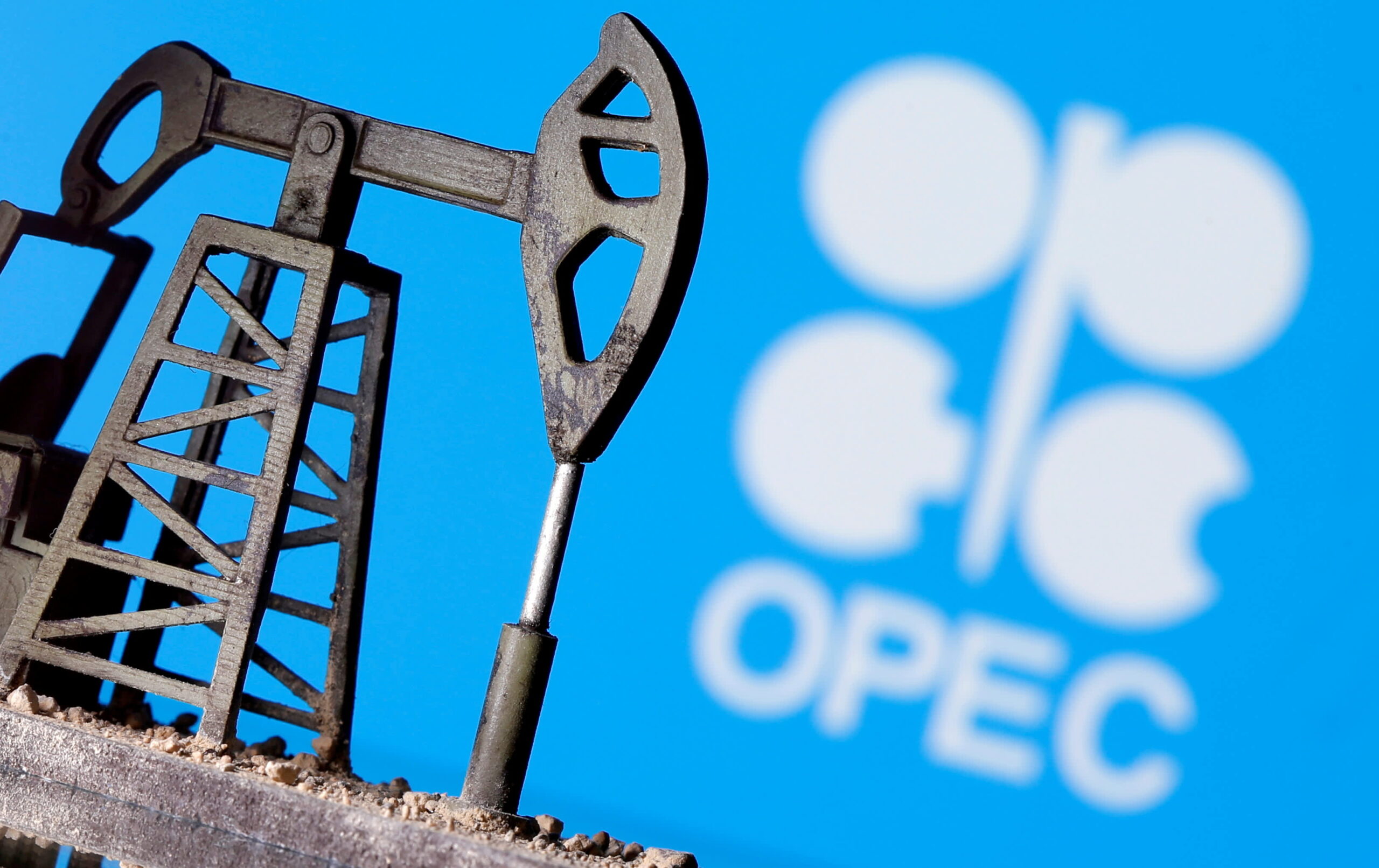
Seven major OPEC+ producers have decided to raise their collective oil production quotas by 188,000 barrels per day starting in August 2026, as the Middle East region begins to stabilise following recent geopolitical disruptions.
The virtual ministerial meeting involved representatives from Saudi Arabia, Russia, Iraq, Kuwait, Kazakhstan, Algeria, and Oman. The group announced the production adjustment in an official statement, describing it as a measured response to improving conditions in key oil shipping routes.
Recovery After Strait of Hormuz Disruptions
Gulf producers had been forced to significantly reduce output earlier in the year after tensions led to near-paralysis of the Strait of Hormuz, a critical chokepoint for global oil transport. Combined production from Saudi Arabia, Iraq, and Kuwait alone fell by around six million barrels per day between the first quarter and May, according to OPEC data.
The situation eased after Iran and the United States signed a Memorandum of Understanding on June 17, committing to remove obstacles to maritime traffic during ongoing talks. Since then, oil shipments through the strait have gradually recovered, pushing global crude prices down toward pre-crisis levels.
Analysts say that while the quota increase signals confidence in returning stability, actual production ramp-up may take time. Giovanni Staunovo of UBS noted that current output levels are likely still below targets, while Saxo Bank’s Ole Hansen pointed out that restarting shut-in production requires significant time and logistical coordination.
The latest decision by OPEC+ is expected to support a more balanced global oil supply as the region moves toward normal operations.