RateCaptain
  • Home
    • About Us
    • Contact Us
  • FX Rates
  • Money Market
  • Cryptocurrency
  • Commodities
  • Corporates
No Result
View All Result
Subscribe
  • Home
    • About Us
    • Contact Us
  • FX Rates
  • Money Market
  • Cryptocurrency
  • Commodities
  • Corporates
No Result
View All Result
RateCaptain
No Result
View All Result
Home Economics

African Nations Grapple with Soaring Borrowing Costs in 2025 Amid Inflation Surge

Akpan Edidong by Akpan Edidong
August 6, 2025
in Economics
Reading Time: 3 mins read
A A
0
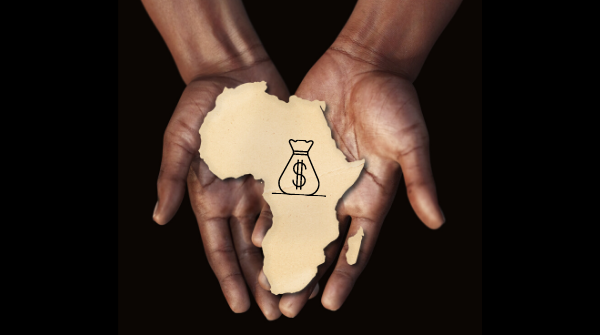
IMF Lists Top 10 African Nations with Highest Debt Burdens
Share on FacebookShare on TwitterShare on WhatsappShare on Telegram

Across Africa, central banks are wielding high Monetary Policy Rates (MPRs) as a weapon against persistent inflation, currency volatility, and economic instability, but the steep borrowing costs are stifling growth for businesses and households. According to Nairametrics Research, Zimbabwe, Sudan, and Ghana lead the continent with the highest MPRs in 2025, reflecting aggressive monetary tightening to curb runaway prices and stabilize weakening currencies. However, these elevated rates, ranging from 17.25% to 35%, are making credit prohibitively expensive, posing a delicate balancing act for policymakers aiming to foster economic recovery.

Zimbabwe tops the list with an MPR of 35%, driven by relentless hyperinflation at 95.8% in July 2025. The Reserve Bank of Zimbabwe’s stringent policy aims to tame price volatility exacerbated by currency depreciation and structural economic weaknesses. The introduction of the gold-backed ZiG currency in 2024 sought to reduce reliance on the US dollar, but low confidence and exchange rate instability continue to fuel inflation, rendering credit nearly inaccessible for small businesses and consumers. This pushes economic activity into the informal sector, limiting formal growth prospects.

AlsoRead

Brent Falls to About $101.71 and WTI Drops Below $100 as US-Iran Diplomacy Hopes Rise

Naira Weakens at Official Market After Two-Day Advance

N4.66 Trillion Liquidity Surplus Eases Funding Pressure on Banks

Sudan follows with an MPR of 28.3%, unchanged since early 2023, grappling with a staggering 113.35% inflation rate in June 2025. Political instability, ongoing conflict, and limited access to global capital markets have crippled the economy, with the Central Bank of Sudan relying on tight monetary measures to preserve the Sudanese pound’s value. However, triple-digit inflation and disrupted supply chains, particularly in conflict zones like Darfur, have frozen credit markets, leaving businesses and households struggling to afford basic goods.

Ghana’s MPR stands at 28%, raised in May 2025 to counter 13.7% inflation and stabilize the cedi. Supported by an IMF program and tighter fiscal controls, Ghana has reduced inflation from a 2023 peak of 43.1%. Yet, high borrowing costs, combined with debt sustainability concerns and foreign exchange liquidity pressures, continue to hamper private sector growth and domestic consumption. The Bank of Ghana’s efforts reflect cautious optimism, but elevated rates challenge businesses recovering from post-pandemic disruptions.

Nigeria, Africa’s largest economy, ranks fourth with an MPR of 27.5%, maintained in July 2025 after an aggressive tightening cycle initiated in 2022. The Central Bank of Nigeria (CBN) is combating 22.22% inflation, driven by naira depreciation (N1,565/$1 in the parallel market) and import-driven price pressures. While the CBN’s policies, including $4.1 billion in forex interventions in H1 2025, aim to attract foreign capital and stabilize the naira, high borrowing costs exacerbate challenges for businesses facing logistical bottlenecks and power shortages. Analysts anticipate potential rate cuts in late 2025 if inflation eases further.

Malawi’s MPR of 26% reflects efforts to manage 27.1% inflation, worsened by drought-induced food shortages and currency instability. The Reserve Bank of Malawi’s limited policy options strain small and medium enterprises (SMEs) and agricultural producers, who face costly credit amid subdued growth prospects. Similarly, the Democratic Republic of Congo’s 25% MPR addresses 5% inflation and currency repatriation delays in its mineral-driven economy, but high rates restrict private sector borrowing.

Egypt’s Central Bank raised its MPR to 24.5% to tackle 14.9% inflation, fueled by repeated currency devaluations and subsidy reforms. Despite IMF-backed adjustments, reliance on imported food and energy keeps prices elevated, pushing borrowers toward informal markets. Sierra Leone’s 23.75% MPR battles 7.1% inflation, driven by food insecurity and low foreign exchange reserves, with limited economic diversification amplifying the impact of tight policy.

Angola’s 19.5% MPR balances volatile oil revenues and 19.73% inflation, aiming to stabilize the kwanza while supporting banking liquidity. Liberia, with a 17.25% MPR and 11.6% inflation, closes the list, constrained by a shallow financial system that limits monetary policy effectiveness. High rates deter private sector credit, hindering economic expansion.

The MPR, a benchmark for commercial lending rates, is a critical tool for controlling money supply and inflation. Higher MPRs attract investors to fixed-income instruments like treasury bills but raise borrowing costs, straining governments, businesses, and households in fragile economies. Across these nations, central banks face a policy dilemma: curbing inflation without choking growth. For instance, Nigeria’s capital importation surged 67.12% to $5.64 billion in Q1 2025, reflecting investor confidence, but high MPRs risk slowing domestic investment.

Structural challenges, including weak institutions, fiscal imbalances, and external shocks like global commodity price volatility, complicate monetary policy effectiveness. In Zimbabwe and Sudan, hyperinflation and political instability exacerbate economic fragility, while Ghana and Nigeria benefit from reforms but face ongoing pressures from currency depreciation and import reliance. Analysts emphasize that without structural reforms to boost productivity, diversify economies, and strengthen governance, high MPRs alone may not achieve lasting stability. The African Development Bank projects 4% continental growth in 2025, outpacing global averages, but sustained progress hinges on addressing these underlying issues.

 

Tags: #inflation
Previous Post

Tinubu Signs Insurance Reform Act to Drive Nigeria’s $1 Trillion Economy Goal

Next Post

Nigeria’s Telecom Sector Sees 58% Drop in Foreign Investment in Q1 2025

Related News

Oil Prices Reach $90 Following Supply Reduction by Saudi Arabia and Russia.

Brent Falls to About $101.71 and WTI Drops Below $100 as US-Iran Diplomacy Hopes Rise

by Akpan Edidong
September 21, 2026
0

Brent crude eased to about $101.71 a barrel while US West Texas Intermediate slipped below $100 as investors assessed renewed...

Naira Strengthens as Anticipation Mounts for $10 Billion Forex Inflows

Naira Weakens at Official Market After Two-Day Advance

by Jide Omodele
September 10, 2026
0

The naira recorded its first depreciation of the week in the official foreign exchange market, falling to N1,329.21 per dollar...

CBN Allows Oil Companies to Resume Dollar Sales to Banks in Effort to Boost Supply.

N4.66 Trillion Liquidity Surplus Eases Funding Pressure on Banks

by Jide Omodele
September 8, 2026
0

Nigeria’s money market faced less funding pressure last week after excess liquidity in the banking system rose to N4.66 trillion,...

Debunking the Fuel Scarcity Myth and Its Impact on Financial Wellness

Nigeria’s Average Petrol Price Rises to N1,288.54 in March 2026, Anambra Pays Highest

by Akpan Edidong
May 6, 2026
0

The average retail price of Premium Motor Spirit (PMS) across Nigeria increased to N1,288.54 per litre in March 2026, according...

Next Post
Nigerian Voice Subscriber Data Shows a 2.4% Decline in Seven Months

Nigeria’s Telecom Sector Sees 58% Drop in Foreign Investment in Q1 2025

Leave a Reply Cancel reply

Your email address will not be published. Required fields are marked *

Recommended

Naira depreciates to N745/$ in the parallel market

Naira Breaks Below N1,500 Against Euro for First Time Since April 2024

October 5, 2026
Nigeria Exports Electricity Worth N23bn as Local Consumers Suffer Outages.

DisCos Collect N603.64 Billion in Q2 Despite Lower Power Offtake

October 5, 2026

Popular Story

  • Nigeria Exports Electricity Worth N23bn as Local Consumers Suffer Outages.

    DisCos Collect N603.64 Billion in Q2 Despite Lower Power Offtake

    0 shares
    Share 0 Tweet 0
  • Naira Breaks Below N1,500 Against Euro for First Time Since April 2024

    0 shares
    Share 0 Tweet 0
  • High Gold Prices Accelerate Africa’s Drive for Domestic Refining

    0 shares
    Share 0 Tweet 0
  • Nigeria Surpasses Financial Inclusion Target, Yet Tens of Millions Remain Financially Fragile

    0 shares
    Share 0 Tweet 0
  • 31 Nigerian States Grapple with N2.57 Trillion Domestic Debt Amid No Foreign Inflows

    0 shares
    Share 0 Tweet 0

RateCaptain

We bring you the most accurate in new and market data. Check our landing page for details.

  • Home
  • About Us
  • Privacy Policy
  • Terms & Conditions
  • Disclaimer
  • Cookie Policy
  • Contact Us

Copyright © 2022 RateCaptain - All rights reserved by RateCaptain.

No Result
View All Result
  • Home
    • About Us
    • Contact Us
  • FX Rates
  • Money Market
  • Cryptocurrency
  • Commodities
  • Corporates

Copyright © 2022 RateCaptain - All rights reserved by RateCaptain.

RateCaptain
Manage Cookie Consent
To provide the best experiences, we use technologies like cookies to store and/or access device information. Consenting to these technologies will allow us to process data such as browsing behavior or unique IDs on this site. Not consenting or withdrawing consent, may adversely affect certain features and functions.
Functional Always active
The technical storage or access is strictly necessary for the legitimate purpose of enabling the use of a specific service explicitly requested by the subscriber or user, or for the sole purpose of carrying out the transmission of a communication over an electronic communications network.
Preferences
The technical storage or access is necessary for the legitimate purpose of storing preferences that are not requested by the subscriber or user.
Statistics
The technical storage or access that is used exclusively for statistical purposes. The technical storage or access that is used exclusively for anonymous statistical purposes. Without a subpoena, voluntary compliance on the part of your Internet Service Provider, or additional records from a third party, information stored or retrieved for this purpose alone cannot usually be used to identify you.
Marketing
The technical storage or access is required to create user profiles to send advertising, or to track the user on a website or across several websites for similar marketing purposes.
  • Manage options
  • Manage services
  • Manage {vendor_count} vendors
  • Read more about these purposes
View preferences
  • {title}
  • {title}
  • {title}
?>