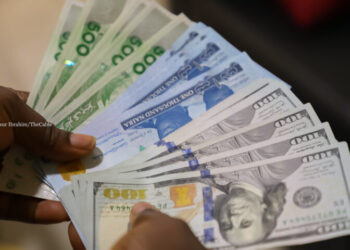
Nigeria’s foreign exchange market experienced a substantial boost in activity during the first half of 2026, with daily trading volumes frequently surpassing $500 million and multiple sessions exceeding $900 million, including a record single-day turnover of $1.82 billion.
Data from the Central Bank of Nigeria (CBN) shows that more than $31 billion was traded in the official market between March and June, reflecting deeper market participation and improved liquidity conditions.
Record Trading Sessions
Some of the most active trading days included:
– May 12: $1.82 billion (the highest daily volume recorded)
– March 10: $1.14 billion
– March 13: $1.13 billion
– June 30: $1.07 billion
Interbank transactions also gained momentum, often ranging between $70 million and $250 million per day, with several sessions recording over 350 individual deals.
Positive Impact on Naira Stability
The increase in trading activity has helped reduce exchange rate volatility. The naira appreciated from N1,431 per dollar at the start of the year to around N1,376 by the end of June a gain of approximately 3.8% over the six-month period.
Analysts attribute the improved stability to stronger market depth, which has allowed the currency to absorb temporary demand pressures more effectively without sharp swings.
This development is viewed as a key outcome of the Central Bank’s ongoing foreign exchange reforms, which have gradually restored confidence and encouraged broader participation in the official market.
The consistent rise in turnover suggests that liquidity is becoming more structural rather than reliant on sporadic interventions, marking a notable step toward a more resilient and efficient foreign exchange system in Nigeria.