Nigeria is bleeding an estimated N428 billion in potential annual revenue due to the thriving illicit trade in spirits and wines, according to the Spirits and Wines Association of Nigeria (SWAN).
Tony Okwoju, Director-General of SWAN, revealed the staggering figure during a high-level stakeholders’ workshop on combating illicit trade held in Abuja. He pointed to a 2024 Euromonitor survey indicating that roughly 40% of all spirits and wines sold in the country are illicit meaning two out of every five bottles in circulation come from illegal sources.
The illicit segment encompasses smuggled goods, tax-evaded products, counterfeits, and items traded through parallel markets. While counterfeit alcohol represents a smaller portion of the problem, experts warn it carries far greater health dangers because of unsafe and unregulated production methods.
Stakeholders Demand Stronger Measures
The workshop brought together over 800 participants, including government regulators, enforcement agencies, industry operators, and policymakers. SWAN’s leadership described the gathering as a platform to develop concrete, actionable strategies against the menace.
Michael Ehindero, President/Managing Director of SWAN, emphasized that illicit trade does not only erode government revenue and undermine legitimate businesses it also endangers public health. Participants highlighted key factors fueling the problem: strong consumer demand for cheaper alternatives, gaps in regulatory oversight, and the pressure of high taxes on formal products.
Counterfeit and illicit alcohol has been repeatedly linked to severe health complications and even fatalities across the country.
Market Snapshot and Consumer Behaviour
Nigeria’s spirits market continues to expand, with bitters commanding the largest share at 38%, followed by whiskey and vodka at 15% each, and gin at 10%.
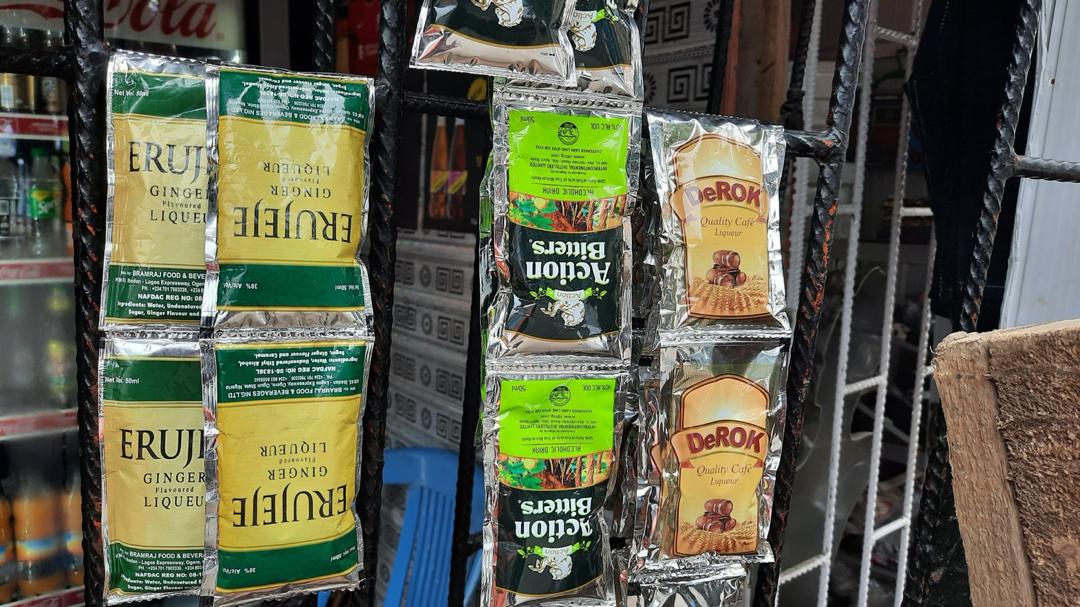
Consumer research shows that taste remains the dominant purchasing factor. On average, Nigerians spend about N7,614 weekly on alcoholic beverages, although the majority spend less than N5,000 per week. Affordable packaging formats, such as sachets, have helped regulated brands remain competitive. However, industry experts caution that overly restrictive policies on these formats could inadvertently drive consumers toward even cheaper, unregulated illicit options.
Call for Collaboration
SWAN and other stakeholders are urging closer cooperation between the private sector, regulators like NAFDAC, and law enforcement agencies to close regulatory loopholes, strengthen border controls, and intensify public awareness campaigns.
They argue that tackling illicit trade is essential not only for protecting government revenue and legitimate investments but also for safeguarding the lives and well-being of Nigerian consumers.
As the workshop concluded, participants called for urgent, coordinated policy interventions and enforcement actions to stem the tide of illicit alcohol flooding the market.