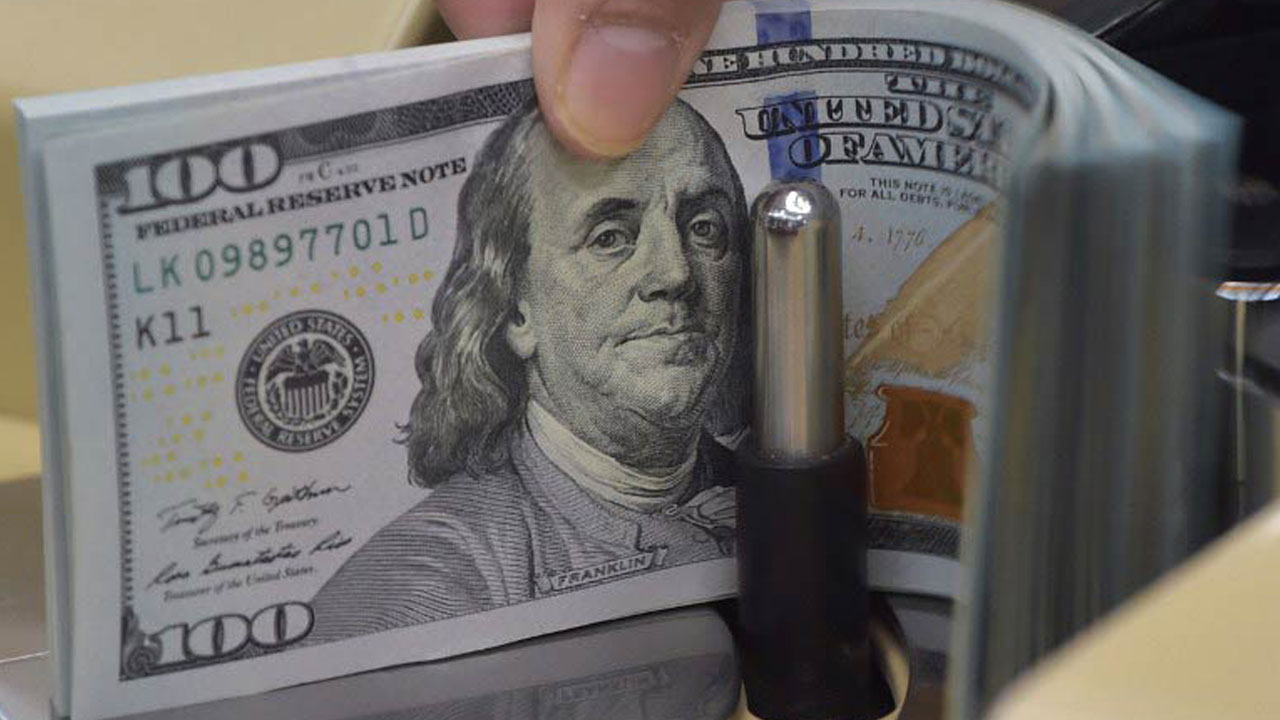
The naira strengthened by about N9 against the US dollar on Tuesday, August 18, 2026, closing at N1,343.32 per dollar in the Nigerian Foreign Exchange Market. The level is the strongest in five months and was supported by improved foreign exchange liquidity and ongoing reforms by the Central Bank of Nigeria.
Data from the official market showed the currency firmed from N1,349.5372 in the previous session. The move highlights the impact of recent Central Bank measures aimed at deepening market liquidity and restoring confidence in the naira.
Factors Behind the Gain
The Central Bank has continued to ease earlier restrictions that limited banks and other financial market operators from accessing Open Market Operations. The change has given participants greater flexibility and helped reduce pressure on the local currency.
Nigeria’s external reserves have also provided support. The Central Bank recently reported that reserves rose to about $52 billion, their highest level in 17 years. The stronger buffer improves the country’s ability to meet foreign exchange obligations and finance imports while bolstering investor confidence.
Inflation Picture Remains Mixed
The relative stability of the naira has coincided with a further decline in headline inflation. The National Bureau of Statistics put the July 2026 rate at 15.43 per cent. Food inflation, however, moved higher, climbing to 20.31 per cent year-on-year from 17.52 per cent in June.
The divergence indicates that currency stability has not yet translated into lower food prices for households. Imported cost pressures remain visible even as the broader inflation trend improves.
Earlier Central Bank Intervention
Separate Central Bank figures show the apex bank significantly increased its foreign exchange sales in March 2026, disposing of $953.41 million in the market. That was the strongest intervention since April 2025.
Spot market transactions accounted for the bulk of the sales, with $950.10 million channelled through that window and a further $3.31 million directed to ministries, departments and agencies. The March total was more than 16 times the $58.93 million sold in January and about 291 per cent higher than the $244.13 million recorded in February.
Implications for the Currency and Economy
Analysts say continued reserve build-up, improved foreign exchange liquidity and greater market transparency could help dampen volatility. For Nigerian businesses, a more stable exchange rate supports better planning, eases imported cost pressures and strengthens investor confidence.
The main risk remains elevated food inflation, which continues to squeeze household budgets. Until improved foreign exchange conditions begin to feed through to food prices, many ordinary Nigerians may not fully feel the benefit of the naira’s recent gains.