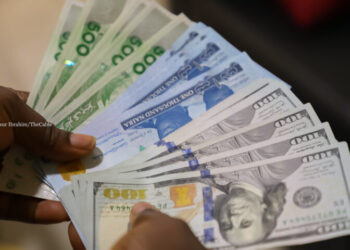
The naira displayed varied performance across foreign exchange markets last week, gaining 1.12% at the official market while slipping 0.49% at the parallel market, according to market data.
At the official market, the naira strengthened to N1,457.95 per dollar, up from N1,475.35 the previous week, bolstered by targeted interventions from the Central Bank of Nigeria (CBN) and increased foreign portfolio investment inflows. Conversely, the parallel market saw a slight depreciation, with the naira closing at N1,491.25 per dollar, reflecting ongoing demand pressures and cautious investor confidence.
Nigeria’s external reserves continued their upward trend, reaching $42.87 billion by Wednesday, a $170 million increase from the prior week. This growth was driven by consistent oil revenues, stronger non-oil inflows, and a sustained trade surplus, supporting the CBN’s efforts to stabilize the currency.
Analysts at Cowry Asset Management Limited forecasted mild pressure on the naira in the near term due to persistent foreign exchange demand and limited market liquidity. However, they noted that steady oil receipts and growing reserves could provide some support. “We’ll keep an eye on CBN interventions and global oil price trends, which will likely influence exchange rate movements,” their weekly report stated.
Afrinvest Research echoed this outlook, predicting the naira would trade within similar ranges across markets unless unexpected disruptions occur.
Looking ahead, the CBN’s renewed focus on currency swaps could bolster the naira’s long-term stability. At the recent IMF/World Bank Annual Meetings in Washington, DC, CBN Governor Olayemi Cardoso acknowledged past challenges with local currency trade agreements but expressed optimism about new frameworks. “With a more competitive naira, we’re working on a structure that benefits all parties,” Cardoso said.
Comercio Partners praised the initiative, highlighting a new N3.28 trillion naira-yuan swap deal aimed at easing trade settlements and reducing dollar reliance. “Previous attempts faltered due to logistical issues and low awareness, but recent forex reforms have strengthened the naira’s position,” they noted in their Traders Voice newsletter. If successful, the deal could enhance trade ties and stabilize reserves, marking a potential turning point for Nigeria’s currency.