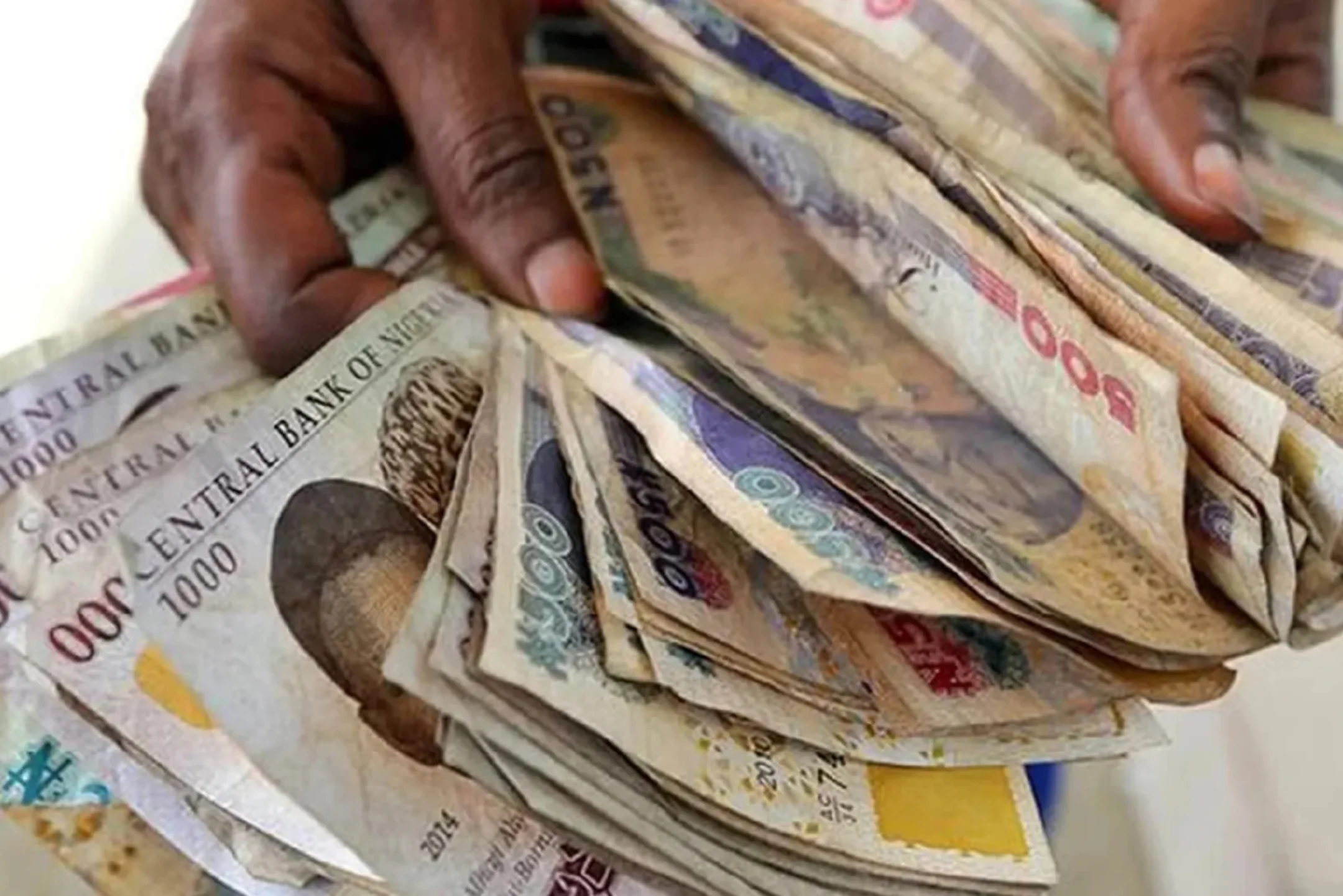
The Nigerian naira closed weaker last week, depreciating by 0.14% to settle at 1,532.34/$ at the Nigerian Foreign Exchange Market (NFEM), despite interventions by the Central Bank of Nigeria (CBN). The currency started the week strongly, reaching a four-month high of 1,518.88/$ on the first trading day, but weakened progressively to 1,530.25/$ and 1,533.11/$ before ending at 1,532.34/$. During the week, the naira fluctuated between a high of 1,538/$ and a low of 1,515/$ on the official market, while trading between 1,535/$ and 1,544/$ on the parallel market.
Analysts at Cowry Assets Management Limited noted mixed performance, with the naira gaining 0.06% to close at 1,544/$ on the parallel market but losing ground officially. They attributed the divergence to supply-demand imbalances and evolving foreign exchange liquidity. However, optimism persists due to improved oil production and rising global oil prices, which are expected to boost dollar inflows. The Nigerian Upstream Petroleum Regulatory Commission reported a 3.6% increase in crude oil output to 1.51 million barrels per day in June 2025, meeting Nigeria’s OPEC quota for the first time in five months.
AIICO Capital Limited highlighted the CBN’s intermittent interventions, including dollar sales that helped maintain relative stability. The nation’s foreign reserves grew by $422 million to $37.85 billion, supporting the naira’s resilience. Analysts anticipate the currency will remain stable in the near term, bolstered by increased oil earnings and capital inflows.
As the CBN’s Monetary Policy Committee (MPC) convenes today, opinions are divided on the next steps. Some analysts advocate for a modest interest rate cut, citing declining inflation and naira stability, while others warn that premature easing could jeopardize recent gains, especially with global risks and food supply challenges persisting. Comercio Partners noted that traders are cautiously positioning, awaiting the MPC’s communique for clarity on future policy direction.
The naira’s performance remains critical to Nigeria’s economic stability, with the CBN’s interventions and oil sector improvements seen as pivotal to sustaining market confidence. Investors are closely monitoring the MPC’s decisions for signals on the currency’s trajectory.