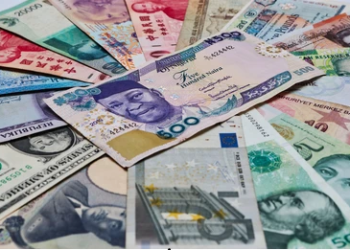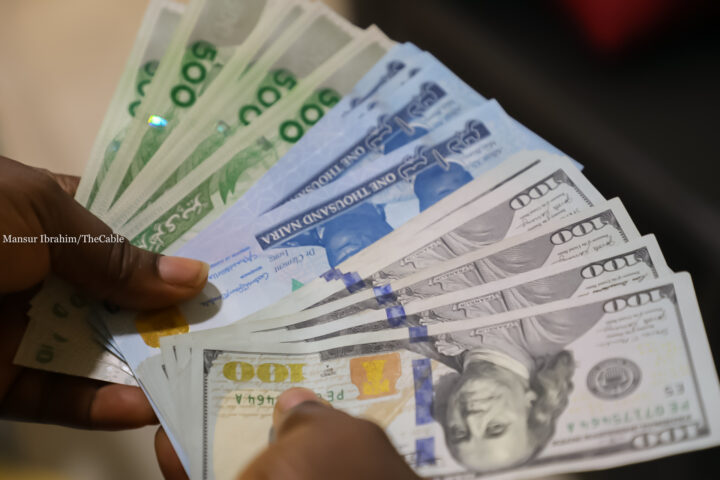
The naira slipped to N1,329.15 per dollar in the official foreign exchange market as renewed demand for international payments weighed on the currency, even while market liquidity improved sharply.
Data from the Nigerian Foreign Exchange Market showed the naira closed at N1,329.15 against the dollar, compared with N1,326.30 in the previous session — a decline of N2.85, or about 0.21 per cent.
Wider Band, Stronger Turnover
The dollar traded in a relatively wide range during the session, with deals completed between N1,326 and N1,333.50. The upper end of that range pointed to pockets of demand as businesses, banks and other participants sought foreign currency to meet overseas obligations.
Trading activity, however, rose markedly. Central Bank of Nigeria figures showed interbank foreign exchange turnover jumped by more than 174 per cent to $262.12 million from $95.61 million a day earlier. The number of interbank deals also increased to 172 from 109. The higher volume points to improved dollar availability even as the naira lost ground.
Parallel Market Moves in Opposite Direction
On the parallel market the naira strengthened to about N1,370 per dollar, a gain of N10 from the previously reported N1,380. The contrasting moves narrowed the gap between the official and parallel rates, a spread closely watched by businesses and investors.
Analysts say recent Central Bank interventions and broader market reforms are helping to limit sharp swings, although demand for dollars remains a significant factor. Analysts at Herwood Securities Limited said the foreign exchange market could stay relatively stable in the near term, with movements largely driven by available liquidity and demand conditions. They added that the naira could continue to record modest fluctuations as participants respond to supply and demand dynamics.
Reserves at Highest Level Since 2008
Providing an additional cushion, Nigeria’s gross external reserves rose to $54.607 billion, supported in part by stronger hydrocarbon revenues. The level is the highest recorded since 2008 and could enhance the Central Bank’s capacity to support foreign exchange liquidity when needed, according to a report by MarketForces Africa.
For businesses and households, the immediate question is whether increased dollar supply can consistently keep pace with demand. With official turnover rising sharply and reserves strengthening, traders will be watching the coming sessions to see whether the naira recovers from its latest decline or faces further pressure.
The naira had strengthened earlier in the official market after the Central Bank injected fresh dollar liquidity, appreciating to N1,328.2154 from N1,329.2129 in the prior session. For importers and other firms sourcing dollars for obligations, the near-term outlook depends on whether the apex bank can keep supply steady enough to prevent the kind of demand-driven slides that pushed the rate higher this week.