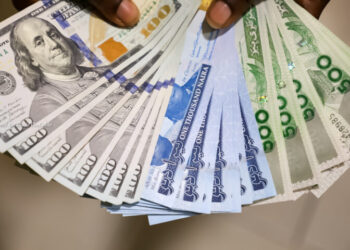
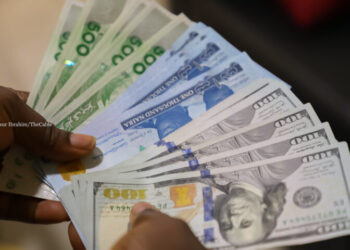
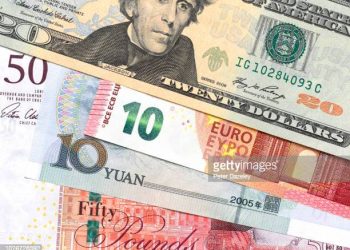
The euro-to-naira exchange rate has remained relatively stable around N1,548 amid the naira’s recent strengthening. The local currency’s appreciation has helped narrow arbitrage opportunities in the parallel market that previously channelled more transactions through official platforms such as the Nigerian Foreign Exchange Market.
The premium that had weighed on the naira against major currencies, including the euro and the dollar, has diminished. The parallel market rate was trading around N1,560 per euro.
Reserves Provide Stronger Backing
Nigeria’s gross external reserves have moved above $54 billion and were fluctuating between $54.08 billion and $54.13 billion, the highest level since December 2008. The build-up gives the Central Bank of Nigeria greater capacity to influence the naira and its cross rates, including the euro-naira pair.
The larger reserve buffer has improved the apex bank’s ability to support the foreign exchange market, allowing greater liquidity with manageable volatility and meeting legitimate corporate and retail demand for foreign currency. Market participants say the stronger position has reduced speculative hoarding and supported expectations of greater currency stability.
Euro Holds Steady Against the Dollar
The euro traded around $1.16 against the US dollar during Thursday’s European session, remaining in a narrow range between $1.1566 and $1.1641 for a third consecutive week. Direction is expected to become clearer after the release of the US August Consumer Price Index. The report is anticipated to show headline inflation at 3.4 per cent and core inflation at 2.4 per cent year-on-year.
Investors are watching the figures for clues on the Federal Reserve’s next policy steps. Expectations of a further hawkish rate move have risen after a higher-than-expected Producer Price Index for August, adding to speculation about additional increases.
Oil and Geopolitical Pressures
Oil prices have climbed above $100 a barrel for the first time in nearly four months amid escalating conflict in the Middle East, intensifying inflation concerns. Iran-backed Houthi forces captured the port of Mocha in Yemen on Thursday and advanced along the Red Sea coast toward strategic islands, according to military sources cited by the BBC. Operational constraints at the Strait of Hormuz and reports that Iran has doubled its ballistic missile production, according to US officials quoted by the Wall Street Journal, have added to market caution.
What the Data Could Mean for the Dollar and Euro
The dollar’s path will hinge largely on the US CPI outcome, particularly the core reading. A surprise increase in core inflation could reinforce a hawkish Fed stance, support a rate rise next week and lift demand for the dollar and bonds. Weaker core figures, by contrast, could soften expectations of a September hike, boost interest in precious metals and reduce the dollar’s appeal.
The US dollar index was stable around 99.1. Given the euro’s large weight in the index (about 57.6 per cent), the dollar has remained near mid-98 support while the euro-dollar pair stays range-bound. Markets are focused on the forthcoming CPI release.
The euro has struggled to attract stronger demand even as another European Central Bank rate increase is still forecast by year-end. ECB President Christine Lagarde warned in Thursday’s policy comments that inflation pressures are likely to remain elevated. The euro-dollar rate has held between 1.1560 and 1.1640 as participants digest recent ECB decisions and await the Federal Reserve’s next moves. A softer US inflation reading could strengthen expectations of earlier Fed easing and potentially push the pair beyond its current technical range.