RateCaptain
  • Home
    • About Us
    • Contact Us
  • FX Rates
  • Money Market
  • Cryptocurrency
  • Commodities
  • Corporates
No Result
View All Result
Subscribe
  • Home
    • About Us
    • Contact Us
  • FX Rates
  • Money Market
  • Cryptocurrency
  • Commodities
  • Corporates
No Result
View All Result
RateCaptain
No Result
View All Result
Home Economy

Nigeria Saves $7.5 Billion Annually from Fuel Subsidy Removal, Presidency Reports

Stephen Akudike by Stephen Akudike
November 25, 2024
in Economy
Reading Time: 2 mins read
A A
0
Top Story: Tinubu Present N27.5 Trillion As 2024 Budget
Share on FacebookShare on TwitterShare on WhatsappShare on Telegram

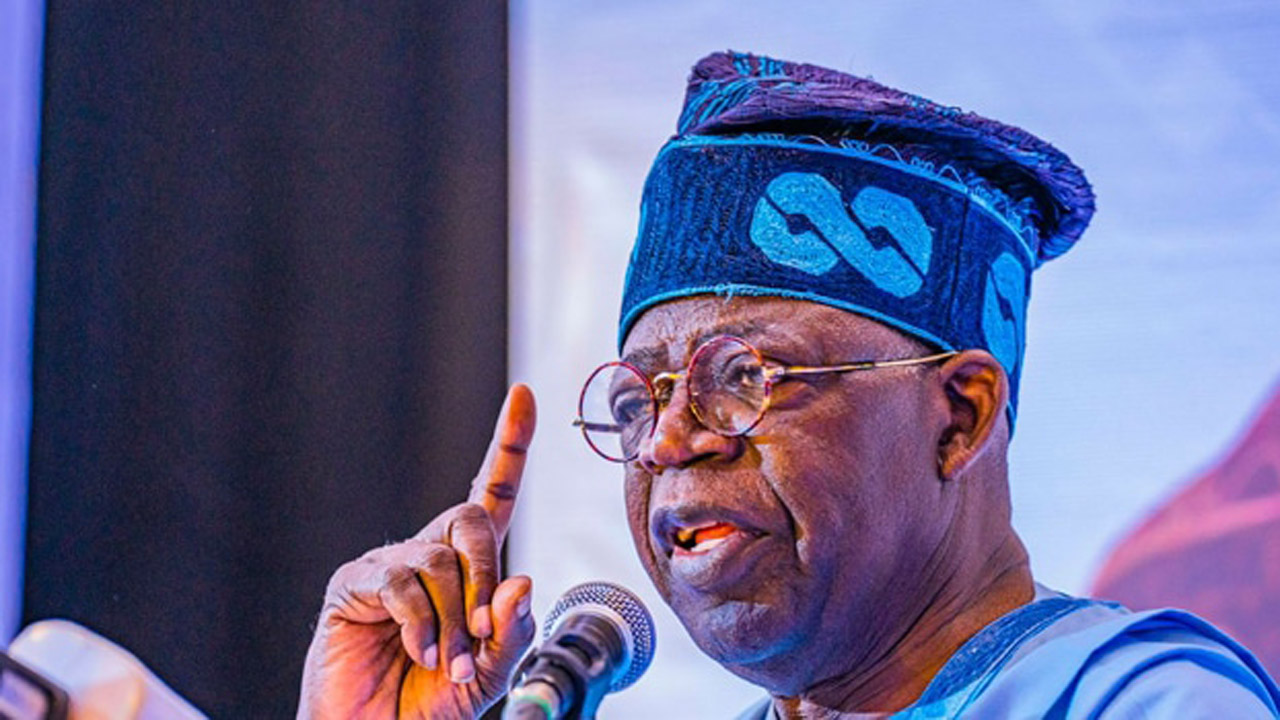
The Nigerian presidency has announced a remarkable annual savings of $7.5 billion following the removal of the longstanding fuel subsidy. This update was shared by Sunday Dare, Special Adviser on Media and Public Communications to President Bola Tinubu, in a briefing outlining recent milestones in the oil and gas sector.

Dare highlighted several achievements under Tinubu’s administration, including the signing of five executive orders aimed at unlocking $2.5 billion in oil and gas investments. Additionally, the introduction of a dual pricing system for petroleum distribution — based on sea and truck transportation — is expected to enhance efficiency in the sector.

AlsoRead

World Bank: Only 44% of Nigeria’s Social Aid Reaches the Poorest

The Double-Edged Sword of VAT in Nigeria: Exploitation or Economic Lifeline?

Lagos Dealers Offer “Ghost Registration” to Beat N140,000 Fee Surge

Fuel Subsidy Removal and Its Impact
The subsidy, which President Tinubu declared “gone” during his inauguration on May 29, 2023, was discontinued in the government’s supplementary budget. This move has drastically shifted fuel prices, with petrol increasing from ₦180 per liter to around ₦620, and further climbing to approximately ₦1,200 per liter a year later.

While the subsidy removal has saved significant funds, critics have raised questions about its impact on Nigerians, as the cost of living has surged due to increased fuel prices. Nevertheless, the presidency maintains that the elimination of subsidies has freed resources for critical investments in education, healthcare, and infrastructure.

Economic Implications
The deregulation of the downstream oil sector has presented challenges and opportunities. For instance, the Nigerian National Petroleum Company Limited (NNPCL) previously absorbed implicit subsidy costs but ultimately ceased doing so due to mounting debts totaling approximately $6 billion.

Despite the gains, there has been debate about the allocation of the savings. The Minister of Finance, Wale Edun, recently claimed that subsidy removal has saved Nigeria over ₦20 trillion. However, questions arose about why the government continues to pursue a $2.2 billion loan to address budgetary shortfalls.

Looking Ahead
The presidency remains optimistic about reforms in the oil and gas sector. The introduction of new policies and investments is expected to stabilize the market, attract foreign investors, and create a more sustainable economy.

As Nigerians adjust to the realities of subsidy removal, the government faces the challenge of ensuring that the reported savings are effectively reinvested to improve the standard of living for all citizens.

Tags: #Nigeriafuel subsidysubsidy removal
Previous Post

FG Raises N346.155 Billion in November Bond Auction Amid Increased Allotments

Next Post

Lawmakers Set for Debate on President Tinubu’s $2.2 Billion Loan Request

Related News

World Bank Extends Nigeria’s Digital Identification Project Deadline Amid Missed Targets

World Bank: Only 44% of Nigeria’s Social Aid Reaches the Poorest

by Jide Omodele
November 12, 2025
0

Billions of naira poured into Nigeria’s social safety nets are largely missing the mark, with just 44% of benefits landing...

The Double-Edged Sword of VAT in Nigeria: Exploitation or Economic Lifeline?

The Double-Edged Sword of VAT in Nigeria: Exploitation or Economic Lifeline?

by Stephen Akudike
November 12, 2025
0

As Nigeria grapples with the fresh implementation of the Nigeria Tax Act 2025, the Value Added Tax (VAT) system has...

Value of tokunbo cars drops by 47% in 2022 – NBS

Lagos Dealers Offer “Ghost Registration” to Beat N140,000 Fee Surge

by Victoria Attah
November 12, 2025
0

As official vehicle registration fees soar past N140,000 in 2025, a parallel black-market network has exploded in Lagos, promising “ghost...

NDIC Begins Verification Exercise for Insured Depositors of Defunct Peak Merchant Bank.

NDIC Gains Stronger Teeth to Prosecute Bank Failures, Speed Up Payouts to Depositors

by Jide Omodele
November 10, 2025
0

The Nigeria Deposit Insurance Corporation (NDIC) has announced a major upgrade in its legal arsenal, enabling it to more aggressively...

Next Post
First Bank, Ecobank, 4 Others Generate N891bn from Loan to Customers in H1 of 2023

Lawmakers Set for Debate on President Tinubu’s $2.2 Billion Loan Request

Leave a Reply Cancel reply

Your email address will not be published. Required fields are marked *

Recommended

World Bank Extends Nigeria’s Digital Identification Project Deadline Amid Missed Targets

World Bank: Only 44% of Nigeria’s Social Aid Reaches the Poorest

November 12, 2025
Nigeria Plans New FX Rules, Targeting 750 Naira Exchange Rate

 Naira Slips for Second Day Running, Hits N1,438.71 per Dollar

November 12, 2025

Popular Story

  • The Double-Edged Sword of VAT in Nigeria: Exploitation or Economic Lifeline?

    The Double-Edged Sword of VAT in Nigeria: Exploitation or Economic Lifeline?

    0 shares
    Share 0 Tweet 0
  •  Naira Slips for Second Day Running, Hits N1,438.71 per Dollar

    0 shares
    Share 0 Tweet 0
  • World Bank: Only 44% of Nigeria’s Social Aid Reaches the Poorest

    0 shares
    Share 0 Tweet 0
  • Lagos Dealers Offer “Ghost Registration” to Beat N140,000 Fee Surge

    0 shares
    Share 0 Tweet 0
  • ASI Soars to Record High, Boosting Equity by N420 Billion

    0 shares
    Share 0 Tweet 0
RateCaptain

RateCaptain

We bring you the most accurate in new and market data. Check our landing page for details.

  • Home
  • About Us
  • Privacy Policy
  • Terms & Conditions
  • Disclaimer
  • Cookie Policy
  • Contact Us

Copyright © 2022 RateCaptain - All rights reserved by RateCaptain.

No Result
View All Result
  • Home
    • About Us
    • Contact Us
  • FX Rates
  • Money Market
  • Cryptocurrency
  • Commodities
  • Corporates

Copyright © 2022 RateCaptain - All rights reserved by RateCaptain.

RateCaptain
Manage Cookie Consent
To provide the best experiences, we use technologies like cookies to store and/or access device information. Consenting to these technologies will allow us to process data such as browsing behavior or unique IDs on this site. Not consenting or withdrawing consent, may adversely affect certain features and functions.
Functional Always active
The technical storage or access is strictly necessary for the legitimate purpose of enabling the use of a specific service explicitly requested by the subscriber or user, or for the sole purpose of carrying out the transmission of a communication over an electronic communications network.
Preferences
The technical storage or access is necessary for the legitimate purpose of storing preferences that are not requested by the subscriber or user.
Statistics
The technical storage or access that is used exclusively for statistical purposes. The technical storage or access that is used exclusively for anonymous statistical purposes. Without a subpoena, voluntary compliance on the part of your Internet Service Provider, or additional records from a third party, information stored or retrieved for this purpose alone cannot usually be used to identify you.
Marketing
The technical storage or access is required to create user profiles to send advertising, or to track the user on a website or across several websites for similar marketing purposes.
Manage options Manage services Manage {vendor_count} vendors Read more about these purposes
View preferences
{title} {title} {title}
?>