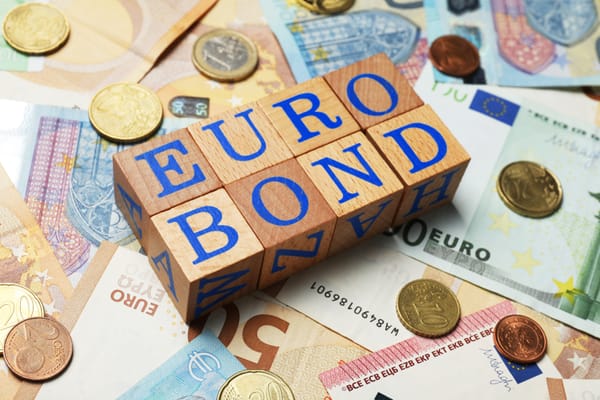
Nigeria is preparing to issue $2.3 billion in eurobonds this week, marking its return to global capital markets for the first time since late 2024, even as investors assess geopolitical risks stemming from U.S. President Donald Trump’s recent warnings of potential military intervention over security concerns.
Sources familiar with the transaction told international media that the West African nation intends to offer 10-year bonds alongside longer-dated 15- or 30-year instruments, subject to final clearance from the Ministry of Justice. The issuance reflects Abuja’s belief in sustained demand for high-yielding emerging-market securities amid favorable global conditions.
The planned sale follows approvals by Nigeria’s National Assembly to raise up to $2.3 billion in external borrowing by year-end, alongside a separate $500 million Islamic sukuk offering.
Favorable Market Conditions Drive African Issuance
Nigeria becomes the latest African sovereign—joining Kenya and Angola—to access international bond markets in 2025, capitalizing on expectations of U.S. Federal Reserve rate reductions and resilient global growth.
JPMorgan Chase & Co. data shows the average yield premium on African government debt over U.S. Treasuries has tightened to 367 basis points, down sharply from April levels, signaling improved investor confidence.
If successful, the transaction would be Nigeria’s first eurobond since raising $2.2 billion in December 2024. Secondary market trading in Nigeria’s existing 2051 eurobond saw prices dip slightly to 91.05 cents on the dollar in recent sessions, lifting yields to 9.14%—still far below the 12.11% high recorded earlier this year.
Brief Delay After Trump Remarks
The offering faced a short postponement following President Trump’s public criticism of Nigeria’s handling of religious violence, in which he accused authorities of failing to safeguard Christian communities and threatened to withhold U.S. assistance. The statements prompted a brief sell-off in Nigerian dollar bonds and the naira.
President Bola Tinubu responded firmly on social media platform X, emphasizing that Nigeria’s constitution ensures protection for citizens of all religions and rejecting external interference in domestic affairs.
Banking Syndicate and Debt Strategy
A consortium of global and local financial institutions has been mandated to manage the deal:
– **Joint lead managers**: Chapel Hill Denham, JPMorgan Chase & Co., Standard Chartered Plc, Citigroup Inc., and Goldman Sachs Group Inc.
– **Financial adviser**: FSDH Merchant Bank Ltd.
A spokesperson for Chapel Hill Denham confirmed its role in the transaction.
Reforms Bolster Investor Confidence
Since assuming office in May 2023, President Tinubu has rolled out investor-friendly policies, including the elimination of fuel subsidies, unification of foreign exchange rates, and tax administration overhaul. These measures have won endorsements from global rating agencies.
Moody’s Ratings recently lifted Nigeria’s credit rating from Caa1 to B3, highlighting strengthened external reserves and fiscal health. The upgrade positions Nigeria closer to rejoining major emerging-market debt benchmarks tracked by institutional investors.
Upcoming Debt Maturities
Nigeria faces two significant external redemptions before the end of 2025:
– **$1.12 billion** eurobond (7.625%, issued November 2018, maturing November 21, 2025)
– **N100 billion** domestic sukuk
Proceeds from the new eurobond are expected to support infrastructure financing and bolster foreign exchange reserves, aligning with the government’s broader debt management framework.
Global emerging-market sovereigns have already issued a record $245 billion in dollar- and euro-denominated bonds in 2025, according to Bloomberg data—the highest annual total since at least 2014.
The successful execution of Nigeria’s eurobond will serve as a key test of international investor sentiment toward Africa’s largest economy amid evolving geopolitical and monetary dynamics.