Nigeria’s departure from the Financial Action Task Force (FATF) grey list has triggered a surge in the naira, pushed foreign reserves beyond $43 billion, and restored investor faith in the nation’s financial framework.
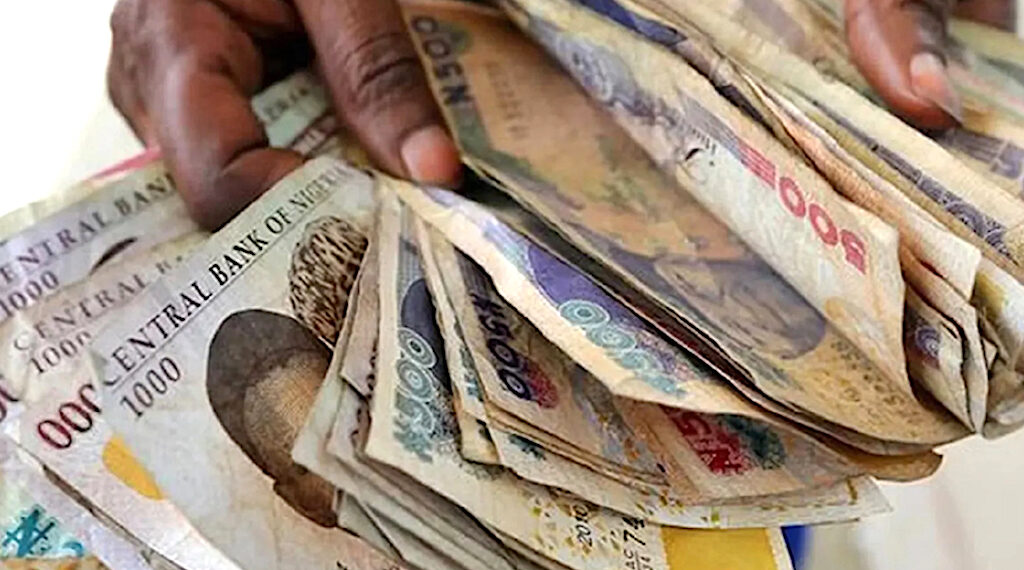
The local currency reached its strongest level in 10 months at N1,444.42 per dollar in the official market on Wednesday, as currency holders liquidated dollar positions amid heightened demand for naira assets. Central Bank of Nigeria (CBN) Governor Olayemi Cardoso attributed the momentum to ongoing market reforms that have enhanced transparency and attracted capital.
The parallel market saw the naira climb to N1,465 per dollar, reflecting broader gains since the FATF announcement on October 24. This marks a 15 percent improvement from N1,661.12 in December 2024 when the Electronic Foreign Exchange Matching System launched, with a daily 0.3 percent advance from N1,448.20 on Tuesday to Wednesday’s close.
External reserves stood at $43.10 billion as of October 28, providing robust backing for the currency’s rally. The delisting is expected to streamline international transactions, simplify overseas banking for Nigerian firms, and draw fresh investments by signaling reduced risks in anti-money laundering and counter-terrorism financing.
Aminu Gwadabe, president of the Association of Bureaux De Change Operators of Nigeria, described the development as a major confidence booster that has eased market pressures and driven a N10 per dollar appreciation in street trading.
In response, Cardoso stated: “This FATF decision validates our reform path and the strengthening of our financial system’s integrity. It stems from aligned efforts across institutions to implement lasting, compliant changes. We will now focus on building on this progress, linking adherence with innovation and reliability to sustain stability and elevate Nigeria’s international standing.”
The FATF, a 40-nation intergovernmental body supported by the World Bank and IMF, establishes global benchmarks to combat illicit finance tied to drug trade, arms smuggling, online scams, and related threats. Nigeria’s removal unlocks greater access to worldwide capital markets and reinforces its economic credibility.