RateCaptain
  • Home
    • About Us
    • Contact Us
  • FX Rates
  • Money Market
  • Cryptocurrency
  • Commodities
  • Corporates
No Result
View All Result
Subscribe
  • Home
    • About Us
    • Contact Us
  • FX Rates
  • Money Market
  • Cryptocurrency
  • Commodities
  • Corporates
No Result
View All Result
RateCaptain
No Result
View All Result
Home Currencies

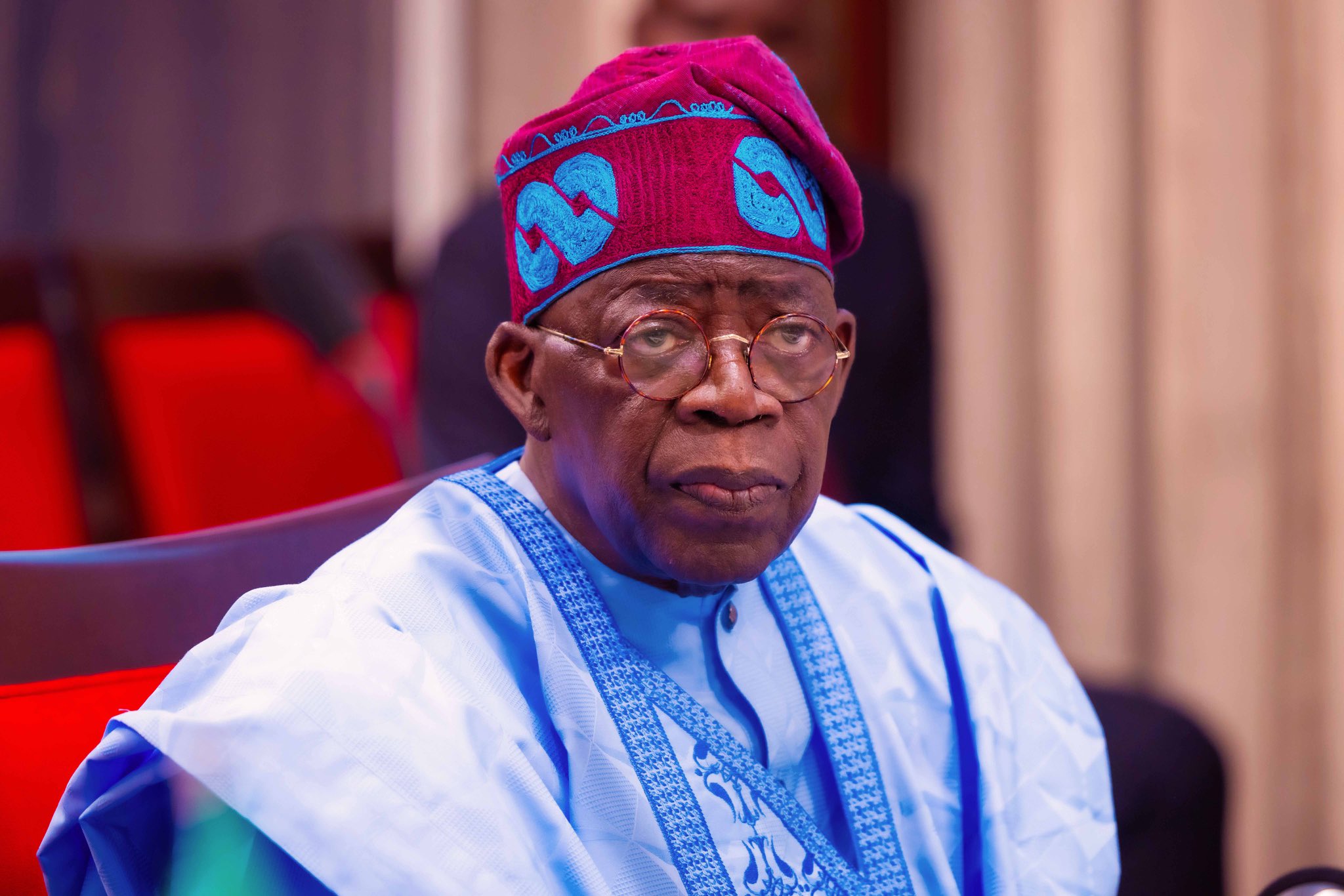
President Tinubu’s Executive Orders Set to Boost Liquidity in Nigeria’s Forex Market

Jide Omodele by Jide Omodele
October 24, 2023
in Currencies, Economy, Politics
Reading Time: 2 mins read
A A
0
President Tinubu’s Executive Orders Set to Boost Liquidity in Nigeria’s Forex Market
Share on FacebookShare on TwitterShare on WhatsappShare on Telegram

In a pivotal move to address the persistent issue of liquidity in Nigeria’s foreign exchange market, President Bola Tinubu has signed two executive orders aimed at bringing unaccounted foreign exchange cash into the official banking system. While these orders are yet to be officially gazetted, experts are heralding them as a potential game-changer for the nation’s economy.

Finance Minister and Coordinating Minister of the Economy, Wale Edun, offered insights into these measures at the 29th Nigeria Economic Summit (#NES29) held in Abuja, emphasizing the urgent need to address the illiquidity in the forex market, which has been plagued by a lack of supply. He stated, “The market is illiquid; it’s not functioning properly because there is no supply, and there are various reasons for that.”

AlsoRead

Nigeria’s Foreign Reserves Rise by $551 Million in Three Weeks

Is the World Underestimating Nigeria?

Dangote Refinery Reduces Aviation Fuel Price to N1,650 per Litre

The first executive order allows, under forbearance, all foreign exchange cash within the domestic economy to be legally integrated into the formal money supply. This measure is seen as an “amnesty” to encourage individuals and entities holding foreign exchange outside the banking system to bring their funds into the official channels.

The second executive order permits the issuance of domestic foreign currency instruments, offering incentives for businesses to source foreign exchange within the country, which is expected to bolster the Nigerian financial system.

Ayokunle Olubunmi, Head of Financial Institutions Ratings at Agusto & Co, stated, “The expectation is that it would bring out some cash into the official market, and this would also encourage more businesses to issue foreign currency instruments within the country.”

With these measures, the Nigerian government aims to channel underutilized foreign exchange funds into productive uses within the official market, thereby enhancing the supply of foreign exchange and rectifying the liquidity crisis.

The move is also intended to curtail transactions taking place through unofficial channels, which have been a concern for regulators. As Olubunmi pointed out, “Some of the transactions that are happening are being done in the unofficial channel. So, they are trying to see how they can bring it into the system.”

In response to these developments, financial experts have suggested that the government may need to relax certain forex restrictions, such as the $10,000 daily cash deposit limit, to further stimulate the market and encourage individuals to bring their foreign exchange holdings into the official system.

Economist Peter Adewale stressed the importance of embracing full digitalization of the forex market and eliminating cash-based transactions to address the supply-side and liquidity challenges effectively. He also called for the removal of restrictions on domiciliary accounts.

Umar Idris, another financial expert, highlighted the potential benefits of digitalizing the links between the foreign exchange and financial systems, making it easier for individuals to release hoarded foreign currency from domiciliary bank accounts to meet the high demand for dollars.

Finance Minister Wale Edun underlined the government’s commitment to digitalizing the foreign exchange market, making it more attractive, and attracting foreign exchange inflows to bolster the nation’s economy.

These measures, when fully implemented, are expected to address the liquidity crisis and restore confidence in Nigeria’s foreign exchange market, contributing to the revitalization of the nation’s economy. President Tinubu’s administration is determined to secure the required foreign exchange resources for this purpose, with a line of sight on $10 billion worth of foreign exchange inflows in the near future.

Tags: #NigeriaAmnestyDomestic economyExecutive OrdersForeign currency instrumentsforeign exchangeForex MarketForex supplyLiquidityOfficial money supplyPresident Bola Tinubu
Previous Post

Kenyan Shilling Hits All-Time Low at 150 to the Dollar, Signaling Economic Turmoil

Next Post

Nigerian Government’s $10 Billion Plan to Tackle Forex Crisis

Related News

Naira depreciates to N755/$ in the parallel market.

Nigeria’s Foreign Reserves Rise by $551 Million in Three Weeks

by Jide Omodele
May 25, 2026
0

Nigeria’s external reserves have recorded a notable recovery in May 2026, climbing by approximately $551 million within the first three...

Exploring the data on multidimensional and monetary poverty in Nigeria.

Is the World Underestimating Nigeria?

by Stephen Akudike
May 21, 2026
0

For years, conversations about the future of global power have sounded familiar. China. The United States. India. Perhaps the European...

Airlines Implement Time-Saving Strategies for More Efficient Operations

Dangote Refinery Reduces Aviation Fuel Price to N1,650 per Litre

by Akpan Edidong
May 21, 2026
0

Dangote Petroleum Refinery & Petrochemicals has announced a significant reduction in the price of Jet A1 (aviation fuel), slashing it...

NEC Affirms CBN $3 Billion Loan for Naira Stability

CBN Denies Heavy Intervention in FX Market, Highlights Minimal Participation

by Jide Omodele
May 21, 2026
0

The Central Bank of Nigeria (CBN) has refuted allegations of aggressive intervention in the foreign exchange market, insisting that its...

Next Post
FG to Reduce Reliance on Foreign Loans

Nigerian Government's $10 Billion Plan to Tackle Forex Crisis

Leave a Reply Cancel reply

Your email address will not be published. Required fields are marked *

Recommended

Airlines Implement Time-Saving Strategies for More Efficient Operations

FAAN Engages International Airlines on Improved Airport Operations and Passenger Experience

May 25, 2026
FMDQ Exchange Records N21.70 Trillion Secondary Market Turnover in October

FMDQ Turnover Hits $180.85 Billion as Trading Volume Surge

May 25, 2026

Popular Story

  • Nigeria’s Debt to China Surges by $800 Million in One Year

    31 Nigerian States Grapple with N2.57 Trillion Domestic Debt Amid No Foreign Inflows

    0 shares
    Share 0 Tweet 0
  • The Dollar Rose To Its Highest in Nearly Three Years Versus The Yen

    0 shares
    Share 0 Tweet 0
  • New AI Undressing Tool Raises Concerns About Privacy and Regulation.

    0 shares
    Share 0 Tweet 0
  • Nigeria Fuel Subsidy Hits Nearly $300 Million a Month, NNPC Says

    0 shares
    Share 0 Tweet 0
  • Rising Drug Prices Blamed on Naira devaluation and Inflation, Pharmacists Reacts

    0 shares
    Share 0 Tweet 0

RateCaptain

We bring you the most accurate in new and market data. Check our landing page for details.

  • Home
  • About Us
  • Privacy Policy
  • Terms & Conditions
  • Disclaimer
  • Cookie Policy
  • Contact Us

Copyright © 2022 RateCaptain - All rights reserved by RateCaptain.

No Result
View All Result
  • Home
    • About Us
    • Contact Us
  • FX Rates
  • Money Market
  • Cryptocurrency
  • Commodities
  • Corporates

Copyright © 2022 RateCaptain - All rights reserved by RateCaptain.

RateCaptain
Manage Cookie Consent
To provide the best experiences, we use technologies like cookies to store and/or access device information. Consenting to these technologies will allow us to process data such as browsing behavior or unique IDs on this site. Not consenting or withdrawing consent, may adversely affect certain features and functions.
Functional Always active
The technical storage or access is strictly necessary for the legitimate purpose of enabling the use of a specific service explicitly requested by the subscriber or user, or for the sole purpose of carrying out the transmission of a communication over an electronic communications network.
Preferences
The technical storage or access is necessary for the legitimate purpose of storing preferences that are not requested by the subscriber or user.
Statistics
The technical storage or access that is used exclusively for statistical purposes. The technical storage or access that is used exclusively for anonymous statistical purposes. Without a subpoena, voluntary compliance on the part of your Internet Service Provider, or additional records from a third party, information stored or retrieved for this purpose alone cannot usually be used to identify you.
Marketing
The technical storage or access is required to create user profiles to send advertising, or to track the user on a website or across several websites for similar marketing purposes.
  • Manage options
  • Manage services
  • Manage {vendor_count} vendors
  • Read more about these purposes
View preferences
  • {title}
  • {title}
  • {title}
?>