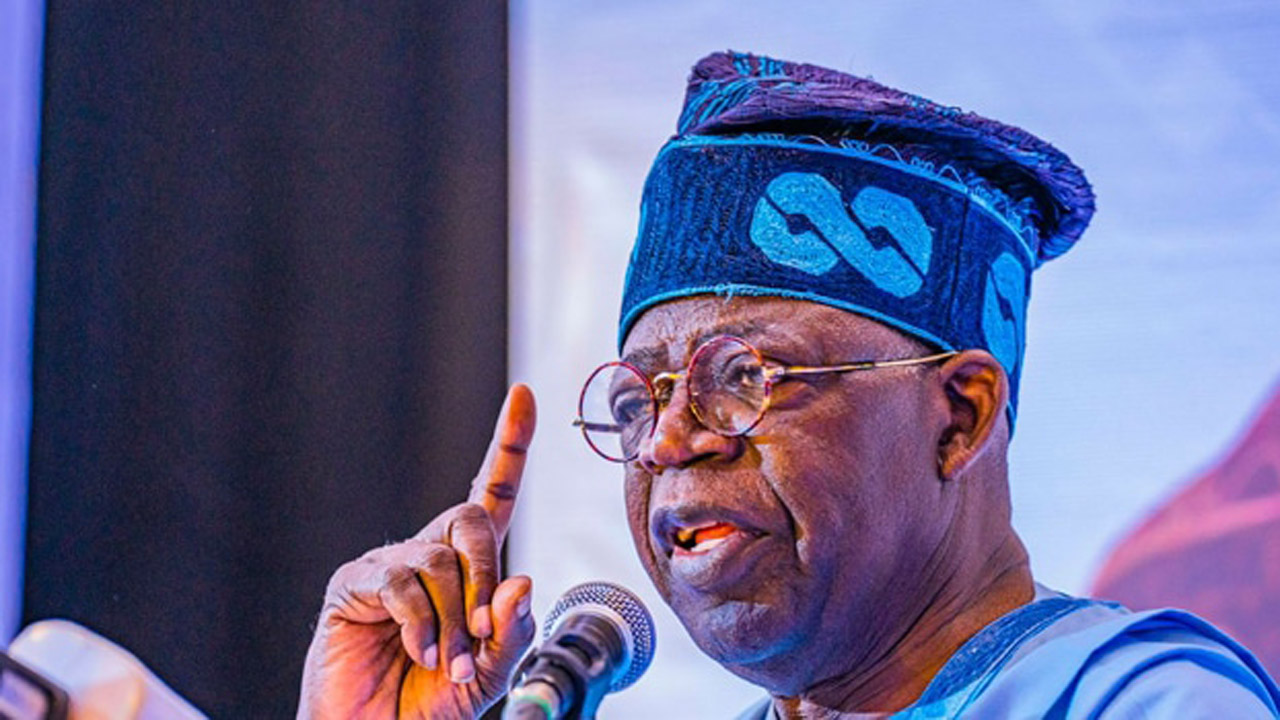
Under President Bola Tinubu’s administration, Nigeria’s solid minerals sector has undergone a transformative overhaul, drawing over $800 million in investments for processing projects in 2024. The reforms, centered on local value addition and stricter licensing regulations, have significantly enhanced the sector’s economic impact, according to Dr. Dele Alake, Minister of Solid Minerals Development.
In a recent interview for a State House documentary marking President Tinubu’s second anniversary, Alake revealed that the sector generated N38 billion in revenue in 2024, a substantial increase from N6 billion the previous year, despite receiving only 18% of its N29 billion budgeted allocation. This growth highlights the effectiveness of the administration’s policy framework, which mandates local processing as a condition for mining licenses, ending the practice of exporting raw minerals.
Major projects driving this progress include a $600 million lithium processing facility near the Kaduna-Niger border, set to be commissioned this quarter, and a $200 million lithium refinery near Abuja, nearing completion. Additionally, two new processing plants in Nasarawa are slated for commissioning by the third quarter of 2025. These initiatives reflect the administration’s commitment to maximizing domestic economic benefits through job creation and technological advancement.
Alake reported that in the first quarter of 2025, the Mining Cadastral Office and Mines Inspectorate generated N6.9 billion and N7 billion, respectively, signaling a strong start to the year. The government has allocated N1 trillion in the current budget for mineral exploration to produce credible geological data, addressing a critical gap that previously deterred investors. Alake noted that Nigeria’s prior exploration spending of $2 million paled in comparison to $300 million in South Africa, underscoring the need for robust data to attract global investment.
To combat illegal mining, the ministry has arrested over 300 individuals, with 150 prosecutions ongoing and nine convictions secured, including foreign nationals. Alongside enforcement, over 250 mining cooperatives have been established to integrate artisanal miners into the formal economy, providing access to financing and revenue-sharing opportunities.
On the international stage, Nigeria has taken a leadership role as chair of the African Mineral Strategy Group, formed in 2024 to promote local beneficiation and equitable mineral trade across Africa. This position, solidified at the Future Minerals Conference in Riyadh, has attracted interest from global players, including the UK, US, Saudi Arabia, and the UAE, with high-level discussions signaling strong confidence in Nigeria’s lithium and critical minerals.