RateCaptain
  • Home
    • About Us
    • Contact Us
  • FX Rates
  • Money Market
  • Cryptocurrency
  • Commodities
  • Corporates
No Result
View All Result
Subscribe
  • Home
    • About Us
    • Contact Us
  • FX Rates
  • Money Market
  • Cryptocurrency
  • Commodities
  • Corporates
No Result
View All Result
RateCaptain
No Result
View All Result
Home Currencies

CBN Approves Additional $20,000 for Each BDC at N1,590/$1, Limits Profit Margins

Stephen Akudike by Stephen Akudike
September 26, 2024
in Currencies, Economy, Money Market
Reading Time: 3 mins read
A A
0
Dollar Index Loses Steam as Treasury Yields Drift Back to 4.8%
Share on FacebookShare on TwitterShare on WhatsappShare on Telegram

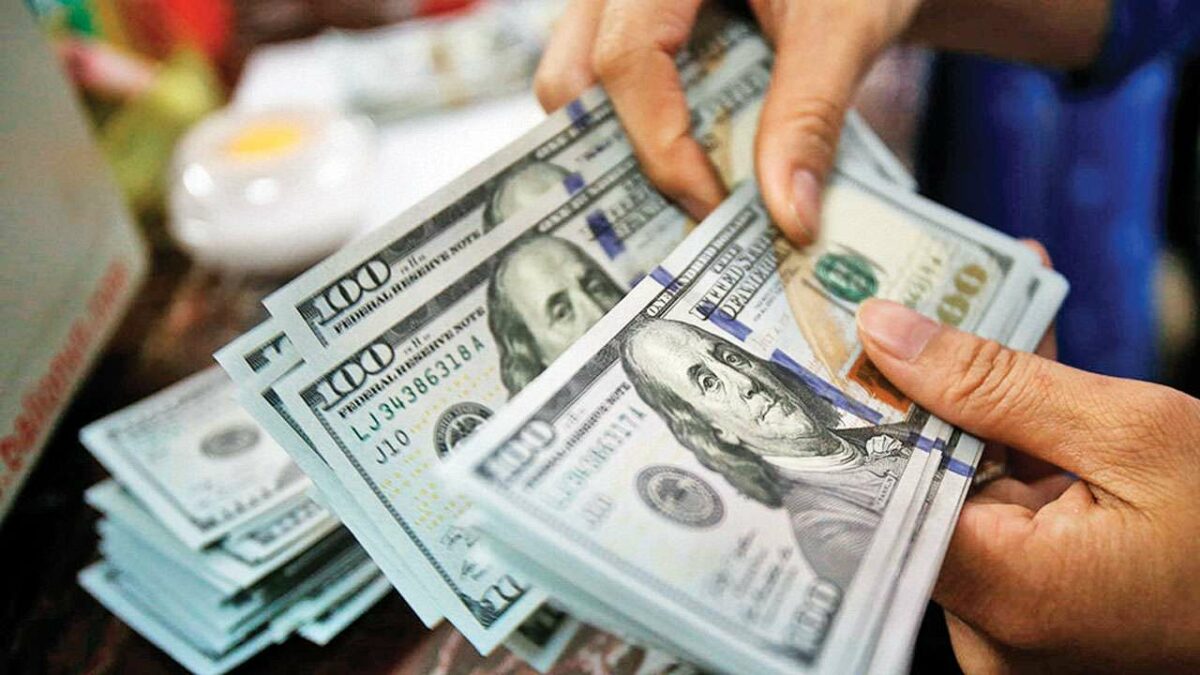
In a bid to stabilize the Nigerian foreign exchange market and meet the rising demand for foreign currencies, the Central Bank of Nigeria (CBN) has approved the sale of an additional $20,000 to eligible Bureau de Change (BDC) operators at a rate of N1,590 per US dollar. This new directive, aimed at increasing liquidity in the retail segment, comes as part of the central bank’s continued efforts to manage the pressure on Nigeria’s foreign exchange reserves.

This announcement, made via a circular on September 25, 2024, and signed by Dr. W.J. Kanya, Acting Director of the CBN’s Trade & Exchange Department, highlights key adjustments in the exchange framework. The new selling rate of N1,590 is N10 higher than the previous rate set earlier in the month, indicating the CBN’s cautious approach to managing the naira’s exchange rate amidst market fluctuations.

AlsoRead

Official FX Turnover Drops 48.7% to $2.71 Billion in One Week

GDP Growth Accelerates to 4.43% in Q2 2026 on Stronger Agriculture and Services

Formal Remittances Reach Record $947 Million in July, Nearing CBN’s $1 Billion Target

Profit Margin Restrictions to Ensure Fair Trading
To maintain market stability and prevent overpricing in the retail market, the CBN has placed strict limits on the profit margins BDC operators can apply. The circular instructs that operators can only sell to end-users with a margin of no more than 1% above the CBN purchase rate. This measure is designed to curb excessive profiteering by BDCs and ensure that foreign exchange reaches consumers at fair rates.

The restrictions are also intended to foster transparency and promote a more stable exchange rate environment, benefiting individuals and businesses involved in foreign exchange transactions for non-physical goods or services. These transactions, often referred to as “invisible transactions,” typically include payments for education, healthcare, personal travel allowances (PTA), and other service-based needs abroad.

How the BDCs Will Access the Funds
Eligible BDC operators interested in this transaction must make naira payments to their designated CBN deposit accounts. Once the payments are confirmed, the operators are required to submit necessary documentation to CBN branches in Abuja, Awka, Kano, and Lagos for disbursement of the $20,000. By implementing this structured approach, the CBN ensures a clear and regulated process for accessing and distributing foreign exchange in the market.

A Strategic Response to Market Demand
The CBN’s decision to inject additional liquidity into the foreign exchange market is seen as a strategic move to meet the increasing demand for dollars, particularly for personal and business transactions. The demand for invisible transactions, such as school fees, medical expenses, and international travel, has been rising steadily, leading to increased pressure on the availability of foreign exchange in the country.

This marks the second sale of foreign exchange to BDC operators by the CBN in September and the seventh sale this year, demonstrating the central bank’s commitment to addressing the liquidity challenges faced by the forex market. With a total of 1,583 registered BDC operators in the country, the latest sale could cost the CBN approximately $31.66 million, and with two sales in the month, the total expenditure is projected to reach $63.32 million.

Impact on Nigeria’s Foreign Exchange Market
This move by the CBN is expected to alleviate some of the pressure on the naira by increasing access to dollars in the market. However, the upward adjustment in the exchange rate for BDCs—from N1,580 to N1,590—signals that the central bank is carefully monitoring the market and balancing the need for liquidity with efforts to maintain the stability of the naira.

With Nigeria’s foreign exchange market under strain from various economic factors, including high inflation, declining oil revenues, and the volatility of the global economy, the CBN’s proactive interventions aim to create a more stable environment. The additional liquidity provided by this sale will likely help ease some of the market pressures, though challenges remain in managing the long-term stability of the naira.

Looking Ahead**
As Nigeria continues to face economic headwinds, the CBN’s policies around forex management will remain critical in stabilizing the currency and ensuring the availability of foreign exchange for key sectors. The restrictions on profit margins and the structured distribution of forex are likely to keep speculation in check while providing much-needed liquidity to consumers and businesses.

For now, the central bank’s decision to intervene in the market with these measures is seen as a positive step toward addressing the country’s foreign exchange challenges. However, how effective these interventions will be in the long run depends on the overall health of the economy and global market conditions, which continue to impact Nigeria’s forex landscape.

Tags: Bureau De ChangeCBNforeign exchangeforexprofit margin
Previous Post

Underground Crypto Trading in China Surges to $75 Billion Despite Official Ban

Next Post

US Court Did Not Order Seizure of Nigeria’s $21 Million – AGF

Related News

Nigeria Plans New FX Rules, Targeting 750 Naira Exchange Rate

Official FX Turnover Drops 48.7% to $2.71 Billion in One Week

by Jide Omodele
September 1, 2026
0

Foreign exchange turnover at Nigeria’s official market fell sharply by 48.7 per cent week-on-week to $2.71 billion in the week...

Nigeria’s GDP increased by 3.52% in the fourth quarter of 2022.

GDP Growth Accelerates to 4.43% in Q2 2026 on Stronger Agriculture and Services

by Victoria Attah
September 1, 2026
0

Nigeria’s real Gross Domestic Product expanded by 4.43 per cent year-on-year in the second quarter of 2026, up from 4.23...

China Cuts Key Interest Rates to Stimulate Growth: What Nigeria Can Learn

Formal Remittances Reach Record $947 Million in July, Nearing CBN’s $1 Billion Target

by Jide Omodele
August 31, 2026
0

Nigeria received $947 million in remittance inflows through International Money Transfer Operators in July 2026, the highest monthly figure ever...

Airtel, Glo, and 9mobile experienced a loss of 4,765 customers to MTN in Q1 2023.

Nigerians Spend Estimated N3.67 Trillion on Internet Data in First Half of 2026

by Victoria Attah
August 31, 2026
0

Nigerians spent an estimated N3.67 trillion on internet data in the first half of 2026, according to calculations based on...

Next Post
NGX Fines Banks N76.8 Million for Late Financial Reporting

US Court Did Not Order Seizure of Nigeria's $21 Million – AGF

Leave a Reply Cancel reply

Your email address will not be published. Required fields are marked *

Recommended

CBN Revokes Heritage Bank Plc’s Banking License

Heritage Bank Depositors Demand Full Refunds, Urge FG, CBN and NDIC to Act

September 1, 2026
Nigeria Plans New FX Rules, Targeting 750 Naira Exchange Rate

Official FX Turnover Drops 48.7% to $2.71 Billion in One Week

September 1, 2026

Popular Story

  • CBN Revokes Heritage Bank Plc’s Banking License

    Heritage Bank Depositors Demand Full Refunds, Urge FG, CBN and NDIC to Act

    0 shares
    Share 0 Tweet 0
  • Official FX Turnover Drops 48.7% to $2.71 Billion in One Week

    0 shares
    Share 0 Tweet 0
  • 31 Nigerian States Grapple with N2.57 Trillion Domestic Debt Amid No Foreign Inflows

    0 shares
    Share 0 Tweet 0
  • Nigeria’s Crude Oil Output Rises to 1.459 Million bpd in January 2026, Still Below OPEC Quota

    0 shares
    Share 0 Tweet 0
  • China’s Exports to Nigeria Hit Record $24.9 Billion in 2025, Widening Trade Imbalance

    0 shares
    Share 0 Tweet 0

RateCaptain

We bring you the most accurate in new and market data. Check our landing page for details.

  • Home
  • About Us
  • Privacy Policy
  • Terms & Conditions
  • Disclaimer
  • Cookie Policy
  • Contact Us

Copyright © 2022 RateCaptain - All rights reserved by RateCaptain.

No Result
View All Result
  • Home
    • About Us
    • Contact Us
  • FX Rates
  • Money Market
  • Cryptocurrency
  • Commodities
  • Corporates

Copyright © 2022 RateCaptain - All rights reserved by RateCaptain.

RateCaptain
Manage Cookie Consent
To provide the best experiences, we use technologies like cookies to store and/or access device information. Consenting to these technologies will allow us to process data such as browsing behavior or unique IDs on this site. Not consenting or withdrawing consent, may adversely affect certain features and functions.
Functional Always active
The technical storage or access is strictly necessary for the legitimate purpose of enabling the use of a specific service explicitly requested by the subscriber or user, or for the sole purpose of carrying out the transmission of a communication over an electronic communications network.
Preferences
The technical storage or access is necessary for the legitimate purpose of storing preferences that are not requested by the subscriber or user.
Statistics
The technical storage or access that is used exclusively for statistical purposes. The technical storage or access that is used exclusively for anonymous statistical purposes. Without a subpoena, voluntary compliance on the part of your Internet Service Provider, or additional records from a third party, information stored or retrieved for this purpose alone cannot usually be used to identify you.
Marketing
The technical storage or access is required to create user profiles to send advertising, or to track the user on a website or across several websites for similar marketing purposes.
  • Manage options
  • Manage services
  • Manage {vendor_count} vendors
  • Read more about these purposes
View preferences
  • {title}
  • {title}
  • {title}
?>