RateCaptain
  • Home
    • About Us
    • Contact Us
  • FX Rates
  • Money Market
  • Cryptocurrency
  • Commodities
  • Corporates
No Result
View All Result
Subscribe
  • Home
    • About Us
    • Contact Us
  • FX Rates
  • Money Market
  • Cryptocurrency
  • Commodities
  • Corporates
No Result
View All Result
RateCaptain
No Result
View All Result
Home Economy

EU Delists Nigeria from High-Risk Jurisdictions for Money Laundering and Terrorism Financing

Jide Omodele by Jide Omodele
January 16, 2026
in Economy
Reading Time: 2 mins read
A A
0
GDP in Euro Area Declines by 0.1%, While EU Records a Modest 0.1% Increase
Share on FacebookShare on TwitterShare on WhatsappShare on Telegram

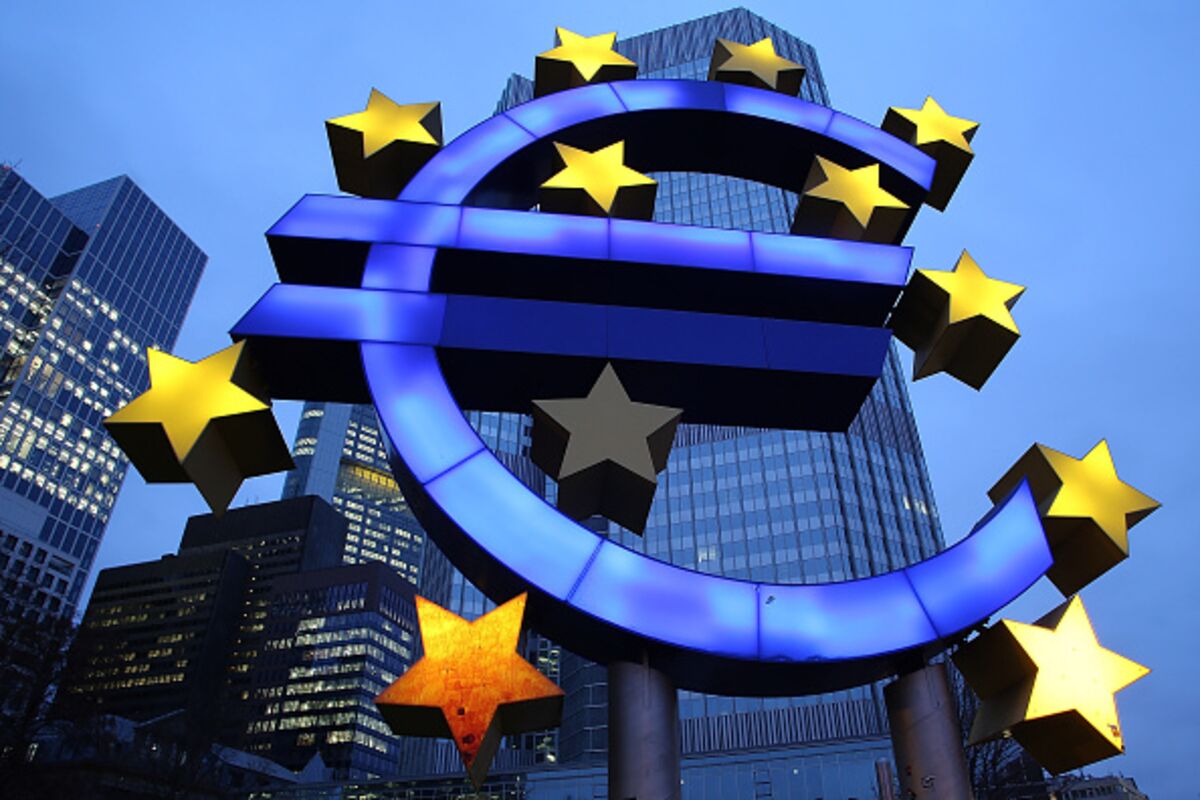
In a major diplomatic and economic win for Nigeria, the European Union has officially removed the country from its list of high-risk third countries for money laundering and terrorism financing, effective January 29, 2026, pending final procedural approval by the European Parliament and Council.

The European Commission announced the update on its website, citing Nigeria’s successful completion of key reforms and its earlier exit from the Financial Action Task Force (FATF) greylist in October 2025. The decision lifts enhanced due diligence requirements that had previously applied to all financial transactions involving Nigeria, a measure that often increased costs, delayed payments, and strained correspondent banking relationships for Nigerian entities.

AlsoRead

Naira Breaks Below N1,400 as Oil Rally and CBN Reforms Fuel Fresh Stability

Larger Disparities Boom Between Black Market and Official Rates

Emefiele’s Naira Redesign Memo Takes Centre Stage in EFCC Trial

“The EU has delisted a number of jurisdictions, including Burkina Faso, Mali, Mozambique, Nigeria, South Africa and Tanzania,” the Commission stated, while adding Bolivia and the British Virgin Islands to the high-risk list. Entities operating under the EU’s anti-money laundering framework will no longer need to apply heightened scrutiny to Nigerian-related transactions once the change takes effect.

The removal follows Nigeria’s intensive efforts to strengthen its anti-money laundering (AML) and counter-terrorism financing (CTF) regime, including legislative updates, improved regulatory oversight, better asset recovery mechanisms, and enhanced international cooperation.

Finance Minister Wale Edun described the development as a “landmark achievement” that sends a powerful signal to global investors. Speaking at the Nigerian Economic Summit Group’s 2026 Macroeconomic Outlook Presentation in Lagos on Thursday, he said: “Exiting the EU high-risk list demonstrates Nigeria’s commitment to a stable, credible, and transparent business environment. This will support smoother trade, easier remittances, and stronger capital inflows.”

Minister of State for Finance Dr Doris Uzoka-Anite echoed the sentiment in a post on X, calling it a “big win for Nigeria” and congratulating President Bola Tinubu on the milestone. “This achievement is a major boost for trade and investor confidence,” she wrote.

The delisting is expected to deliver tangible benefits across Nigeria’s economy. Businesses, banks, fintech companies, exporters, and diaspora remitters will face fewer compliance barriers when dealing with European partners, potentially reducing transaction costs and improving the speed and reliability of cross-border payments.

For years, high-risk classification had made it more expensive and cumbersome for Nigerian institutions to maintain correspondent banking ties with European banks, sometimes leading to de-risking or account closures. The change is seen as a key step in restoring full access to global financial networks and supporting the government’s broader push to attract foreign direct investment.

Nigeria’s journey out of the FATF greylist last year — after demonstrating significant progress on 21 action items — paved the way for this EU decision. The FATF’s June and October 2025 plenaries provided the technical foundation for the Commission’s move.

While the delisting marks important progress, experts note that sustaining reforms will be crucial to prevent future setbacks. For now, however, Nigerian officials and business leaders are celebrating a clear vote of confidence from one of the world’s largest economic blocs — one that could help unlock new opportunities in trade, investment, and financial integration in 2026 and beyond.
Previous Post

Nigeria Still Imports 1.3 Billion Litres of Petrol in December Despite Dangote’s Growing Output

Next Post

NGX Caps Strong Week with 2.36% Rally, Market Cap Crosses N106 Trillion

Related News

Angola Surpasses Nigeria, Becomes Africa’s Largest Oil Producer in August

Naira Breaks Below N1,400 as Oil Rally and CBN Reforms Fuel Fresh Stability

by Akpan Edidong
February 5, 2026
0

Nigeria’s naira has strengthened markedly in the official foreign exchange market, closing January at N1,386.55 per US dollar  its firmest...

Naira Surges Against US Dollar, Falls Below N1,000 Mark

Larger Disparities Boom Between Black Market and Official Rates

by Stephen Akudike
February 5, 2026
0

The gap between Nigeria’s official and parallel (black market) exchange rates has widened to over 6%, reviving fears of renewed...

U.S. Steps In on Emefiele Trial, Alleges Human Rights Violations

Emefiele’s Naira Redesign Memo Takes Centre Stage in EFCC Trial

by Victoria Attah
February 5, 2026
0

A 2022 memo from former Central Bank of Nigeria (CBN) Governor Godwin Emefiele seeking presidential approval for the controversial naira...

FG Allocates N5.1 Billion for Presidential Yacht and N5.5 Billion For Student Loans

Government Securities Now 11% of Nigerian Banks’ Assets as Credit Growth Lags

by Stephen Akudike
February 4, 2026
0

Nigerian banks’ exposure to government securities has risen sharply in recent years, now accounting for approximately 11% of their total...

Next Post
Nigerian Equity Market Sees Impressive N1.08tn Wealth Gain Amidst Bullish Trading.

NGX Caps Strong Week with 2.36% Rally, Market Cap Crosses N106 Trillion

Leave a Reply Cancel reply

Your email address will not be published. Required fields are marked *

Recommended

Angola Surpasses Nigeria, Becomes Africa’s Largest Oil Producer in August

Naira Breaks Below N1,400 as Oil Rally and CBN Reforms Fuel Fresh Stability

February 5, 2026
Naira Surges Against US Dollar, Falls Below N1,000 Mark

Larger Disparities Boom Between Black Market and Official Rates

February 5, 2026

Popular Story

  • Ethereum sticks on a bullish trend

    Ethereum sticks on a bullish trend

    0 shares
    Share 0 Tweet 0
  • See what OPEC ministers are saying at the oil cartel’s landmark meeting

    0 shares
    Share 0 Tweet 0
  • Buhari Promises to Re-invest Recovered Loots in Infrastructure

    0 shares
    Share 0 Tweet 0
  • N20 billion Osara water project to generate over 1,000 jobs

    0 shares
    Share 0 Tweet 0
  • Microsoft okays $100m for Lagos, others devt centres

    0 shares
    Share 0 Tweet 0
RateCaptain

RateCaptain

We bring you the most accurate in new and market data. Check our landing page for details.

  • Home
  • About Us
  • Privacy Policy
  • Terms & Conditions
  • Disclaimer
  • Cookie Policy
  • Contact Us

Copyright © 2022 RateCaptain - All rights reserved by RateCaptain.

No Result
View All Result
  • Home
    • About Us
    • Contact Us
  • FX Rates
  • Money Market
  • Cryptocurrency
  • Commodities
  • Corporates

Copyright © 2022 RateCaptain - All rights reserved by RateCaptain.

RateCaptain
Manage Cookie Consent
To provide the best experiences, we use technologies like cookies to store and/or access device information. Consenting to these technologies will allow us to process data such as browsing behavior or unique IDs on this site. Not consenting or withdrawing consent, may adversely affect certain features and functions.
Functional Always active
The technical storage or access is strictly necessary for the legitimate purpose of enabling the use of a specific service explicitly requested by the subscriber or user, or for the sole purpose of carrying out the transmission of a communication over an electronic communications network.
Preferences
The technical storage or access is necessary for the legitimate purpose of storing preferences that are not requested by the subscriber or user.
Statistics
The technical storage or access that is used exclusively for statistical purposes. The technical storage or access that is used exclusively for anonymous statistical purposes. Without a subpoena, voluntary compliance on the part of your Internet Service Provider, or additional records from a third party, information stored or retrieved for this purpose alone cannot usually be used to identify you.
Marketing
The technical storage or access is required to create user profiles to send advertising, or to track the user on a website or across several websites for similar marketing purposes.
  • Manage options
  • Manage services
  • Manage {vendor_count} vendors
  • Read more about these purposes
View preferences
  • {title}
  • {title}
  • {title}
?>