RateCaptain
  • Home
    • About Us
    • Contact Us
  • FX Rates
  • Money Market
  • Cryptocurrency
  • Commodities
  • Corporates
No Result
View All Result
Subscribe
  • Home
    • About Us
    • Contact Us
  • FX Rates
  • Money Market
  • Cryptocurrency
  • Commodities
  • Corporates
No Result
View All Result
RateCaptain
No Result
View All Result
Home Economy

FG to Phase Out Electricity Subsidy, Introduce Cost-Reflective Tariffs Within a Year

Victoria Attah by Victoria Attah
July 24, 2026
in Economy
Reading Time: 2 mins read
A A
0
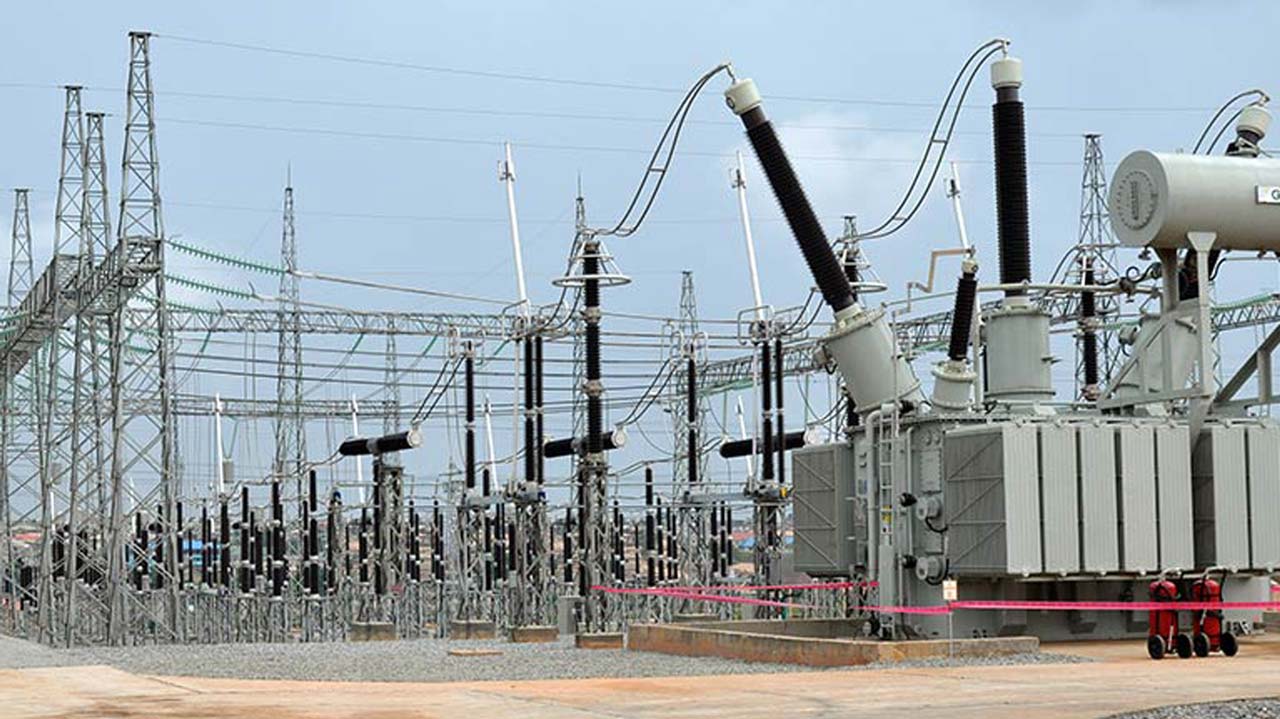
Nigeria Exports Electricity Worth N23bn as Local Consumers Suffer Outages.
Share on FacebookShare on TwitterShare on WhatsappShare on Telegram

The Federal Government has confirmed plans to gradually eliminate electricity subsidies and fully implement cost-reflective tariffs across Nigeria’s power sector.

Special Adviser to the President on Power Infrastructure, Sadiq Wanka, made the announcement during the Asharami Square 3.0 event organised by Sahara Group in Lagos on Wednesday, July 22, 2026.

AlsoRead

CBN Keeps Benchmark Rate at 26.5% as MPC Maintains Tight Monetary Policy

Foreign Reserves Cross $52 Billion, Highest Level in 17 Years

Nigeria’s $40 Billion Blockchain Ambition Lags as Focus Shifts to Crypto Regulation

Wanka acknowledged that the shift to cost-reflective pricing is one of the most sensitive issues in the sector. He noted that the government has already begun the process with Band A customers and intends to extend it to other categories within the next year, alongside measures to protect vulnerable households through a proposed Power Consumer Assistance Fund.

Addressing Investment Shortfall

Wanka highlighted that Nigeria’s electricity industry still lags behind many comparable emerging economies. The country currently attracts around $1 billion in annual investment across generation, transmission, and distribution far below the $9 billion to $12 billion required yearly through 2045 to achieve universal access and meet growing industrial demand.

He estimated that total investment needs for the sector could reach approximately $121 billion over the next two decades.

Implications for Consumers and Economy

The planned removal of subsidies is likely to increase power bills for many households and businesses in the short term. However, the government has pledged to cushion the impact on low-income groups through targeted support via the Power Consumer Assistance Fund.

For businesses, more reliable electricity supply driven by higher investment could reduce reliance on expensive diesel generators, potentially lowering operating costs and supporting the naira by reducing demand for imported fuel.

The announcement reflects the government’s commitment to addressing long-standing challenges in the power sector through a combination of tariff reform, consumer protection measures, and significantly increased investment. The success of this transition will be critical for improving electricity access and supporting Nigeria’s broader economic growth objectives.

Tags: #economyDiscoFG
Previous Post

Naira Strengthens as FX Turnover Hits Record $1.5 Billion in a Single Day

Related News

$26 Billion for unidentified source passed through Binance-Cardoso

CBN Keeps Benchmark Rate at 26.5% as MPC Maintains Tight Monetary Policy

by Stephen Akudike
July 22, 2026
0

The Central Bank of Nigeria (CBN) has decided to retain the Monetary Policy Rate (MPR) at 26.5%, maintaining its tight...

Nigeria’s Foreign Reserve Records a Slight Increase of $12 Million

Foreign Reserves Cross $52 Billion, Highest Level in 17 Years

by Jide Omodele
July 22, 2026
0

Nigeria’s external reserves have reached $52.02 billion, marking the highest level recorded in more than 17 years and surpassing the...

CBN Scrambles over Nigeria’s Cryptocurrency Problem

Nigeria’s $40 Billion Blockchain Ambition Lags as Focus Shifts to Crypto Regulation

by Bolarinwa Mathew
July 22, 2026
0

Nigeria’s national blockchain policy, launched three years ago with the potential to generate up to $40 billion in economic value,...

Nigeria Expends More Than $1 Billion Subsidizing Fuel in August as Petrol Supply Increases

Depots Increase Petrol Prices to N1,230 per Litre Following Dangote Refinery’s Pricing Shift

by Akpan Edidong
July 21, 2026
0

Private fuel depot owners across Nigeria have raised the price of petrol to between N1,200 and N1,230 per litre after...

Leave a Reply Cancel reply

Your email address will not be published. Required fields are marked *

Recommended

Nigeria Exports Electricity Worth N23bn as Local Consumers Suffer Outages.

FG to Phase Out Electricity Subsidy, Introduce Cost-Reflective Tariffs Within a Year

July 24, 2026
NEC Affirms CBN $3 Billion Loan for Naira Stability

Naira Strengthens as FX Turnover Hits Record $1.5 Billion in a Single Day

July 24, 2026

Popular Story

  • Nigeria’s Debt to China Surges by $800 Million in One Year

    31 Nigerian States Grapple with N2.57 Trillion Domestic Debt Amid No Foreign Inflows

    0 shares
    Share 0 Tweet 0
  • Naira Strengthens to N1,375/$ in Official Market Amid Improved Trading Conditions

    0 shares
    Share 0 Tweet 0
  • Nigeria’s $40 Billion Blockchain Ambition Lags as Focus Shifts to Crypto Regulation

    0 shares
    Share 0 Tweet 0
  • Nigerian Crude Surges to 10-Day High as US-Iran Tensions Disrupt Key Oil Route

    0 shares
    Share 0 Tweet 0
  • Cryptocurrency Rave as Bitcoin Exceeds $60,000 Mark for First Time Since 2022

    0 shares
    Share 0 Tweet 0

RateCaptain

We bring you the most accurate in new and market data. Check our landing page for details.

  • Home
  • About Us
  • Privacy Policy
  • Terms & Conditions
  • Disclaimer
  • Cookie Policy
  • Contact Us

Copyright © 2022 RateCaptain - All rights reserved by RateCaptain.

No Result
View All Result
  • Home
    • About Us
    • Contact Us
  • FX Rates
  • Money Market
  • Cryptocurrency
  • Commodities
  • Corporates

Copyright © 2022 RateCaptain - All rights reserved by RateCaptain.

RateCaptain
Manage Cookie Consent
To provide the best experiences, we use technologies like cookies to store and/or access device information. Consenting to these technologies will allow us to process data such as browsing behavior or unique IDs on this site. Not consenting or withdrawing consent, may adversely affect certain features and functions.
Functional Always active
The technical storage or access is strictly necessary for the legitimate purpose of enabling the use of a specific service explicitly requested by the subscriber or user, or for the sole purpose of carrying out the transmission of a communication over an electronic communications network.
Preferences
The technical storage or access is necessary for the legitimate purpose of storing preferences that are not requested by the subscriber or user.
Statistics
The technical storage or access that is used exclusively for statistical purposes. The technical storage or access that is used exclusively for anonymous statistical purposes. Without a subpoena, voluntary compliance on the part of your Internet Service Provider, or additional records from a third party, information stored or retrieved for this purpose alone cannot usually be used to identify you.
Marketing
The technical storage or access is required to create user profiles to send advertising, or to track the user on a website or across several websites for similar marketing purposes.
  • Manage options
  • Manage services
  • Manage {vendor_count} vendors
  • Read more about these purposes
View preferences
  • {title}
  • {title}
  • {title}
?>