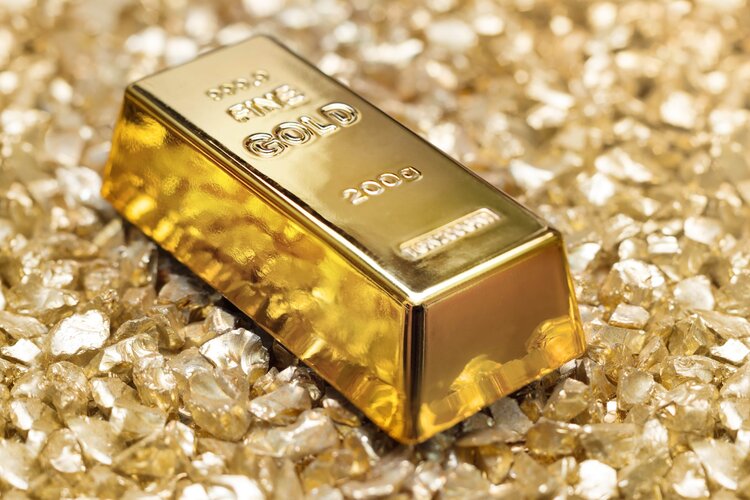
Gold’s value has skyrocketed by 42.8% from September 2024 to September 2025, smashing through an all-time peak of $3,650 per ounce and pushing even higher into October, with fleeting spikes beyond $3,800.
This remarkable ascent stems from a depreciating U.S. dollar, stubborn inflation, and mounting global tensions, drawing investors toward the precious metal as a bulwark against uncertainty.
For Nigeria, the windfall is tangible: The Central Bank of Nigeria’s stockpile of 687,402 troy ounces—equivalent to about 21.38 metric tons—as of late 2024 now commands a staggering N3.7 trillion at prevailing rates.
Central Banks Fuel the Fire
Worldwide, monetary authorities are ramping up gold acquisitions, viewing it as a cornerstone for reserve diversification. Data from the World Gold Council shows that by August 2025, seven central banks had bolstered their holdings with at least one tonne each, compared to just two that trimmed back.
Standout accumulators include the Bank of Ghana, which scooped up 2 tonnes last month, lifting its 2025 tally to 5 tonnes and pushing total reserves to 36 tonnes. China’s central bank followed suit with another 2-tonne purchase—its 10th month in a row—elevating holdings above 2,300 tonnes, or roughly 7% of its foreign reserves.
Kazakhstan’s National Bank made the biggest splash, adding 8 tonnes in its sixth consecutive buying spree, swelling reserves to 316 tonnes—32 tonnes more than at the close of 2024.
On the flip side, Russia shed 3 tonnes, likely to support domestic coin production, while Indonesia cut 2 tonnes.
America’s Treasury, boasting the planet’s largest gold cache, has seen its value eclipse $1 trillion, dwarfing the figure on its formal ledgers by over 90-fold.
Nigeria’s Reserves Reap Rewards
Nigeria’s unchanged gold reserves from 2024 have ballooned in worth alongside the global boom. Valued at N2.77 trillion at year-end 2024 and a mere N1.28 trillion in 2023, the holdings have ballooned by N2.4 trillion over the last two years, highlighting gold’s steadfast appeal in turbulent times.
Economists underscore the metal’s timeless appeal as a refuge. “Boosting gold reserves is a smart move—it’s among the steadiest ways to preserve wealth,” remarked Professor Joseph Nnanna, Chief Economist at Nigeria’s Development Bank, during a recent economic forum in Lagos hosted by Comercio Partners.
Nnanna also spotlighted gold’s ripple effects on local economies: “Sourcing gold from home kickstarts the mining ecosystem, from digging to polishing and crafting jewelry, sparking broader industrial momentum.”
Zeal Akaraiwe, head of Graeme Blaque Advisory, tied the frenzy to brewing international frictions, especially U.S. foreign policy swings. “Global trade settlements are at the mercy of Washington’s whims, nudging nations toward backups like gold,” he observed. This trend signals a quiet pivot from U.S. dollar reliance, with banks worldwide recalibrating portfolios.
Key Catalysts Behind the Climb
Several forces have propelled gold’s stellar run this year:
– A rush to havens as trade disputes and conflicts intensify
– Fears of a U.S. fiscal standoff over government funding
– Robust capital flowing into gold-linked ETFs
– The Federal Reserve’s fresh wave of interest rate reductions
The surge has outpaced even bullish forecasts, topping Citigroup’s third-quarter 2025 estimate of $3,500 per ounce—itself an upgrade from $3,300 in August.
Unlocking Gold for Everyday Investors
To tap into this momentum, Nigeria’s National Pension Commission has rolled out fresh rules letting retirement funds dip into gold via exchange-traded Gold Receipts on platforms vetted by the Securities and Exchange Commission.
This setup lets fund managers sidestep the headaches of storing bullion, providing a straightforward path to a stable, tradeable asset that diversifies portfolios and curbs overexposure to traditional investments.
As part of wider updates to pension guidelines, these tools aim to sharpen yields while spreading risk, aligning savers with gold’s upward trajectory amid an unpredictable world economy.