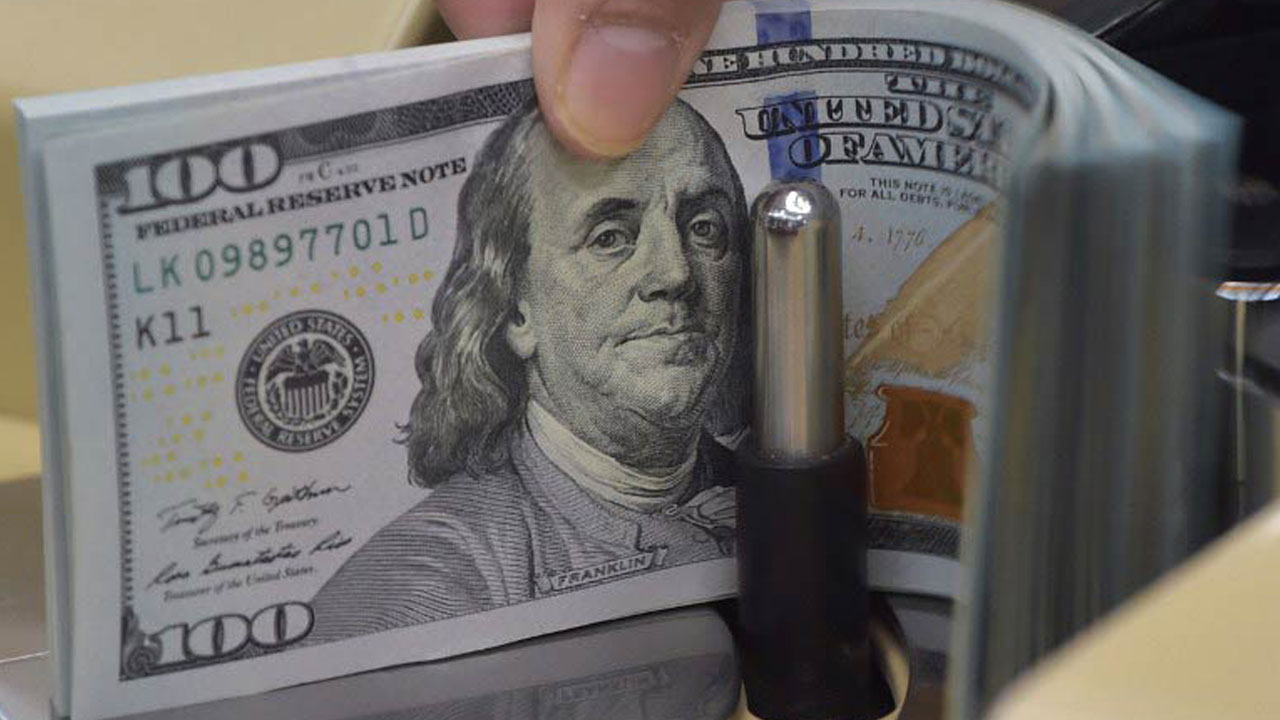
The Nigerian naira has demonstrated remarkable resilience in 2026, trading within a relatively narrow range and holding steady around N1,370 per US dollar in the official market, despite earlier volatility in 2024 and early 2025.
According to market analysts and institutional forecasts, the currency is expected to remain largely stable for the rest of the year, trading within a band of approximately N1,350 to N1,520 per dollar, with potential for further modest appreciation if current positive trends continue.
Strong Reserves and Policy Support
A major factor behind the naira’s steadiness is the significant build-up in Nigeria’s external reserves, which have risen to around $51 billion. This gives the Central Bank of Nigeria (CBN) greater capacity to intervene effectively and shield the currency from speculative attacks.
The CBN’s hawkish monetary policy stance, with the Monetary Policy Rate held at 26.67%, has also played a key role. While high interest rates have limited domestic credit growth, they have attracted foreign portfolio inflows into high-yielding naira assets, helping to support the currency.
Inflation Easing, Growth Outlook Positive
Inflation has moderated from its earlier peaks above 30%, with major institutions projecting an average of between 15% and 23.8% for the year. This cooling of price pressures, combined with more stable exchange rates, is easing cost-push inflation and supporting household confidence.
Nigeria’s GDP growth is also showing signs of recovery, with projections ranging between 4.0% and 4.4%, backed by improved crude oil production averaging around 1.48 million barrels per day.
Global Factors at Play
The naira’s performance has been helped by a relatively stable global environment, although the US Dollar Index has remained firm around 101. Recent US labour market data showing weaker job gains has slightly reduced expectations for aggressive Federal Reserve rate hikes, providing some breathing room for emerging market currencies.
Analysts believe that sustained oil revenues, continued CBN reforms, and improved global risk appetite for frontier markets could further bolster the naira in the second half of the year.
While short-term volatility remains possible due to external shocks, the combination of stronger reserves, disciplined monetary policy, and rising oil output has created a more stable foundation for the naira in 2026 compared to previous years.