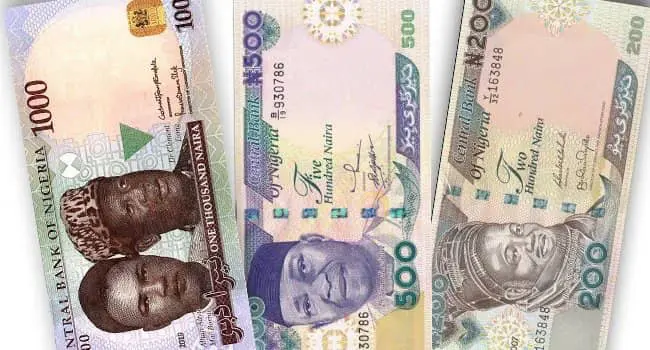
The Nigerian naira is experiencing a significant rebound, driven by a combination of robust economic reforms, growing foreign exchange reserves, and a marked decline in speculative trading, according to financial experts and market analysts.
The naira, long plagued by volatility and discrepancies between official and parallel market rates, is showing signs of stabilization. On the parallel market, the naira has recently traded at approximately N1,460 to the dollar, while the official rate stands at N1,475, marking its strongest performance in 2025. This narrowing gap between the two markets signals improved market alignment, largely attributed to strategic reforms implemented by the Central Bank of Nigeria (CBN) under Governor Olayemi Cardoso.
Central Bank Reforms Drive Confidence
Since taking office in October 2023, Cardoso has spearheaded transformative policies aimed at restoring stability to Nigeria’s foreign exchange market. Key initiatives include unifying multiple exchange rates, clearing a backlog of over $7 billion in foreign exchange obligations, and enhancing liquidity through inflows from international oil companies and foreign portfolio investors. These measures have significantly reduced market distortions and curbed speculative activities that once fueled sharp currency depreciation.
The CBN has also introduced the Nigeria Foreign Exchange Code, a framework designed to enforce ethical standards, transparency, and accountability in forex transactions. According to Aminu Gwadabe, President of the Association of Bureaux De Change Operators of Nigeria, this code has been pivotal in reshaping the market. It establishes clear guidelines for financial institutions and imposes strict penalties for non-compliance under existing banking regulations.
Additionally, the Electronic Foreign Exchange Matching System (EFEMS) has been rolled out to provide real-time data on currency rates and trading volumes, further enhancing transparency and reducing opportunities for speculation. The removal of a 2015 restriction on 41 items previously barred from accessing foreign exchange has also opened new avenues for businesses, boosting investor confidence.
Rising Reserves and Investor Interest
Nigeria’s external reserves have climbed to $43.05 billion as of September 2025, up from $40.51 billion in July, providing an import cover of over eight months—well above the global benchmark of three months. This growth has bolstered market confidence and attracted renewed interest from foreign investors, who had previously shunned Nigeria due to economic uncertainties. Steady oil exports and growing diaspora remittances have further supported these inflows, with Nigeria recording a current account surplus of $5.28 billion in the second quarter of 2025.
The CBN has also launched initiatives targeting diaspora Nigerians, including the Non-Resident Nigerian Ordinary Account and the Non-Resident Nigerian Investment Account. These accounts facilitate seamless remittances and provide investment opportunities in Nigeria’s financial markets, allowing conversions between naira and foreign currencies at market rates.
Speculators Face Losses
The tightening exchange rate gap has dealt a blow to speculative traders. Lagos-based Bureau de Change operator Garuba Sarki noted that some traders have sold dollars at a loss as the naira strengthens. “The market is no longer favorable for speculation,” Sarki said, attributing the shift to increased dollar inflows and CBN’s proactive measures.
Analysts at Commercio Partners echo this sentiment, pointing to stronger demand for the naira, reduced speculative activity, and improved reserves as key drivers of the currency’s rally. “Unlike past short-lived gains, this rally is underpinned by solid fundamentals,” said Ifeanyi Ubah, Head of Research at Commercio Partners.
Challenges Ahead
Despite the progress, experts caution that sustaining the naira’s gains will require continued macroeconomic discipline. Increasing crude oil production, diversifying export earnings beyond oil, and maintaining fiscal and monetary stability are critical to long-term success. Inflationary pressures also remain a concern, necessitating vigilant policy measures.
Cardoso has emphasized the CBN’s commitment to sustaining these reforms, noting that the unification of exchange rates and the clearing of backlogs have restored confidence among businesses, from manufacturers to airlines. “Our reforms are enabling businesses to plan and invest with greater certainty,” he said.
A New Era for the Naira
The naira’s resurgence marks a turning point for Nigeria’s economy, long burdened by currency volatility and economic dependence on oil. With rising reserves, declining speculation, and a transparent forex framework, the naira is regaining its status as a symbol of national pride. As Nigeria continues to diversify its economy and strengthen its financial systems, the currency’s newfound stability offers hope for a more resilient economic future.