RateCaptain
  • Home
    • About Us
    • Contact Us
  • FX Rates
  • Money Market
  • Cryptocurrency
  • Commodities
  • Corporates
No Result
View All Result
Subscribe
  • Home
    • About Us
    • Contact Us
  • FX Rates
  • Money Market
  • Cryptocurrency
  • Commodities
  • Corporates
No Result
View All Result
RateCaptain
No Result
View All Result
Home Economy

Nigeria’s Trade Standing Amid Trump’s Tariff Policies

Stephen Akudike by Stephen Akudike
February 3, 2025
in Economy
Reading Time: 2 mins read
A A
0

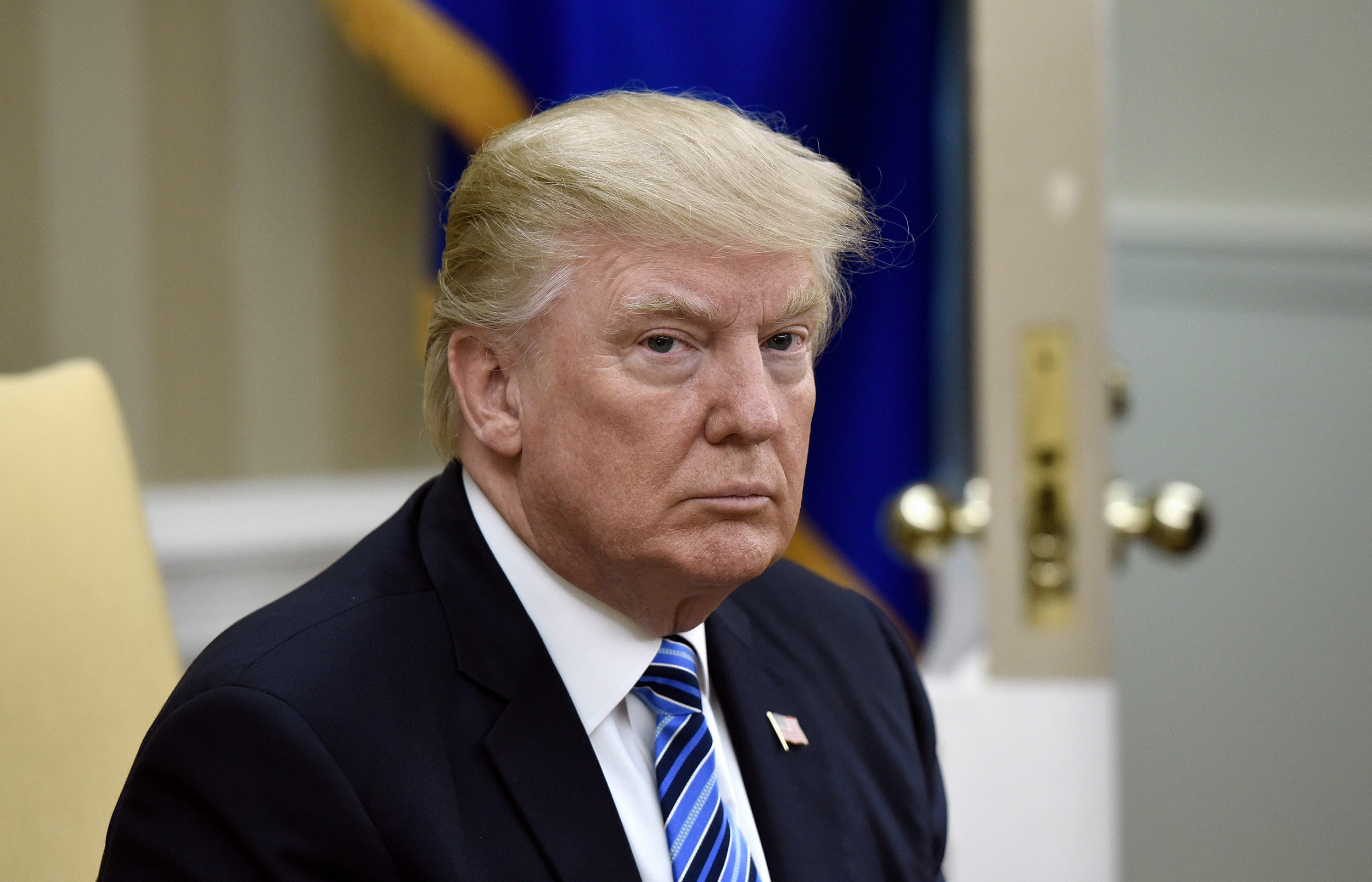
WASHINGTON, DC - JUNE 30: (AFP OUT) U.S President Donald Trump looks on during a meeting with South Korean President Moon Jae-in in the Oval Office of the White House on June 30, 2017 in Washington, DC. President Trump and President Moon will hold an Oval Office meeting and then give joint statements in the Rose Garden. (Photo by Olivier Douliery - Pool/Getty Images)

Share on FacebookShare on TwitterShare on WhatsappShare on Telegram

In a major shift in global trade policy, U.S. President Donald Trump has imposed steep tariffs on imports from Canada, Mexico, and China, citing concerns over illegal immigration and drug trafficking. While Nigeria is not directly affected by these measures, its trade relationship with the U.S. remains a crucial aspect of its economic strategy.

Trump’s Tariff Decision and Global Reactions

Effective February 4, 2025, the U.S. will implement a 25% tariff on all goods from Canada and Mexico and a 10% tariff on Canadian oil and Chinese imports. This move has triggered strong responses, with Canada imposing reciprocal 25% tariffs on U.S. goods worth C$155 billion. Mexico and China have also hinted at similar countermeasures, potentially impacting industries such as electronics and textiles.

AlsoRead

EU Delists Nigeria from High-Risk Jurisdictions for Money Laundering and Terrorism Financing

Nigeria Still Imports 1.3 Billion Litres of Petrol in December Despite Dangote’s Growing Output

Nigeria Inflation Drops to 15.15% in December 2025

Nigeria’s Trade Position with the U.S.

Despite not being directly impacted, Nigeria remains one of 48 countries with a trade deficit against the U.S.. However, recent trade data indicates that Nigeria holds a trade surplus with the U.S., exporting more than it imports.

  • In 2024, Nigeria exported $5.29 billion worth of goods to the U.S. while importing $3.88 billion, leading to a $1.4 billion trade surplus.
  • In 2023, total trade between the two nations was $8.27 billion, with Nigeria maintaining a $3.1 billion trade surplus.
  • However, over the past decade, trade volumes have dropped by 73%, largely due to the U.S. reducing its crude oil imports from Nigeria.
  • In 2011, trade between both countries stood at $74 billion, with Nigeria enjoying a $14 billion surplus.
  • From 2005 to 2014, trade between the two nations totaled $281.7 billion, with Nigeria maintaining a massive $200.2 billion trade surplus.

While trade volumes have declined, the U.S. remains a critical trade partner for Nigeria, particularly in oil, agriculture, manufacturing, and entertainment. U.S. foreign direct investment (FDI) in Nigeria is largely concentrated in petroleum, mining, and wholesale trade.

Strategic Economic Adjustments for Nigeria

Nigeria continues to benefit from preferential trade agreements, such as the African Growth and Opportunity Act (AGOA), which allows duty-free access to U.S. markets for eligible African exports. However, analysts suggest that Nigeria should adopt a “Nigeria-First” approach to re-evaluate its trade strategy.

Economic experts believe that restoring pre-2020 trade levels with the U.S. could significantly strengthen foreign exchange inflows, bolster the naira, and drive job creation.

In response to Trump’s economic policies, Nigeria’s Minister of Industry, Trade, and Investment, Mrs. Jumoke Oduwole, assured that Nigeria is not alarmed by the U.S. tariff measures. Meanwhile, Sunday Dare, Special Adviser to President Tinubu, emphasized the need for Nigeria to prioritize its national interests amid shifting global trade dynamics.

Looking Ahead

As the U.S. reshapes its trade policies, Nigeria must adapt by diversifying its exports, strengthening local industries, and negotiating better trade terms. The evolving situation presents both challenges and opportunities that could redefine Nigeria’s economic engagement with global markets.

Tags: Naira
Previous Post

Bento Co-founder Ebun Okubanjo Resigns, Company Faces Uncertain Future

Next Post

Mobile Money Transactions in Nigeria Soar to N71.5 Trillion in 2024

Related News

GDP in Euro Area Declines by 0.1%, While EU Records a Modest 0.1% Increase

EU Delists Nigeria from High-Risk Jurisdictions for Money Laundering and Terrorism Financing

by Jide Omodele
January 16, 2026
0

In a major diplomatic and economic win for Nigeria, the European Union has officially removed the country from its list...

Petrol Prices Surge in West Africa as Nigeria Removes Subsidies.

Nigeria Still Imports 1.3 Billion Litres of Petrol in December Despite Dangote’s Growing Output

by Stephen Akudike
January 16, 2026
0

Nigeria imported around 1.31 billion litres of petrol in December 2025, even as the Dangote Petroleum Refinery ramped up its...

Navigating Inflation Crossroads: Nigeria’s Economic Odyssey Amidst Global Trends

Nigeria Inflation Drops to 15.15% in December 2025

by Victoria Attah
January 16, 2026
0

Nigeria recorded a significant slowdown in headline inflation to 15.15% year-on-year in December 2025, the National Bureau of Statistics (NBS)...

Nigerian Equity Market Sees Impressive N1.08tn Wealth Gain Amidst Bullish Trading.

NGX Bulls Charge On: Market Capitalisation Surges N1.66 Trillion in Second Straight Day of Gains

by Stephen Akudike
January 14, 2026
0

The Nigerian stock market extended its winning streak into a second day on Tuesday, with total market capitalisation soaring by...

Next Post
POS operators hike charges on cash transactions.

Mobile Money Transactions in Nigeria Soar to N71.5 Trillion in 2024

Leave a Reply Cancel reply

Your email address will not be published. Required fields are marked *

Recommended

GDP in Euro Area Declines by 0.1%, While EU Records a Modest 0.1% Increase

EU Delists Nigeria from High-Risk Jurisdictions for Money Laundering and Terrorism Financing

January 16, 2026
Petrol Prices Surge in West Africa as Nigeria Removes Subsidies.

Nigeria Still Imports 1.3 Billion Litres of Petrol in December Despite Dangote’s Growing Output

January 16, 2026

Popular Story

  • Petrol Prices Surge in West Africa as Nigeria Removes Subsidies.

    Nigeria Still Imports 1.3 Billion Litres of Petrol in December Despite Dangote’s Growing Output

    0 shares
    Share 0 Tweet 0
  • EU Delists Nigeria from High-Risk Jurisdictions for Money Laundering and Terrorism Financing

    0 shares
    Share 0 Tweet 0
  • Nigeria Inflation Drops to 15.15% in December 2025

    0 shares
    Share 0 Tweet 0
  • Guinness Nigeria Plc Records N5.233bn Loss due to Forex Expenses in 2023

    0 shares
    Share 0 Tweet 0
  • Naira Starts 2026 Stronger: Up 0.8% Against Dollar as Reserves Hit $45.77 Billion

    0 shares
    Share 0 Tweet 0
RateCaptain

RateCaptain

We bring you the most accurate in new and market data. Check our landing page for details.

  • Home
  • About Us
  • Privacy Policy
  • Terms & Conditions
  • Disclaimer
  • Cookie Policy
  • Contact Us

Copyright © 2022 RateCaptain - All rights reserved by RateCaptain.

No Result
View All Result
  • Home
    • About Us
    • Contact Us
  • FX Rates
  • Money Market
  • Cryptocurrency
  • Commodities
  • Corporates

Copyright © 2022 RateCaptain - All rights reserved by RateCaptain.

RateCaptain
Manage Cookie Consent
To provide the best experiences, we use technologies like cookies to store and/or access device information. Consenting to these technologies will allow us to process data such as browsing behavior or unique IDs on this site. Not consenting or withdrawing consent, may adversely affect certain features and functions.
Functional Always active
The technical storage or access is strictly necessary for the legitimate purpose of enabling the use of a specific service explicitly requested by the subscriber or user, or for the sole purpose of carrying out the transmission of a communication over an electronic communications network.
Preferences
The technical storage or access is necessary for the legitimate purpose of storing preferences that are not requested by the subscriber or user.
Statistics
The technical storage or access that is used exclusively for statistical purposes. The technical storage or access that is used exclusively for anonymous statistical purposes. Without a subpoena, voluntary compliance on the part of your Internet Service Provider, or additional records from a third party, information stored or retrieved for this purpose alone cannot usually be used to identify you.
Marketing
The technical storage or access is required to create user profiles to send advertising, or to track the user on a website or across several websites for similar marketing purposes.
  • Manage options
  • Manage services
  • Manage {vendor_count} vendors
  • Read more about these purposes
View preferences
  • {title}
  • {title}
  • {title}
?>