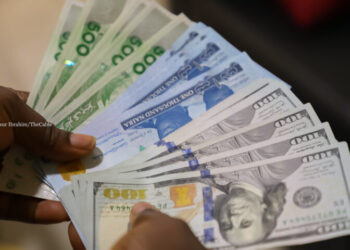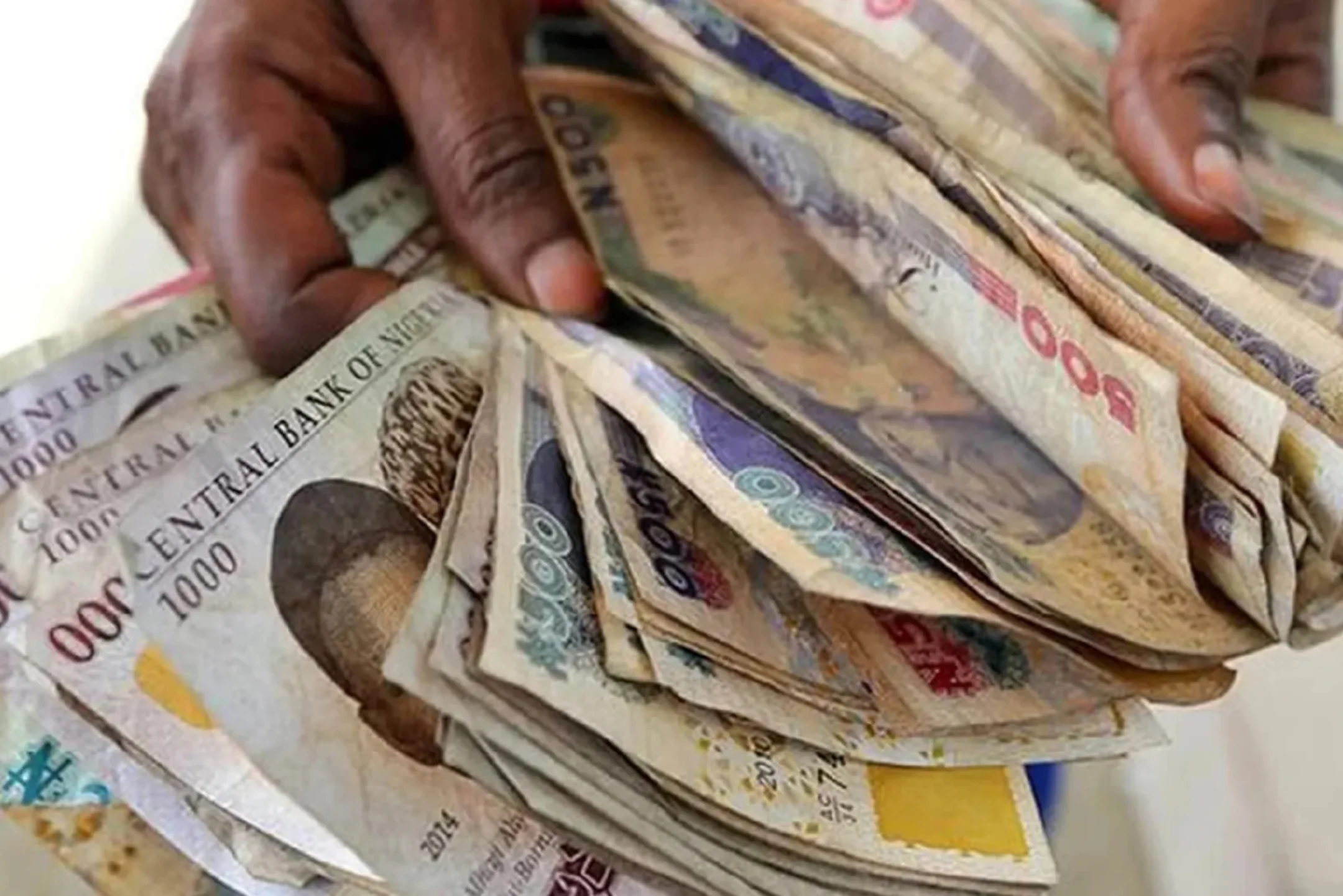
Nigeria’s naira currency marked a significant milestone last week, climbing 0.72%—equivalent to N10.5—to settle at N1,455.17 per U.S. dollar in the official market, according to figures released by the Central Bank of Nigeria (CBN). This marks the naira’s most robust level since December 2024.
Market observers attribute the currency’s upward trajectory to a surge in foreign exchange (FX) inflows, primarily from portfolio investments and overseas remittances. These developments have injected much-needed liquidity into the system, easing pressures on the local unit.
In the informal parallel market, the naira also posted gains, appreciating by 0.88% to reach N1,475 per dollar. This parallel improvement underscores broader enhancements in overall market liquidity.
The week’s trading sessions were somewhat volatile. The market kicked off with downward pressure, triggered by outflows from foreign portfolio investors (FPIs) that sparked initial demand spikes. By midweek, however, sentiment turned bullish, fueled by substantial inbound foreign funds—especially FPIs acquiring naira to settle domestic fixed-income commitments.
Looking ahead, AIICO Capital’s weekly forecast suggests the naira will hold steady in the coming days, bolstered by enhanced U.S. dollar availability and bolstering national reserves.
Echoing this optimism, Cowry Assets Management highlighted in its FX market analysis that the recent uptick stemmed from amplified foreign inflows, which have alleviated demand-side strains. The firm projects continued stability for the naira, underpinned by consistent FX arrivals and CBN support measures. That said, it cautioned that escalating import needs or dips in dollar inflows might temper additional advances. On the commodity front, oil prices could face headwinds from oversupply, though any uptick in worldwide demand might bolster Nigeria’s revenue streams, fostering a more secure FX environment. Still, fluctuations in global energy markets could temper investor confidence.
Complementing these trends, Nigeria’s foreign exchange reserves swelled to $42.57 billion, propelled by revenues from petroleum exports, diaspora transfers, and investment portfolios. This accumulation equips the CBN with greater flexibility to counter immediate FX challenges and reinforces projections for sustained naira equilibrium.
Adding to the positive momentum, global benchmark provider FTSE Russell included Nigeria on its September 2025 semi-annual watch list for equities and bonds during its country classification review. This step signals a potential shift from “Unclassified” to “Frontier Market” designation, as the nation now satisfies all five essential FTSE Quality of Markets standards.
The move reverses Nigeria’s downgrade to unclassified status in September 2023, which stemmed from prolonged hurdles in repatriating investor capital and processing FX deals. Recent regulatory adjustments have since streamlined liquidity, with stakeholders noting minimal bottlenecks—a key factor in FTSE Russell’s reassessment. Placement on the watch list initiates a structured monitoring phase, involving dialogue with market players, ahead of a possible elevation in the March 2026 annual evaluation.
Analysts at Meristem Securities view this as a game-changer, placing Nigeria squarely back in the sights of international investment vehicles tied to FTSE benchmarks. They anticipate active strategies from funds gearing up for gains prior to official inclusion, alongside preparations from index-trackers for required holdings. Such dynamics could usher in substantial FPI capital over the ensuing 12 months, directly aiding naira resilience by expanding dollar liquidity and promoting market steadiness.
In the immediate horizon, this development is poised to spark enthusiasm, potentially driving asset price increases. Yet, enduring benefits hinge on the government’s dedication to nurturing a truly market-oriented framework through this evaluative window.