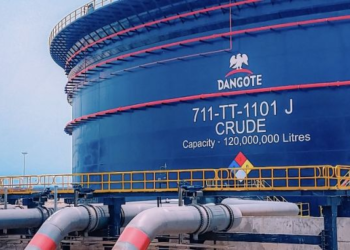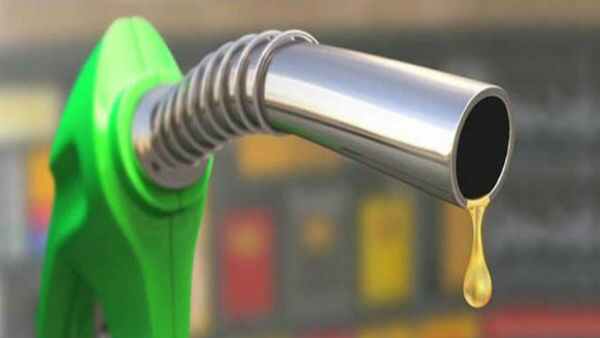
Nigeria imported around 1.31 billion litres of petrol in December 2025, even as the Dangote Petroleum Refinery ramped up its domestic supply to nearly 1 billion litres during the same month, according to the latest data from the Nigerian Midstream and Downstream Petroleum Regulatory Authority (NMDPRA).
The figures highlight the persistent gap between rising local production and national demand, particularly during the high-consumption Yuletide period. Total petrol supply reached 2.3 billion litres in December — up from 2.15 billion litres in November — with average daily availability climbing to 74.2 million litres per day. Imports accounted for 42.2 million litres daily, while Dangote contributed 32 million litres per day.
In contrast, November saw imports dominate at 1.57 billion litres (52.1 million litres per day), with Dangote supplying just 585 million litres (19.5 million litres per day). The NMDPRA attributed the high November import volumes to shortages in September and October 2025, when domestic output fell short of demand.
The Dangote refinery has steadily increased its market share since commencing petrol production in September 2024. In the second half of 2025, it consistently delivered over 50 million litres per day — and on some days more than 52 million litres — even while still ramping up certain units. On Wednesday, Managing Director David Bird announced that the facility has transitioned to full 24-hour operations, including night-time loading, to improve evacuation efficiency and handle over 1,000 trucks daily.
“We’re already doing nighttime loading. It’s a 24-hour operation,” Bird said during a press briefing at the Lekki complex. “We have celebrated over 50 million litres of offtake, which means over a thousand trucks progressing through the gate and gantry.”
Despite the refinery’s progress, imports remain substantial, prompting renewed criticism from Aliko Dangote. The industrialist has accused the former NMDPRA leadership of issuing “reckless licences” that undermine local production. He claimed the authority approved licences for about 7.5 billion litres of imports in the first quarter of 2026, even though the refinery has guaranteed sufficient supply.
To counter the import flood, Dangote slashed its ex-depot petrol price in December, dropping from around N900 to N739 per litre (with a gantry price of N699 per litre). The move, made at a loss to the refinery, aimed to keep pump prices affordable during the festive season and discourage reliance on imported fuel.
The price war has squeezed importers. According to the Major Energies Marketers Association of Nigeria (MEMAN), the landing cost of imported petrol fluctuated between N750 and N780 per litre in recent weeks — significantly higher than Dangote’s N699 ex-depot price — making it difficult for imported volumes to compete at filling stations, especially those supplied by MRS (which sources from Dangote).
The NMDPRA has defended the import licences, insisting they were necessary to bridge earlier supply gaps. However, with Dangote now operating at scale and expanding loading capacity, the balance is shifting toward greater domestic reliance.
For millions of Nigerians, the December numbers offer a mixed picture: more local petrol is reaching the market, prices have stabilised somewhat, but the country still depends heavily on imports — even as Africa’s largest refinery continues to prove its ability to meet a growing share of national demand. The coming months will test whether sustained 24-hour production and competitive pricing can finally tip the scales decisively in favour of made-in-Nigeria fuel.